
Last updated November 22, 2026
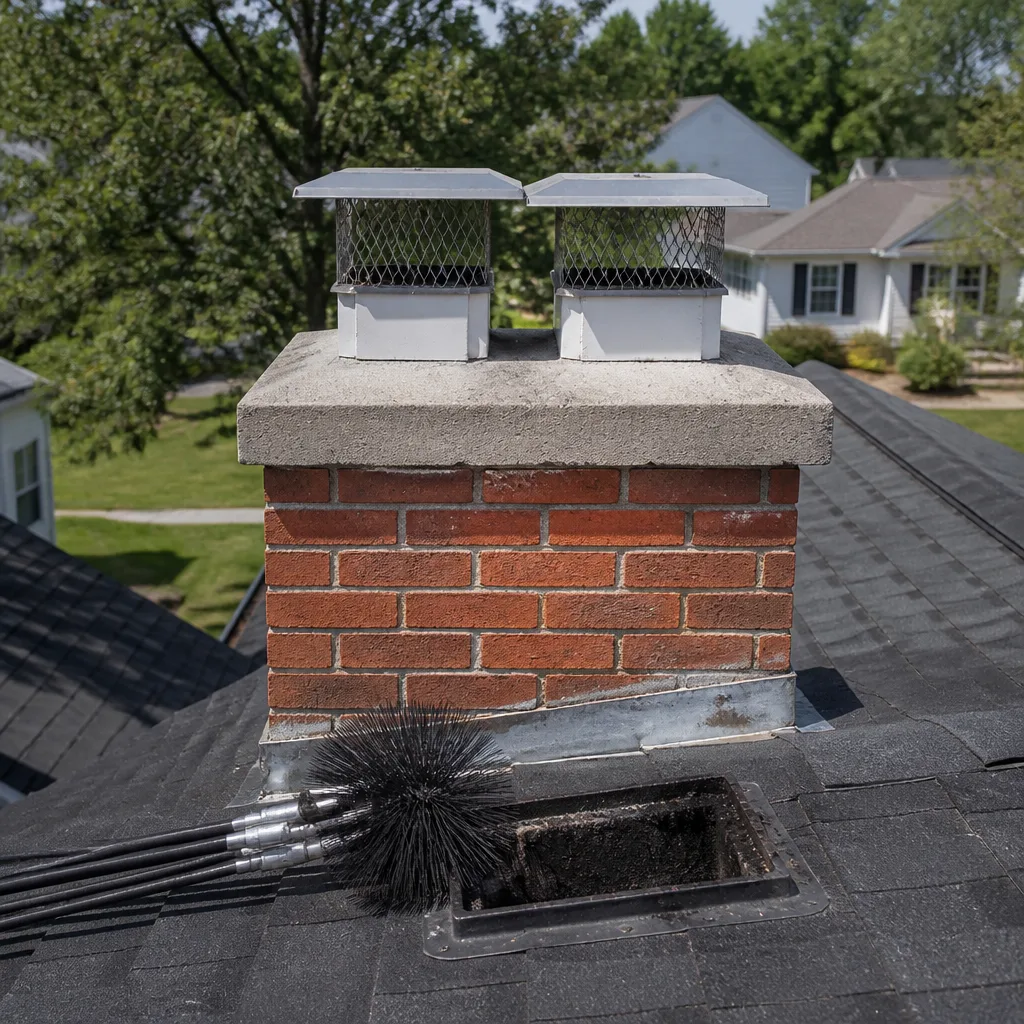 Sweep & inspection
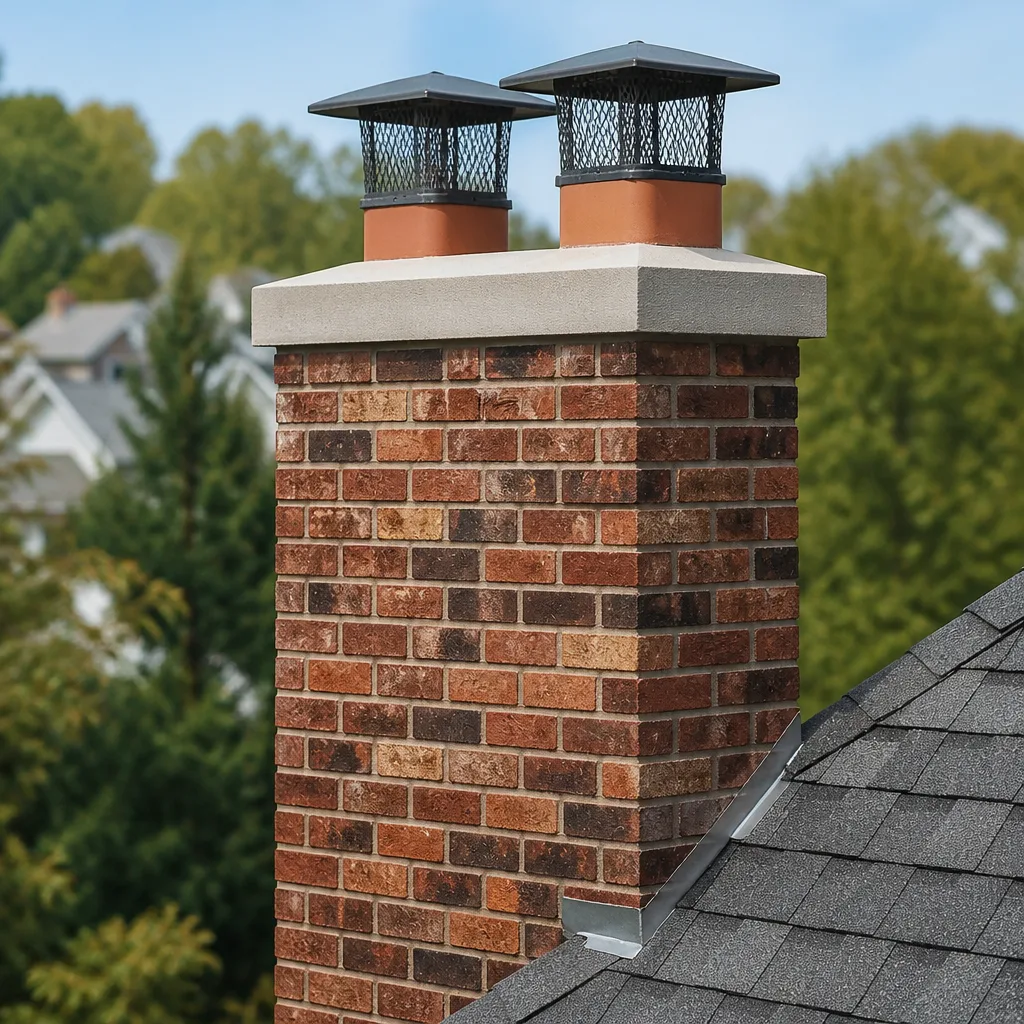 Caps & crowns
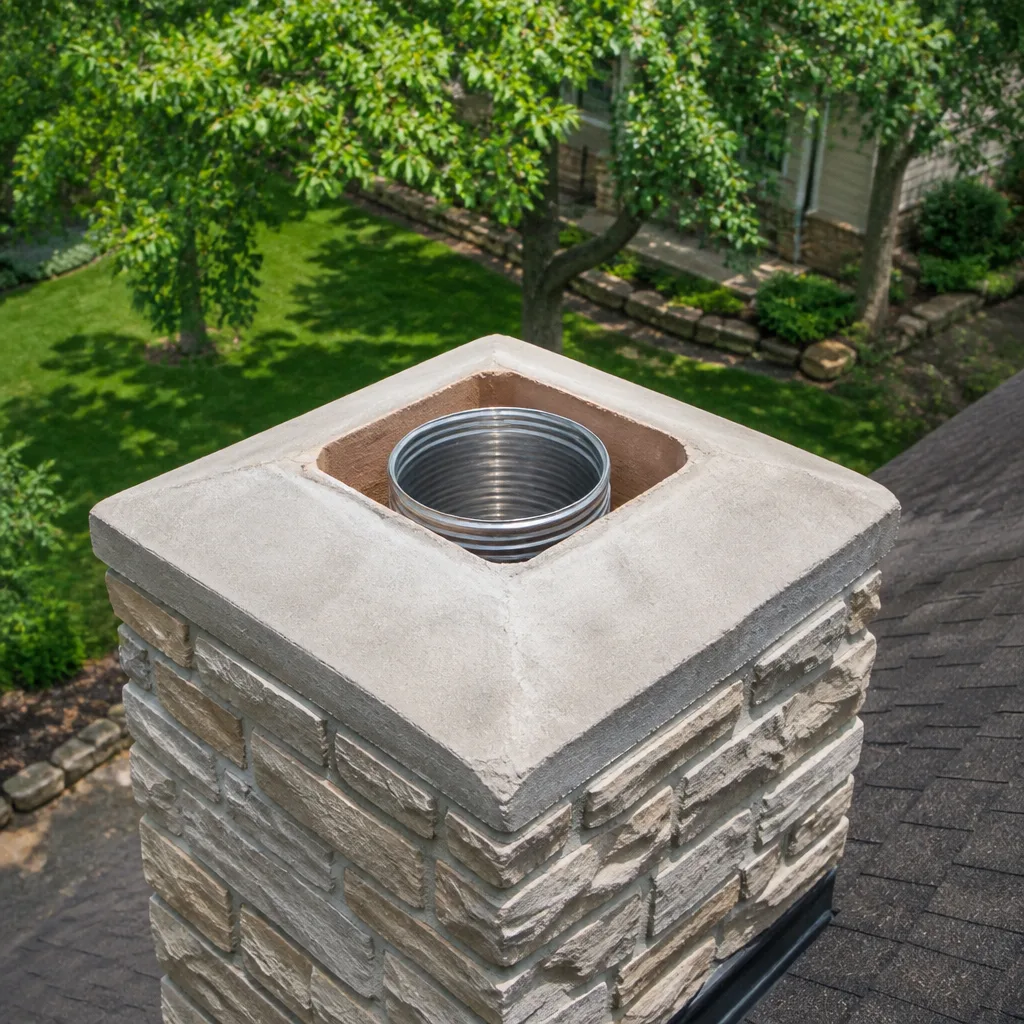 Flue relining
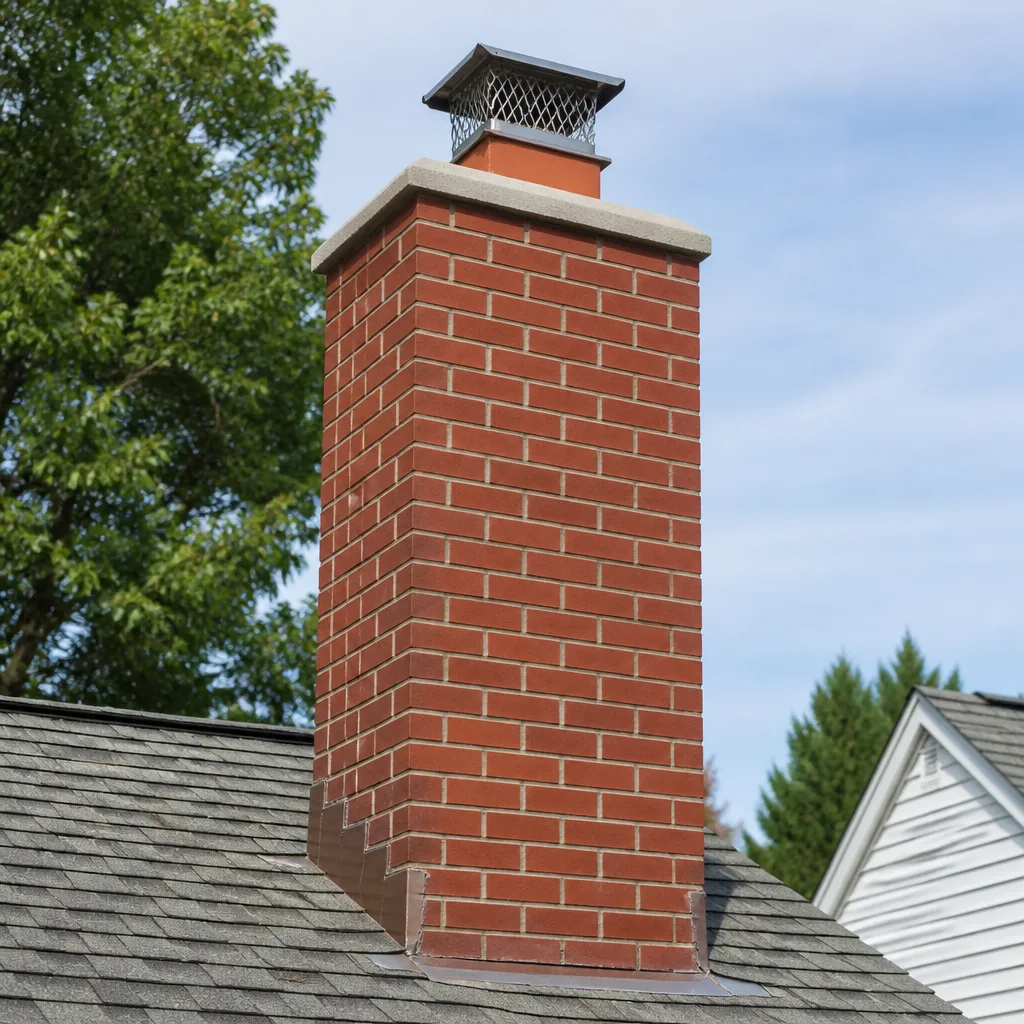 Masonry repair
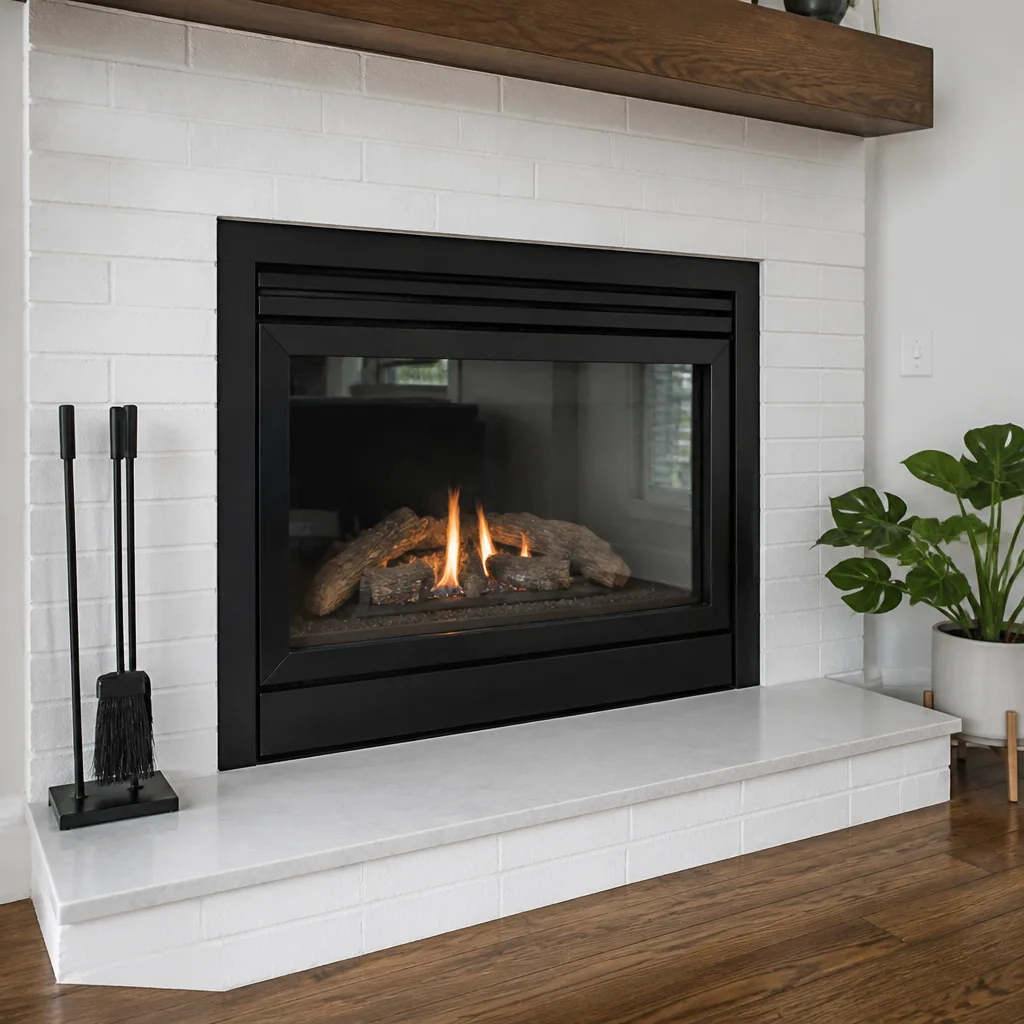 Gas fireplace service
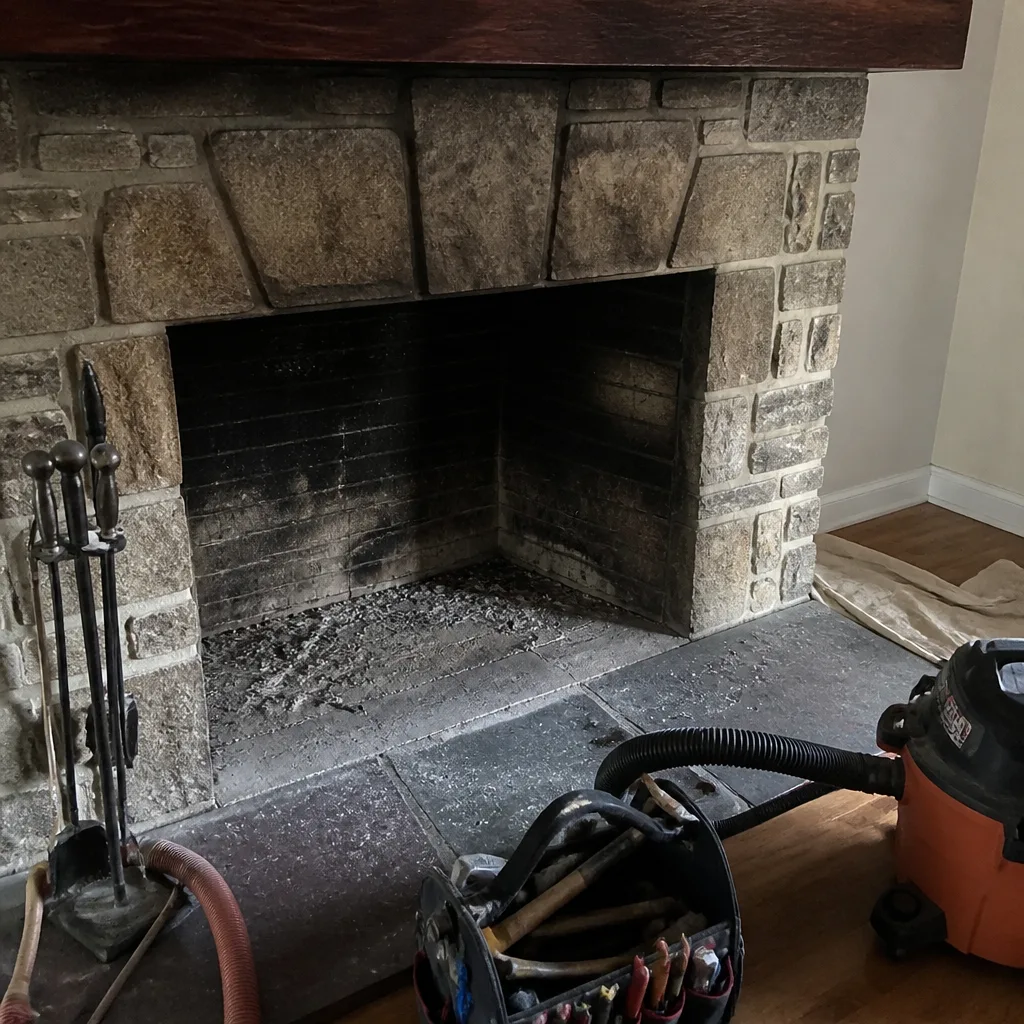
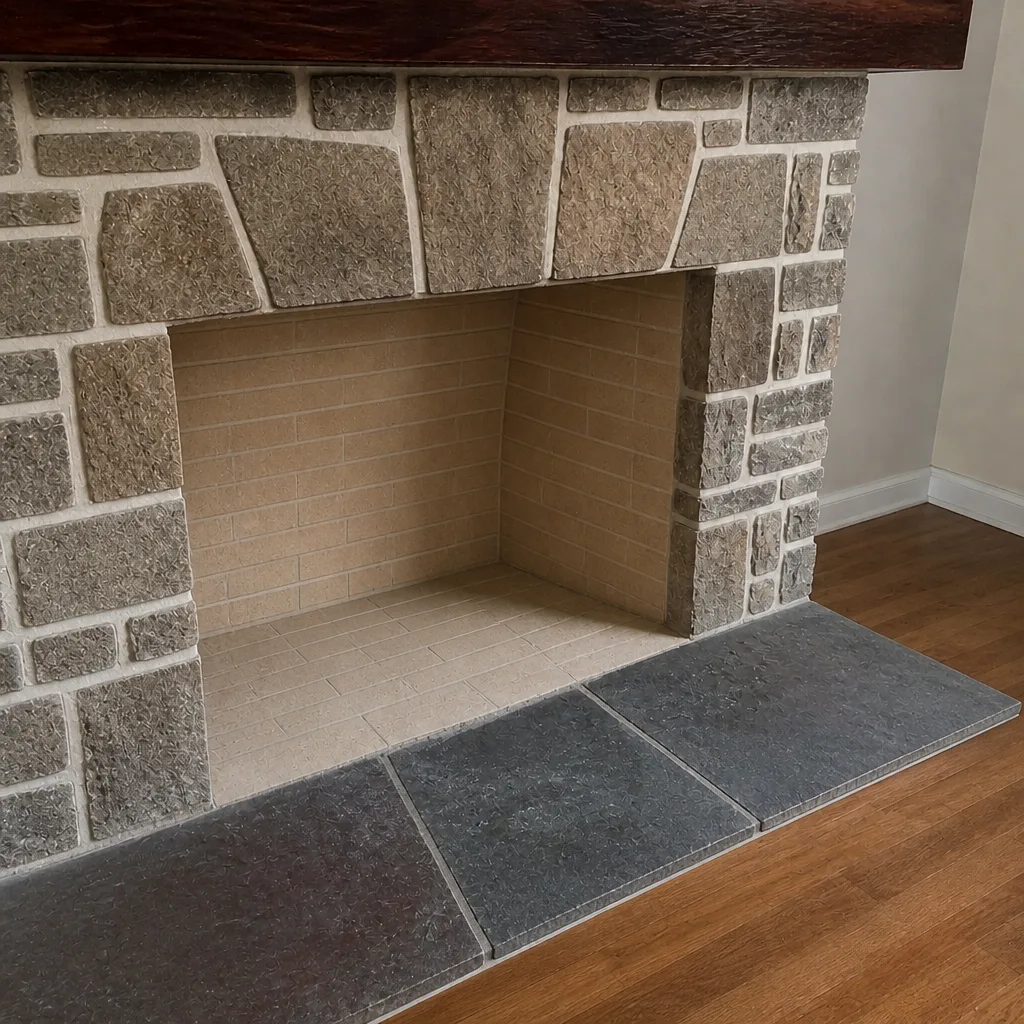
Level 1 sweep and inspection to the NFPA 211 annual standard - flue, crown, cap, and flashing checked and photographed
Chimney sweep logs do not sweep chimneys. They loosen some creosote - which then falls where a brush and vacuum still have to collect it.
Seasonal Chimney Cleaning Care for Fox Chase: Year-Round Homeowner’s Guide
The chimney problem most Fox Chase homeowners discover in October was actually created the previous February. That’s when freeze-thaw cycles worked water into a hairline crown crack, and every spring rain and humid summer day since has been feeding it. Fall inspection finds the damage; February weather caused it. Once you see chimney care that way, the annual single sweep stops making sense. Fox Chase’s four-season climate puts four distinct stresses on a chimney, and each one asks something different of you. This guide maps the right action to each season, so you’re maintaining a system all year instead of reacting to it once a year.
Quick Answer
Chimney care in Fox Chase works on a four-season cycle, not a single fall event. Winter is for monitoring draft, odor and smoke while the fireplace runs; spring is the best time for a post-season inspection that catches winter water damage; summer calls for an interior check of a capped, humid flue; and fall is for the pre-season sweep. Homeowners who act in all four windows catch crown cracks, liner deterioration and blockages before they turn into rebuilds.
Styles & brands we work with
- Sweep & inspection
- Caps & crowns
- Flue relining
- Masonry repair
- Gas fireplace service
Table of Contents
- Why a Single Fall Sweep Misses Most Chimney Damage
- Winter: What to Watch While the Fireplace Is Running
- Spring: The Post-Season Inspection Window
- Summer: Humidity, Capped Flues and Clay Tile Liners
- Fall: The Pre-Season Sweep and Inspection Sequence
- How Fox Chase’s Trees Change Your Seasonal Debris Load
- A Month-by-Month Chimney Care Calendar for Fox Chase
- Common Mistakes to Avoid
- When to Call a Professional
- Frequently Asked Questions
Why a Single Fall Sweep Misses Most Chimney Damage
A fall sweep is valuable, but it’s a snapshot. It tells you what your flue looks like on one day in one season. Chimney failures rarely happen that way. They build slowly across months, through water that enters in February, sits through a wet spring, gets warmed and humidified in summer, and only shows up as a stain, a smell or a draft problem the next heating season. When we inspect a Fox Chase chimney, we’re often reading a record of the whole previous year, not just the soot from last winter.
Here’s the core problem with the annual-event mindset: each season stresses a different part of the system, and each part fails in its own way.
- Winter stresses the firebox, damper and the hot side of the flue through active use and rapid heating and cooling.
- Spring stresses masonry and mortar, because repeated freeze-thaw at the top of the chimney opens joints and lets meltwater in.
- Summer stresses clay tile liners, where high humidity and trapped air interact with sulfur deposits left from winter fires.
- Fall stresses draft, as cool dense air, leaf debris and nesting material in or near the cap change how the chimney breathes.
A system that gets checked in all four windows is being inspected as a whole, season by season. That’s how you catch a crown crack in April before it becomes a saturated flue in July. It’s also how you know, honestly, when work can safely wait until next year instead of being pushed on you in a panic.
Winter: What to Watch While the Fireplace Is Running
Winter is active-use season, so it’s the time to observe, not to schedule major work. You’re gathering information. Three signals in particular tell you something has changed in the system, and each one deserves attention rather than a guess.
Draft changes
A fireplace that lit easily last year and now smokes at startup, or pulls weakly once the fire is going, is telling you the airflow has changed. That can be a partial blockage from a nest or leaf pack, a damper that’s not opening fully, or a flue that’s lost its smooth interior and is catching smoke on rough deposits. None of these fix themselves by burning hotter.
Odor shifts
A strong, acrid smell when the fire is burning, or a persistent smoky odor even when it’s out, points at creosote buildup or at moisture in the flue reacting with deposits. Odor that shows up on mild, damp days especially is worth noting for your spring inspection.
Smoke spillback
Smoke rolling out of the firebox into the room rather than going up the flue is the clearest signal. If it happens once on a cold, windy day it may be a pressure issue. If it happens repeatedly, stop using the fireplace and have the chimney looked at before your next fire. Smoke in the living room means the products of combustion aren’t leaving the house the way they should.
When any of these three appears together with a blocked or failed flue, carbon monoxide risk is real, because a chimney that can’t draft can’t carry exhaust out. That’s not a scare tactic, it’s the reason those signals get checked rather than ignored. If you’re in doubt mid-season, our chimney sweep visit will tell you what’s actually going on with a camera inspection and photo report. We answer 24/7 for the phone line, and fast dispatch from 7am to 7pm, Sunday through Friday.
Spring: The Post-Season Inspection Window
Spring is the best time of year to inspect a Fox Chase chimney, and most homeowners skip it. Two things make it ideal. First, the heating season just ended, so the flue holds the freshest evidence of how the system behaved under load all winter. Second, the inspection happens right as freeze-thaw is finishing its work on the crown and mortar, so water damage that started in February is visible before it spreads through spring and summer.
What we’re looking for in a spring inspection is water, in its many disguises:
- Efflorescence, the white powdery staining on masonry where water has moved through and evaporated, leaving mineral salts behind.
- Spalling, where the face of a brick flakes or pops off because moisture froze inside it over the winter.
- Soft or crumbly mortar joints, especially near the top of the chimney where freeze-thaw hits hardest.
- Rust staining on a damper or firebox components, a sign of chronic moisture rather than a one-time spill.
- A flue interior that sat wet, where clay tiles show chipping or a rough, eroded surface from repeated wetting and drying.
Spring is also the smart time to schedule because summer books fill up. A homeowner who calls in May gets their choice of timing; one who calls in August is often fitting around everyone else who waited. The work a spring inspection catches, like a deteriorated crown or a chimney cap & crown issue, can then get repaired in dry, mild weather instead of being rushed before the first cold snap. Repairs done in good conditions last longer than repairs done under pressure.
If the flue tiles have eroded but the structure is sound, resurfacing with HeatShield ceramic technology can restore a smooth interior without a full liner replacement. That’s a spring-friendly decision, made calmly, with camera evidence you can see for yourself.
Summer: Humidity, Capped Flues and Clay Tile Liners
An unused chimney in July is not a dormant chimney. Once the cap is on and the fireplace is cold, that flue becomes an enclosed, humid space, and humidity is not neutral inside a clay tile liner. Here’s the interaction that catches people out.
Winter fires leave behind creosote and, in some cases, sulfur-bearing deposits on the flue walls. Through spring and summer, high humidity and warm, still air let moisture condense on those deposits. Water plus those deposits creates an acidic environment against the clay tiles, and clay is porous. Over seasons, this shows up as pitting, flaking and a rough interior that grabs future creosote faster, which is a downward cycle: rougher flue, more buildup, worse draft, more moisture. A capped, unused flue is exactly where this happens quietly.
That’s the case for a summer interior check, and it’s why we don’t just clean and forget. A summer visit is quieter and more about diagnosing than reacting. It’s also when we can get an unobstructed camera view of the full flue run, since the winter soot load is gone.
DuraFlex flexible liner systems are one answer when a clay liner has gone beyond cleaning: a stainless liner that seals the interior and stops the moisture-deposit cycle in its tracks. Gelco products handle the masonry and crown side of water management. None of this is a summer sales pitch. It’s that summer is when you can afford the time to make an informed call, before fall demand compresses everyone’s schedule.
One more summer task: check that the cap is actually doing its job. A cap that’s rusted through, cockeyed or clogged isn’t keeping water out, it’s just sitting on top of the flue while rain finds its way in. Caps are a small fix with an outsized effect on how much water your chimney takes on all year.
Fall: The Pre-Season Sweep and Inspection Sequence
Fall is the season everyone remembers, and it should be. It’s your chance to get the system clean and confirmed before the first fire. But “it was swept” is not the same as “it’s ready”. Here’s the sequence we walk through, in order, on a fall visit.
- Clean the flue so the inspection is reading the chimney, not last winter’s soot. A chimney repair recommendation made on a dirty flue is a guess; on a clean flue, it’s based on what’s actually there.
- Camera-inspect the full flue run top to bottom, checking for cracks, gaps in clay tiles, offset joints and any blockage. The photo report is yours, so you see what we saw.
- Check the cap and crown for cracks, missing mortar and debris. A cracked crown is where fall rain enters, and a blocked cap mesh is where fall draft dies.
- Test the damper for full operation and a proper seal. A damper that won’t close all the way leaks heat all winter and leaks humid air into the house in summer.
- Confirm the firebox and smoke chamber are sound, with no gaps that let smoke bypass the flue.
- Review draft and clearances, and give you a plain account of what’s fine, what to watch, and what genuinely needs attention before first fire.
The value of the sequence is that each step informs the next. A sweep alone might clean a flue with a cracked tile that’s about to leak; the full sequence catches it. In our experience, most fall surprises in Fox Chase trace back to the previous spring and winter, not to anything that happened over the summer.
How Fox Chase’s Trees Change Your Seasonal Debris Load
Fox Chase’s tree cover is part of what makes the neighborhood feel the way it does, and it’s also a seasonal factor in chimney care that a generic guide won’t mention. Leaf and twig debris doesn’t just fall in October. It works in steps across the year, and the flue cap and rain cap take the brunt of it.
- Late fall delivers the heaviest leaf load, right as draft season begins. A clogged cap mesh at first fire is a common fall complaint.
- Late winter and early spring bring the smaller, wind-driven twigs and seed pods that wedges into cap mesh and gutter-level openings.
- Spring nesting season is when birds and small animals look for warm, dry, sheltered spots, and an uncapped or loosely capped flue is exactly that. Nesting material in a flue is a fire and draft hazard, and it’s the reason we inspect caps in spring, not just fall.
- Summer storms knock down branch debris that collects on crowns and behind caps, holding moisture against masonry.
So cap inspection timing matters here more than in a treeless suburb. A cap that’s clear in November can be blocked by April nesting attempts, and a cap that’s clear in April can load up by October. Two cap checks a year, spring and fall, cost far less than a rebuild after a blocked flue caused a problem. When we look at a Fox Chase cap, we’re checking mesh integrity, the cap’s fit and whether anything has taken up residence. If wildlife gets into an uncapped flue, that’s a Chimney Sweep Fox Chase matter before it’s a fireplace matter. (If you’re new to the area, it helps to know these seasonal patterns run on the four-season cycle, not a single annual event.)
A Month-by-Month Chimney Care Calendar for Fox Chase
Here’s a practical calendar you can put on the fridge. It’s not a rigid rulebook, but it captures the rhythm that keeps a Fox Chase chimney healthy across the year.
- January: Active use. Watch for draft changes, odor shifts and smoke spillback. Note anything unusual for the spring visit.
- February: Active use and freeze-thaw at the crown. The month that most often creates the damage found in spring.
- March: Post-season inspection window opens. Get on the schedule early before summer fills.
- April: Spring inspection and cap check. Watch for efflorescence, spalling and soft mortar.
- May: Repairs scheduled in mild, dry weather. Crown and cap work at its easiest.
- June: Summer interior check of the capped, unused flue. Camera view at its clearest.
- July: Humidity season. Confirm cap fit and look for signs of moisture against clay tiles.
- August: Book the fall sweep now. This is when fall calendars start filling.
- September: Pre-season sweep and full inspection sequence. Clean, inspect, confirm, review.
- October: First fires. Clear leaf debris from the cap; confirm draft on the first burn.
- November: Peak use begins. Monitor the same three winter signals.
- December: Active use. Keep an eye out for any change from the start of the season.
The takeaway: spring and fall are your two inspection points, summer is your quiet diagnosis window, and winter is observation. Four touchpoints, not one. That rhythm is what separates a chimney that lasts from one that keeps needing patched.
Common Mistakes to Avoid
- Treating the annual sweep as the whole job. A sweep cleans; it doesn’t diagnose across seasons. A chimney can be swept clean and still have a cracked crown taking on water all year.
- Skipping the spring inspection. Spring is when winter’s freeze-thaw damage becomes visible. Wait until fall and the same crack has had a whole spring and summer to spread.
- Ignoring a summer flue entirely. A capped, humid flue where sulfur deposits sit is quietly degrading a clay tile liner. Out of sight is not out of risk in Fox Chase’s humid summers.
- Assuming the cap is fine because it looks fine from the ground. Nesting material, rusty mesh and a loose fit don’t show up from the driveway. Cap checks need a proper look, spring and fall.
- Burning through a draft warning. Smoke spillback, persistent odor and weak draft are signals, not quirks. Burning hotter to force draft pushes a problem, it doesn’t solve it.
- Taking a fall sweep as a green light without the follow-ups. “It was swept” only tells you the flue was cleaned. Confirm the inspection, the cap, the crown and the damper too.
- Scheduling everything in October. Fall is when demand peaks. Booking the spring inspection and summer check early keeps you out of the crunch and lets repairs happen in good weather.
When to Call a Professional
Most chimney work can wait for the right season, but some situations shouldn’t. Call us if you see smoke spilling back into the room repeatedly, if there’s a strong or unfamiliar odor even when the fireplace is cold, or if your draft has clearly weakened since last season. Call if you spot spalling brick, crumbling mortar or white efflorescence on the chimney, because those mean water is moving through. Call if you’ve never had the flue inspected and don’t know its history, or if a cap is missing, loose or visibly rusted. And call if the flue has ever been blocked by a nest or debris.
Chimney Sweep Fox Chase offers free estimates in Fox Chase. We tell you what we found, what it means, and what fixing it actually involves, with a camera inspection and photo report included so nothing is recommended without evidence you can see. Call (844) 526-7704. We answer 24/7. Fast dispatch from 7am to 7pm, Sunday through Friday.
Frequently Asked Questions
At minimum once a year before the heating season, and more often if you burn heavily or notice draft or odor changes. Beyond the sweep, the four-season approach in this guide adds a spring inspection, a summer interior check and a fall cap check. Call (844) 526-7704 for an exact quote on a sweep and inspection – estimates are free.
Damage compounds quietly rather than all at once. A crown crack from February freeze-thaw lets water in all spring; clay tiles sit humid all summer; a cap loads with debris by fall. Each problem makes the next cheaper to prevent and more expensive to fix. The real risk is a flue that stops venting properly, which affects smoke and carbon monoxide removal. Call (844) 526-7704 to schedule an inspection before problems compound.
You need a new liner only when the existing one is genuinely compromised, and you should never have to take that on faith. We show you the camera footage and a photo report, and we’re clear about when a repair or resurfacing will do and when a full liner is the right call. When resurfacing fits, HeatShield ceramic technology can restore the flue interior without a full replacement. Call (844) 526-7704 and ask us to walk you through what’s actually there.
Spring is the best window because it follows the heating season and closes out freeze-thaw damage in one visit. You get the freshest read on how the system behaved all winter, and water damage from February is visible before spring and summer spread it. Summer books fill up, so scheduling in spring also gives you better timing. Call (844) 526-7704 to book a spring inspection.
Yes. A capped, unused flue becomes an enclosed, humid space, and moisture plus winter sulfur deposits against clay tiles can pit and erode the liner over seasons. This is exactly why a summer interior check is worth doing. Lamont, and it’s rarely visible from outside. Call (844) 526-7704 to schedule a summer interior check.
It does, and less predictably. Leaves arrive in a fall surge, twigs and seeds work their way in through late winter, and spring nesting season sends birds and animals toward warm, sheltered flues. That’s why cap inspection twice a year beats once. We check cap mesh, fit and any nesting material. Call (844) 526-7704 for a cap check.
The Bottom Line
Chimney care in Fox Chase runs on a four-season cycle, not a single fall sweep. Winter is for watching draft, odor and smoke. Spring is for the inspection that catches winter water damage while it’s still fresh. Summer is for the quiet interior check of a humid, capped flue. Fall is for the full sweep-and-inspect sequence before first fire. Treat it that way and you catch the crown crack and the failing liner early, instead of discovering them in October. Professional-grade materials and a straight account of what we found are what we bring to it. From your first sweep to a full rebuild, one company handles it. Call (844) 526-7704 for a free estimate on seasonal chimney care in Fox Chase.
Written by the team at Chimney Sweep Fox Chase.
See the difference
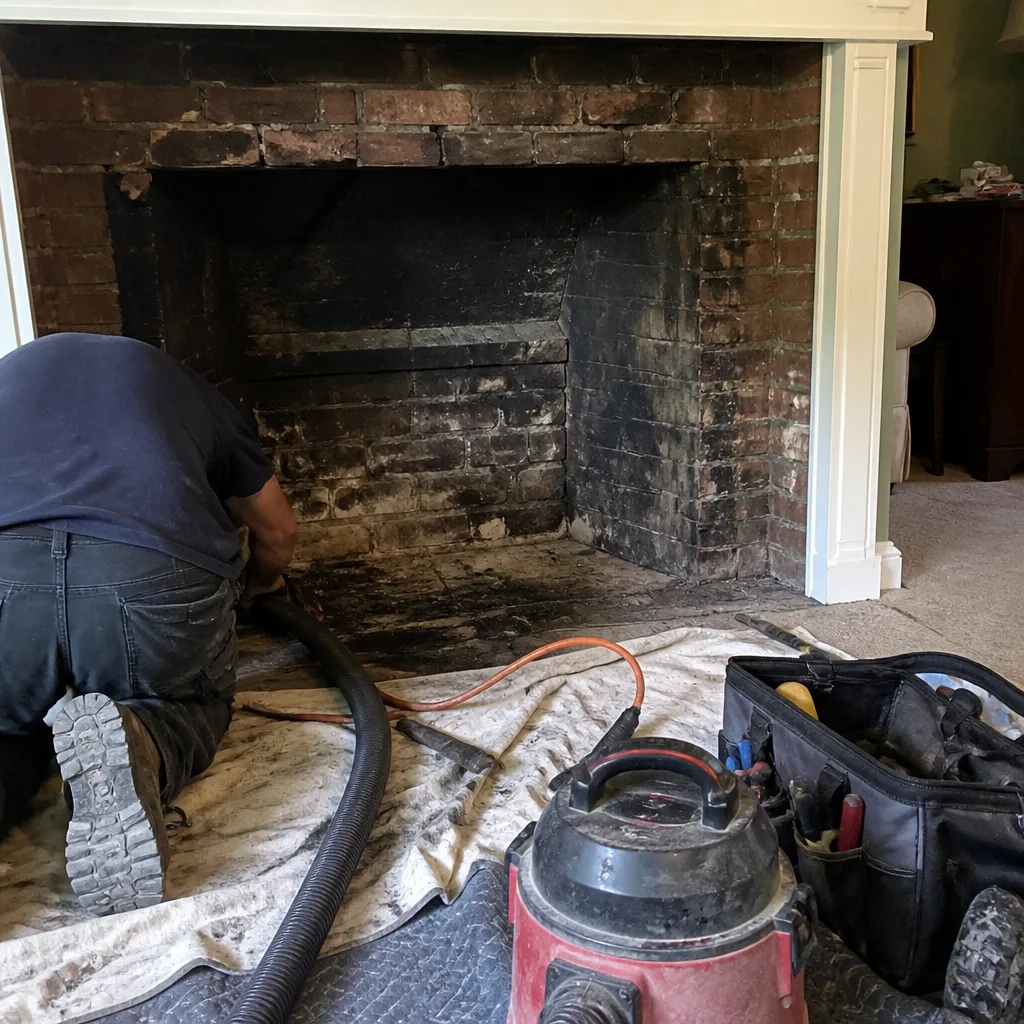 Before
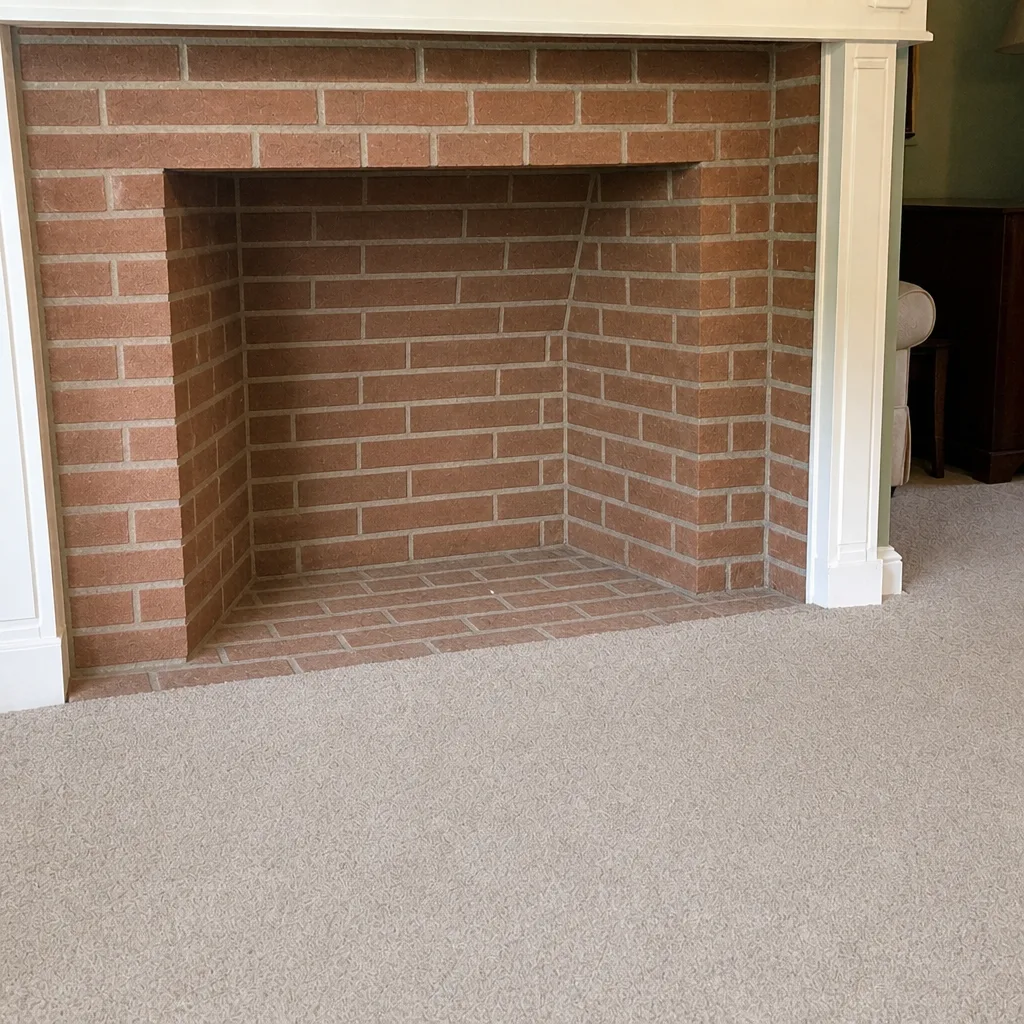 After
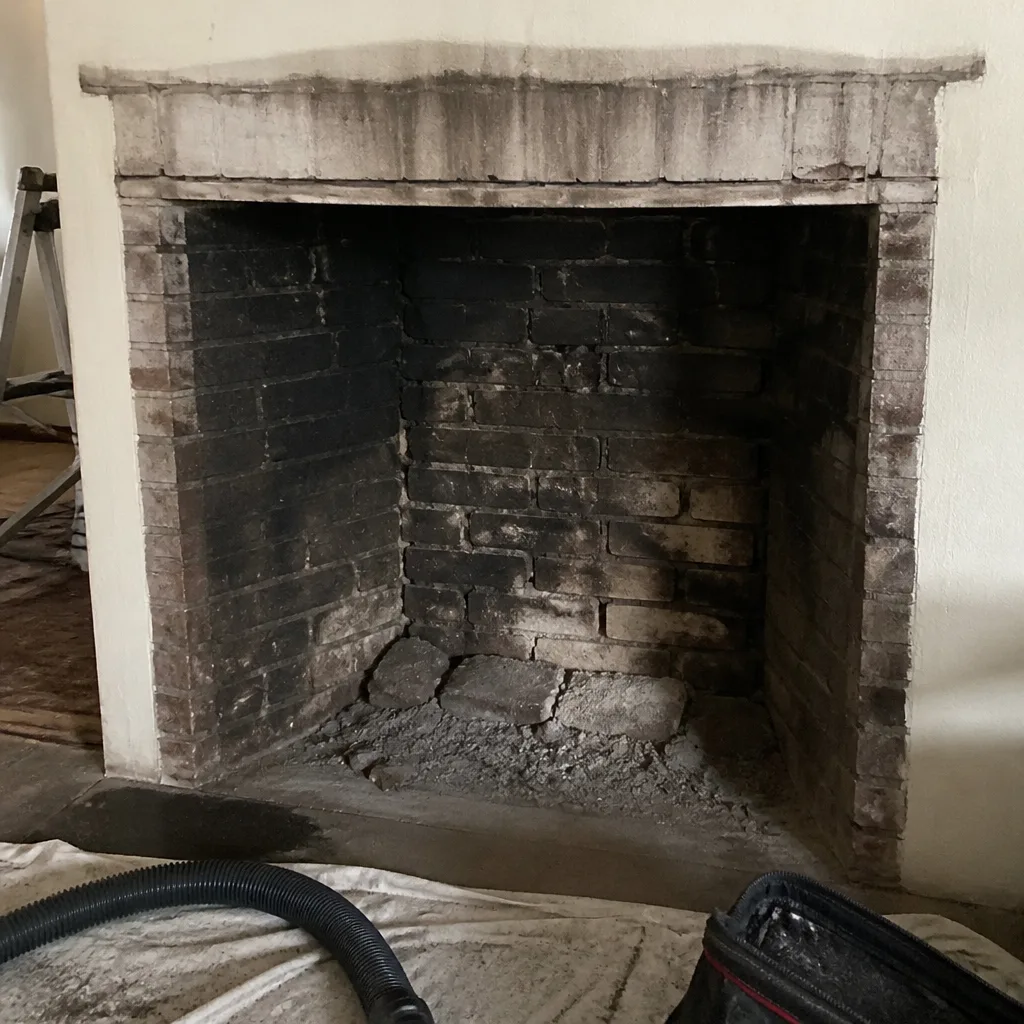 Before
 After
 Before
 After