
Last updated November 22, 2026
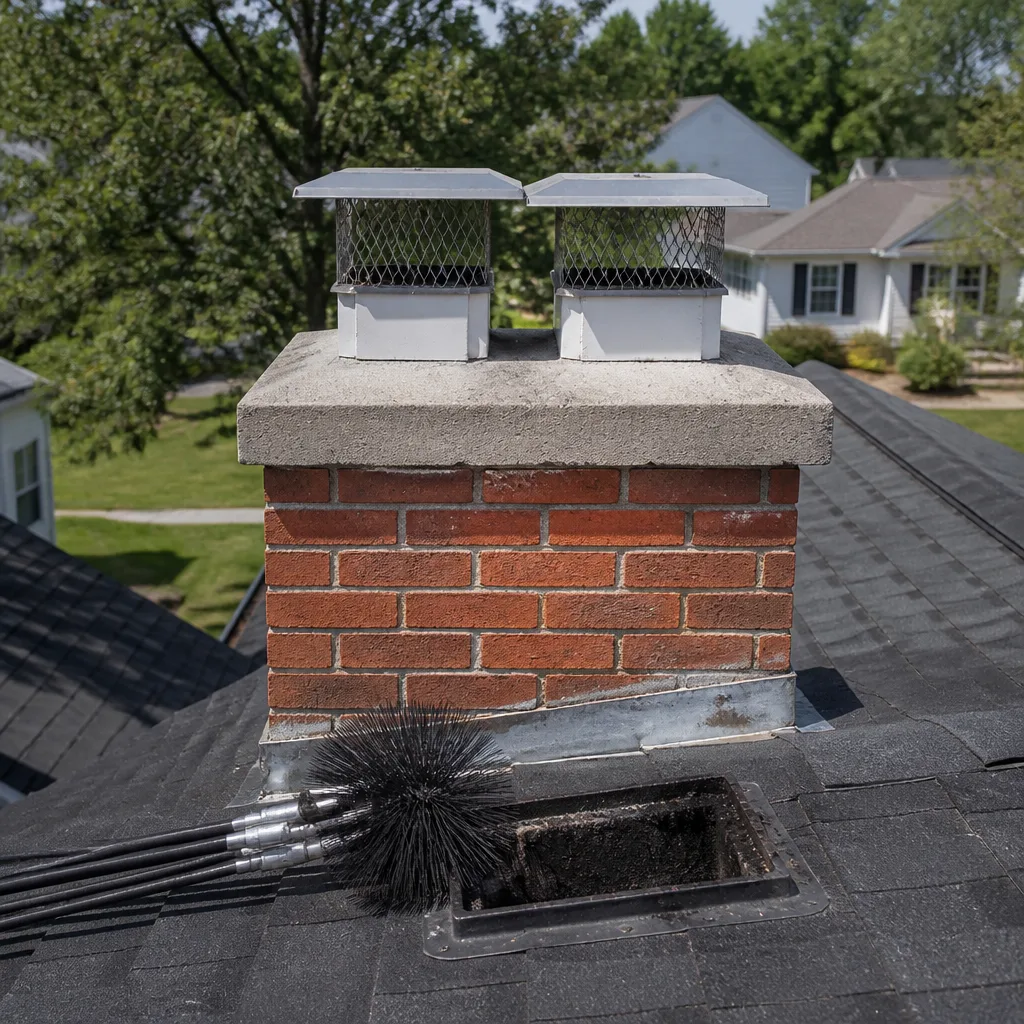 Sweep & inspection
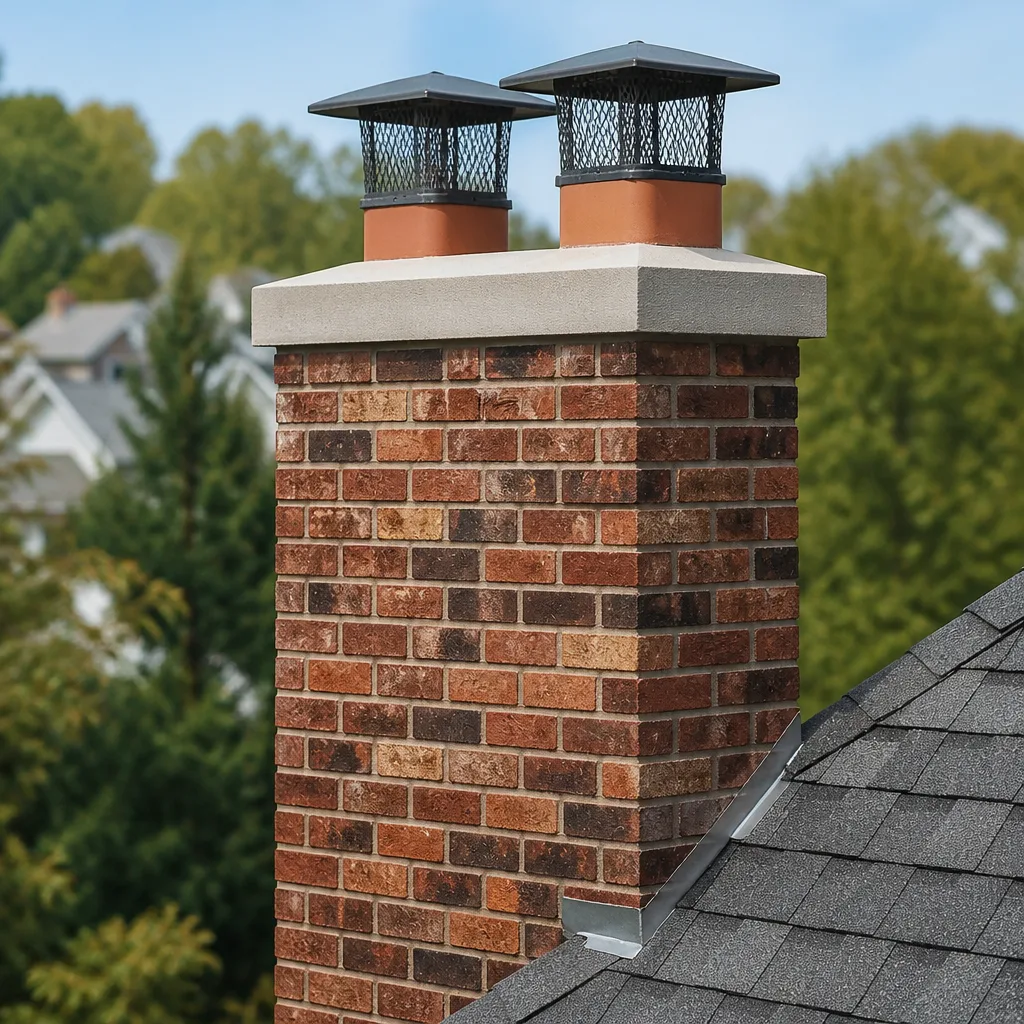 Caps & crowns
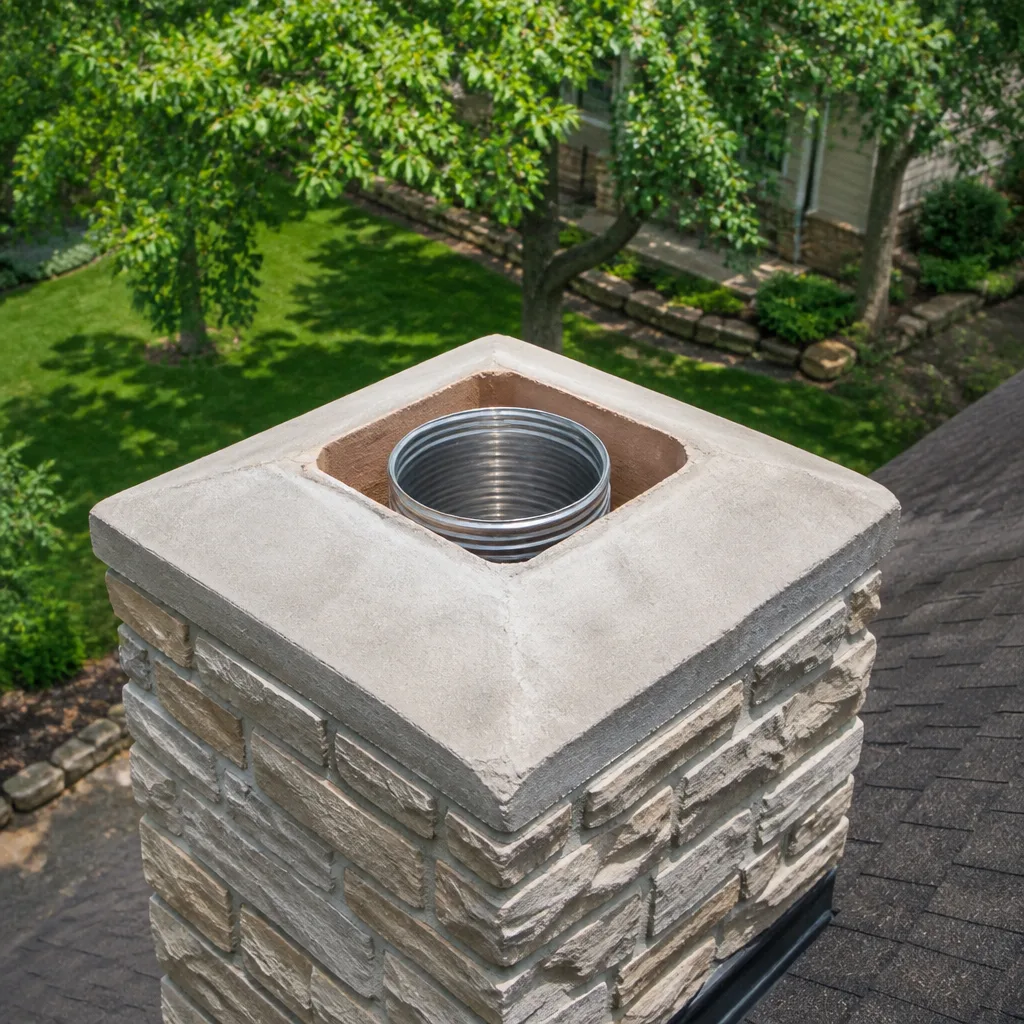 Flue relining
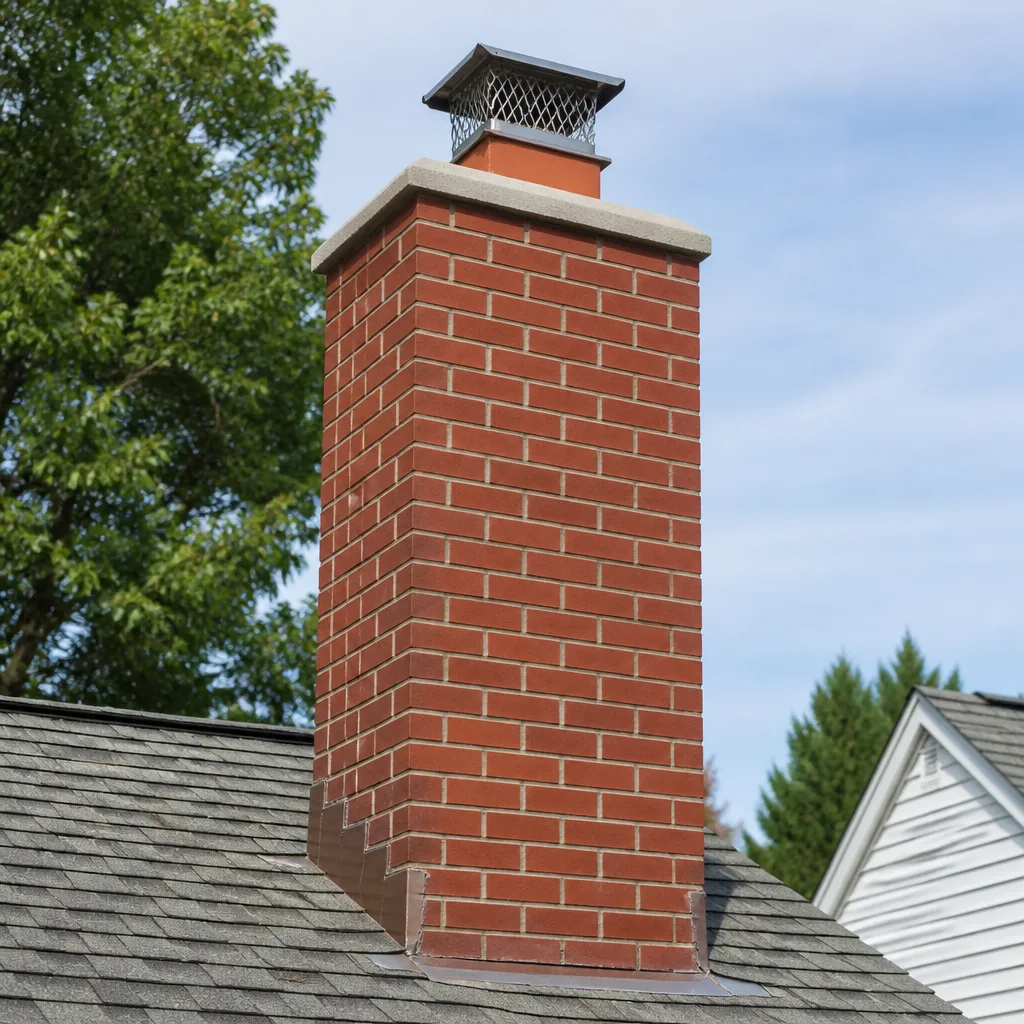 Masonry repair
 Gas fireplace service
Level 1 sweep and inspection to the NFPA 211 annual standard - flue, crown, cap, and flashing checked and photographed
Chimney sweep logs do not sweep chimneys. They loosen some creosote - which then falls where a brush and vacuum still have to collect it.
Chimney Cleaning Permits, Codes & Inspections in Fox Chase, PA: What You Need to Know
Chimney sweeping needs no permit. Repointing mortar joints usually doesn’t either. Installing a stainless steel liner does, and in Philadelphia County that distinction matters more than most homeowners expect. The line between maintenance and construction isn’t intuitive, and crossing it without a permit creates a disclosure problem that surfaces at closing. This guide walks through what the Pennsylvania Uniform Construction Code covers, how the city’s licensing and inspection process handles chimney work, why NFPA 211 is the standard inspectors keep referencing, and how Fox Chase’s older housing stock can push a routine repair into additional review. You’ll also learn what to do if a previous owner left you with unpermitted chimney work.
Quick Answer
Routine chimney cleaning in Fox Chase never requires a permit. Chimney repairs generally fall under the Pennsylvania Uniform Construction Code when they change the structure or the flue system, so a liner installation, a rebuild, or exterior work that alters the chimney’s visible profile typically needs a permit through Philadelphia’s Department of Licenses and Inspections. Repointing, cap replacement, and sweeping are ordinarily treated as maintenance and stay outside permit scope.
Styles & brands we work with
- Sweep & inspection
- Caps & crowns
- Flue relining
- Masonry repair
- Gas fireplace service
Table of Contents
- Where the Permit Line Actually Falls in Fox Chase
- The Pennsylvania Uniform Construction Code and Chimney Repairs
- Philadelphia L&I: Liner Permits and What a Rough-In Inspection Means
- NFPA 211: The Standard Behind Every Inspection
- Fox Chase Housing Stock and When Historic Review Kicks In
- What to Do About Unpermitted Work From a Previous Owner
- What a Chimney Inspection Covers and How Often You Need One
- Keeping Records That Protect You at Resale
Where the Permit Line Actually Falls in Fox Chase
The line between chimney maintenance and permitted construction breaks along one question: does the work change the structure or the flue system itself? Sweeping removes creosote. Repointing refreshes mortar between existing bricks. Capping a flue keeps water and animals out. None of that alters the chimney’s structure, so none of it triggers a permit. A liner installation replaces the flue system. A rebuild replaces structure. Those cross the line.
Here’s how the split usually looks for homes in Fox Chase:
- No permit normally required: sweeping, chimney cap replacement, crown repair, mortar repointing, firebox brick replacement in kind, damper repair, animal guard installation.
- Permit usually required: stainless steel liner installation, chimney rebuild or partial rebuild, flue resurfacing with a system that changes the flue’s interior dimensions, removing or adding a chimney, any exterior alteration that changes the visible profile.
- Ask before you assume: converting a wood-burning fireplace to gas, adding a wood stove insert, changing the flue’s termination height, or repairing a chimney that’s pulling away from the house.
Fox Chase’s housing stock complicates this. Many homes here date to the mid-twentieth century, and a lot of chimneys have already had one or two generations of repair. When we open a chimney and find that a previous liner was installed without documentation, the current repair often has to account for what’s already there. That’s a code question, not just a repair question. Our chimney repair work starts with documenting existing conditions so the homeowner knows exactly what they’re dealing with before anything is priced.
The Pennsylvania Uniform Construction Code and Chimney Repairs
Pennsylvania’s Uniform Construction Code, or UCC, is the statewide building code that local municipalities enforce. It adopts the International Code Council family of codes, including the International Residential Code, which contains the chimney and venting provisions. Philadelphia County enforces the UCC through its Department of Licenses and Inspections. When a chimney repair requires a permit, the UCC is the code the work has to satisfy.
Here’s the part that trips people up: the UCC doesn’t have a section titled “chimney sweeping.” It regulates construction, alteration, and repair of structures and systems. So the practical determination is whether a given chimney task is a repair in the code sense or routine maintenance. Two identical-sounding jobs can land on different sides of that line:
- Repointing a cracked mortar joint restores the existing joint. Maintenance. No UCC permit.
- Rebuilding the top three courses of a chimney replaces structural masonry. Construction. UCC permit.
- Replacing a rusted cap swaps a removable component. Maintenance.
- Installing a new stainless liner changes the flue system. Construction. UCC permit.
- Resurfacing a deteriorating flue with HeatShield restores the existing flue lining in place. Whether this crosses the permit line depends on the scope and how your local inspector reads it, which is why we always recommend confirming with L&I before scheduling the work.
We use HeatShield ceramic resurfacing when the existing flue is sound enough to restore rather than replace. That system repairs a damaged liner without pulling it, which can keep a job on the maintenance side of the line. When the flue is too far gone, a DuraFlex flexible stainless liner replaces the flue system entirely, and that’s a permitted job. The distinction isn’t a technicality; it’s the difference between a repair you can document and a structural change the city wants on record.
Philadelphia L&I: Liner Permits and What a Rough-In Inspection Means
Philadelphia’s Department of Licenses and Inspections issues the permits and performs the inspections for chimney work that falls under the UCC. For a liner installation, the process generally follows this sequence:
- Apply for the permit through L&I, with a scope of work describing the liner type, the flue it serves, and the appliance it vents.
- Schedule the rough-in inspection. This happens after the flue has been prepared but before the liner is permanently sealed or the chimney is closed up. The inspector verifies the flue’s condition, clearances, and that the liner meets code.
- Complete the installation once the rough-in passes.
- Final inspection. The inspector confirms the finished work matches the permitted scope.
“Rough-in inspection” is a term most homeowners hear for the first time during a chimney project. It means the inspector needs to see the work at the stage where the important details are still visible. If a liner goes in and gets sealed before the rough-in, the inspector can’t verify what’s behind the masonry, and that can mean opening the chimney back up or facing a compliance problem later. Timing the rough-in correctly is one of the reasons liner work belongs with a contractor who has done it before. The local professionals we connect you with are licensed and insured as their state requires, and they know what L&I expects to see at each stage.
NFPA 211: The Standard Behind Every Inspection
NFPA 211 is the National Fire Protection Association’s standard for chimneys, fireplaces, vents, and solid fuel-burning appliances. It’s not a building code in itself, but it’s the technical standard that inspectors and contractors reference when evaluating a chimney, and the UCC’s chimney provisions track it closely. Knowing what NFPA 211 covers helps you follow what a technician is telling you.
Three provisions come up most often in Fox Chase:
- Inspection levels. NFPA 211 defines three: Level 1 for a routine annual check of an appliance you already know, Level 2 for a new appliance, a change in fuel, a sale or transfer of the property, or after a chimney fire, and Level 3 when a hidden hazard requires opening up part of the chimney. A Level 2 inspection includes a video scan of the flue interior, which is why we treat it as the standard for any home purchase.
- Clearances. The standard specifies how far combustible material must sit from a chimney. Older homes sometimes have clearances that met the code of their era but don’t meet today’s. That’s a conversation to have with an inspector, not something to guess at.
- Liner condition. The flue must be sound and continuous for its full length. A cracked clay liner is a defect under NFPA 211 regardless of whether local code has anything to say about it.
When a contractor cites NFPA 211, you can ask which inspection level they performed and request the video and photo report. Any professional should be able to show that. The brands we work with, including Olympia Chimney and Gelco components, are specified in part because they carry listings that inspectors recognize.
Fox Chase Housing Stock and When Historic Review Kicks In
Fox Chase sits in Northeast Philadelphia, and its housing stock runs from early twentieth-century rowhouses to mid-century single-family homes to newer construction on the neighborhood’s edges. That range matters for chimney permits because older homes carry two extra layers of review: structural documentation and, in some cases, historic consideration.
Here’s what to think about in Fox Chase specifically:
- Exterior profile changes trigger review. If masonry work changes the height, shape, or visible footprint of an exterior chimney, L&I may ask for more documentation than a straight repair would need. That can include drawings showing the existing and proposed profile.
- Historic districts. Some blocks and individual properties carry historic designation. Exterior work on a designated property can require review beyond the standard permit. If you’re not sure about your property’s status, the city can tell you.
- Roofline complications. A lot of Fox Chase homes have had additions, dormers, or roof replacements over the decades. A chimney that was code-compliant when it was built can fail today’s clearance requirements if the roofline around it changed.
- Party-wall chimneys. In rowhouses, a chimney shared with a neighbor complicates any structural work. It’s worth confirming who’s responsible before a rebuild starts.
None of this means a chimney repair in Fox Chase is unusually hard. It means the permit conversation is worth having before the work is priced, not after. We tell you what we found, what it means, and what fixing it actually involves, and part of that is telling you when a job needs a permit review before anyone picks up a trowel.
What to Do About Unpermitted Work From a Previous Owner
Unpermitted chimney work is common in older neighborhoods, and it’s rarely the current homeowner’s fault. The previous owner installed a liner without pulling a permit, or a repair was done by a general handyman who didn’t know the code. Either way, you’re the one who inherits the problem.
Your options fall into two categories:
- Retroactive permitting. If the work was done to code but never permitted, you can pursue a permit after the fact. L&I evaluates the existing condition, sometimes with an inspection, and issues a permit if the work meets the current code. This requires a contractor to document the existing installation and, if necessary, correct any deficiencies.
- As-is disclosure. If the work can’t be brought into compliance without a full redo, or if the effort isn’t worth it for the property’s situation, you disclose the unpermitted condition when you sell. That’s legal in Pennsylvania, but it affects what a buyer will pay and how the negotiation goes.
The decision usually comes down to what the work actually is and what condition it’s in. A stainless liner that’s correctly installed but has no paper trail is a straightforward retroactive permit. A liner that was sized wrong or installed without proper clearances needs correction regardless of permitting. The first step in either case is a Level 2 inspection with a video report, because you can’t make a permit decision until you know what’s actually in the flue.
Our team reviews the flue with a camera, documents existing conditions in writing with photos, and hands you a record you can show an inspector and a buyer. If a job needs a permit, we tell you so. If it can safely wait until next season, we tell you that too. Nothing gets recommended without evidence you can see for yourself.
What a Chimney Inspection Covers and How Often You Need One
NFPA 211 recommends an annual Level 1 inspection, and it recommends a Level 2 inspection at specific milestones: when you buy a home, after a chimney fire, when you change the fuel type, when you install a new appliance, and after any event that could have damaged the chimney. Here’s what each level covers in plain language:
- Level 1: visual check of the readily accessible parts of the chimney and firebox, plus a check that the flue is clear. No video scan.
- Level 2: everything in Level 1 plus a video scan of the flue interior, inspection of accessible attic and crawlspace areas, and evaluation of clearances. This is the inspection for any property transaction.
- Level 3: everything in Level 2 plus opening up part of the chimney or its surrounding structure to inspect a concealed hazard. This one only happens when the earlier levels can’t answer the question.
For a typical Fox Chase homeowner burning wood in the colder months, the annual Level 1 inspection paired with a sweep is the routine. A Level 2 is the right call if the home has changed hands, changed appliances, or had a chimney fire. Our chimney sweep includes a basic inspection of accessible components, and we recommend the Level 2 whenever the situation calls for it. Every visit ends with a report: what we found, what it means, and what, if anything, needs fixing before the next burning season.
Keeping Records That Protect You at Resale
Chimney paperwork becomes resale paperwork. A buyer’s inspector is going to look at the chimney, and a buyer’s search is going to ask whether anything was ever permitted. The homeowner who can produce documentation moves the closing along smoothly. Here’s what to keep:
- Every inspection report with the video scan and photos from each visit.
- Every permit number for work that required one, along with the final inspection sign-off.
- Installation records for any liner or appliance, including the brand and model and the date of installation.
- Sweep and maintenance receipts that show the chimney has been serviced regularly.
A clean file protects you in three situations: at sale, if a permit question surfaces, and if an insurance inquiry ever asks about the chimney’s condition. We archive the reports for the properties we service, and we can reproduce them on request, but you should hold your own copies too. Our cap, crown, and liner documentation uses components from brands like Famco and Olympia Chimney, and each installation comes with the manufacturer’s literature. Keep it with the report.
How waterproofing and caps fit into the code picture
A water-damaged chimney is one of the leading reasons a repair escalates into a permit job. Water freezes in mortar, pushes masonry apart, rusts dampers, and cracks flue liners. Sealing a chimney cap & crown as part of a regular maintenance visit is a no-permit job that protects the structure underneath. The masonry repairs that follow water damage often are not. Doing the small work on schedule keeps the big work off the calendar.
Common Mistakes to Avoid
- Assuming every chimney repair needs a permit. Repointing, capping, and sweeping don’t. Liner work and rebuilds usually do. Calling L&I before booking the work saves a lot of back-and-forth.
- Assuming no chimney repair needs a permit. This is the costlier mistake. A liner installed without a permit can stall a sale for weeks.
- Installing a liner without scheduling the rough-in inspection. If the liner goes in and gets sealed before L&I sees it, the inspector can’t verify what’s behind the masonry. Plan the rough-in before the install.
- Skipping the Level 2 inspection at purchase. Buyers in Fox Chase routinely waive the chimney inspection to speed the process. Then they discover a cracked flue, an undersized liner, or unpermitted work from two owners ago.
- Treating a chimney sweep as a substitute for an inspection. A sweep removes creosote. An inspection evaluates the system. They’re different services, and the annual visit should include both.
- Not keeping the paperwork. Every permit, inspection report, and installation record should be filed with the deed. Future you, and the buyer’s attorney, will want them.
- Hiring a handyman for chimney work. Chimney liner installation is technically demanding, and a mistake can void the manufacturer’s listing. The technicians doing this work should be specifically trained on chimney systems, which is why we use professional-grade materials like HeatShield and DuraFlex components rather than substitutes.
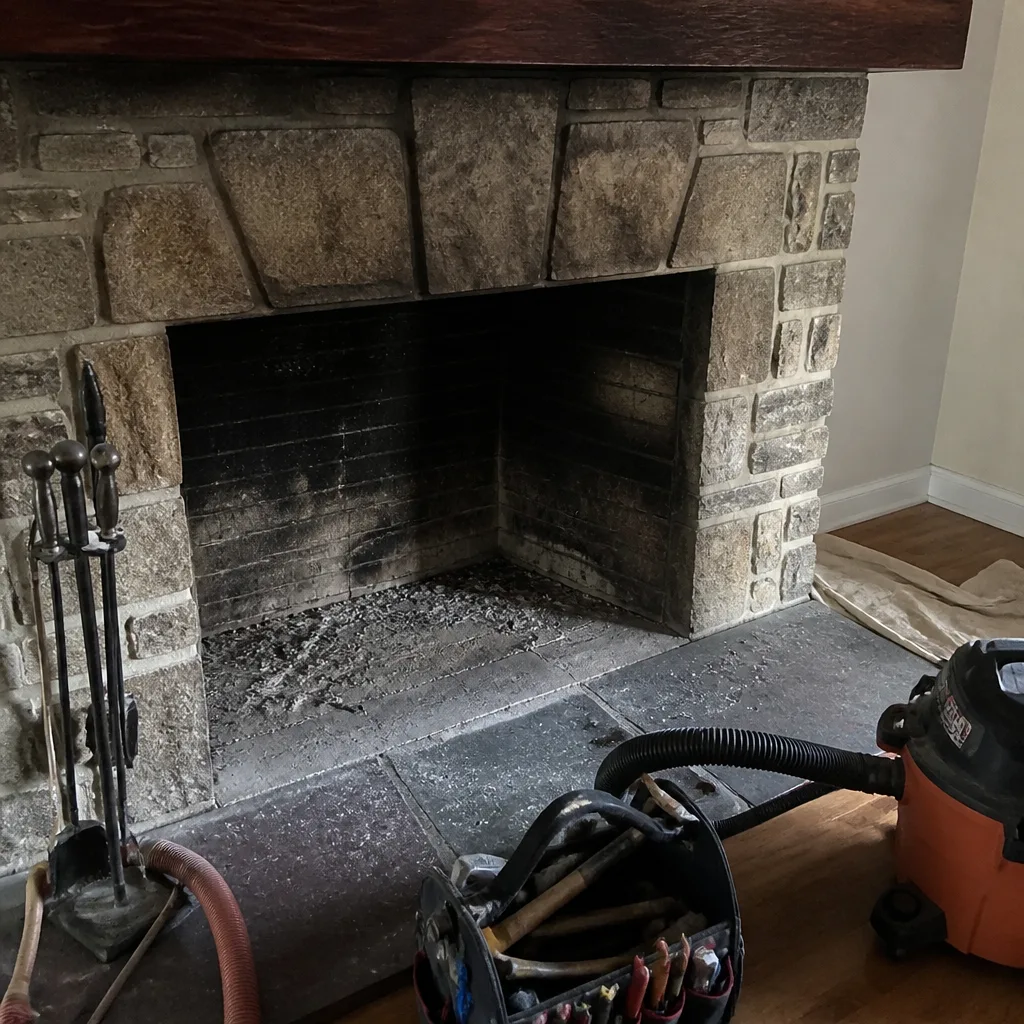
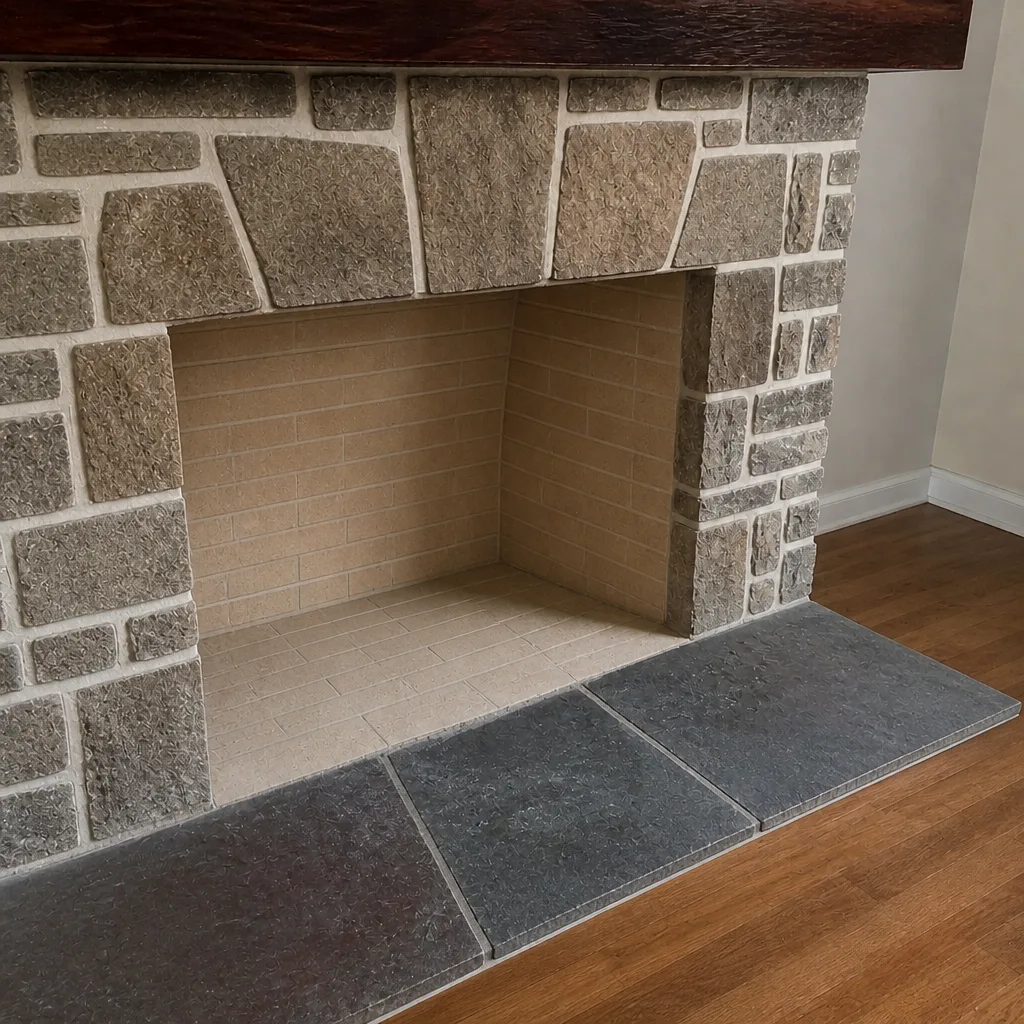
See the difference
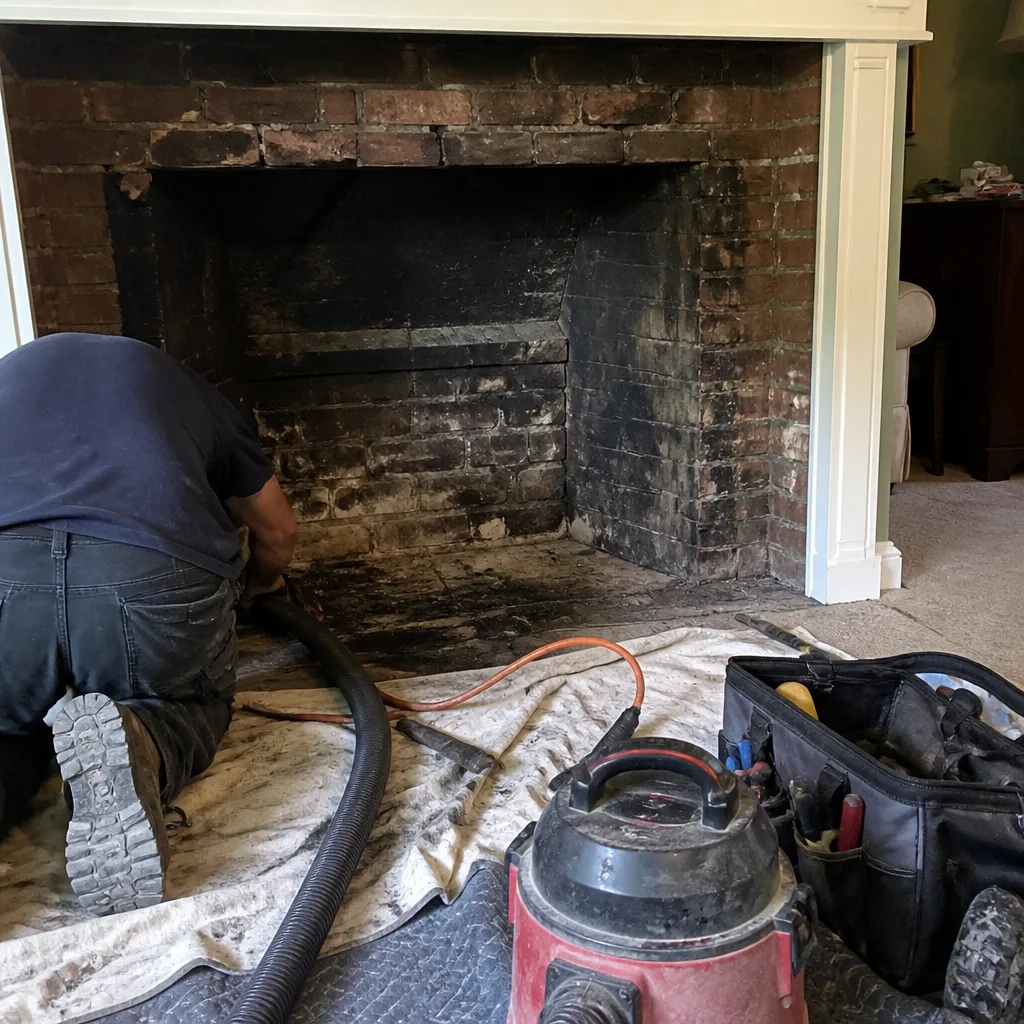 Before
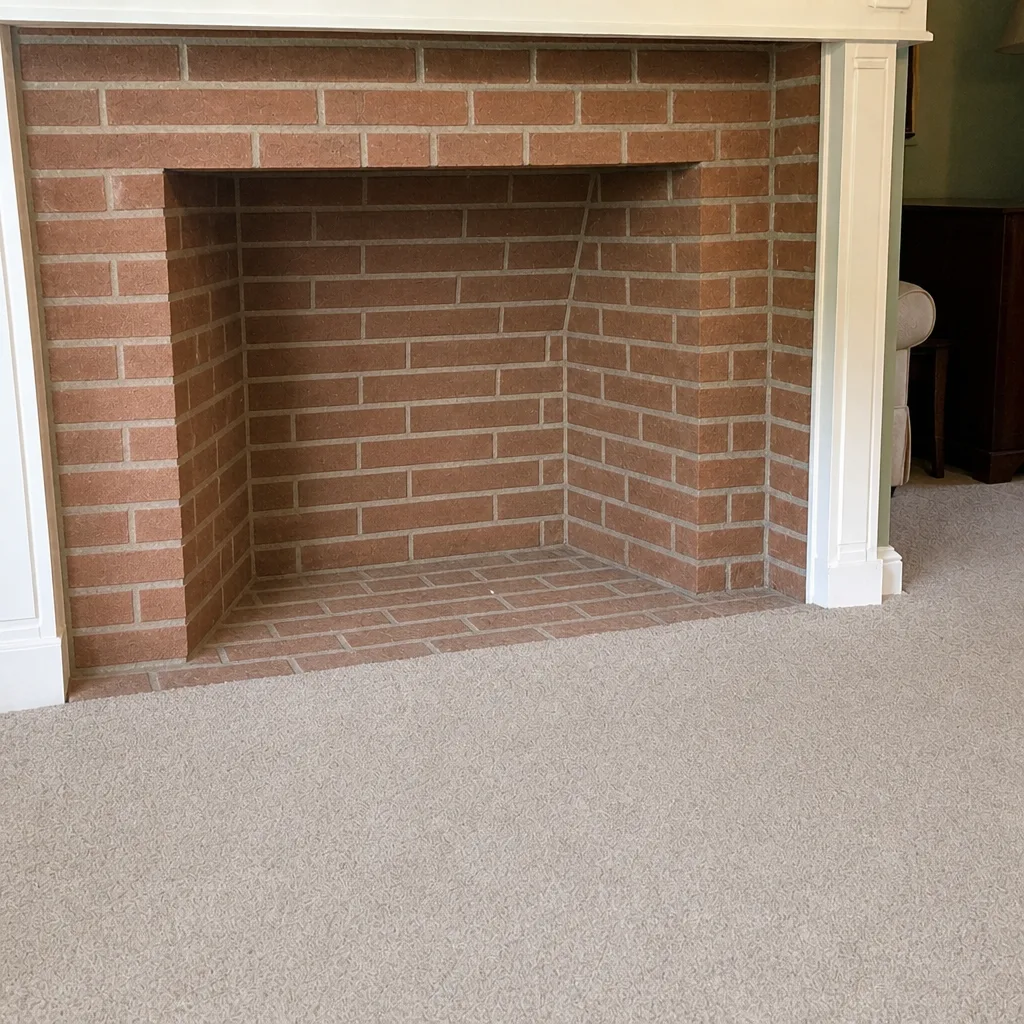 After
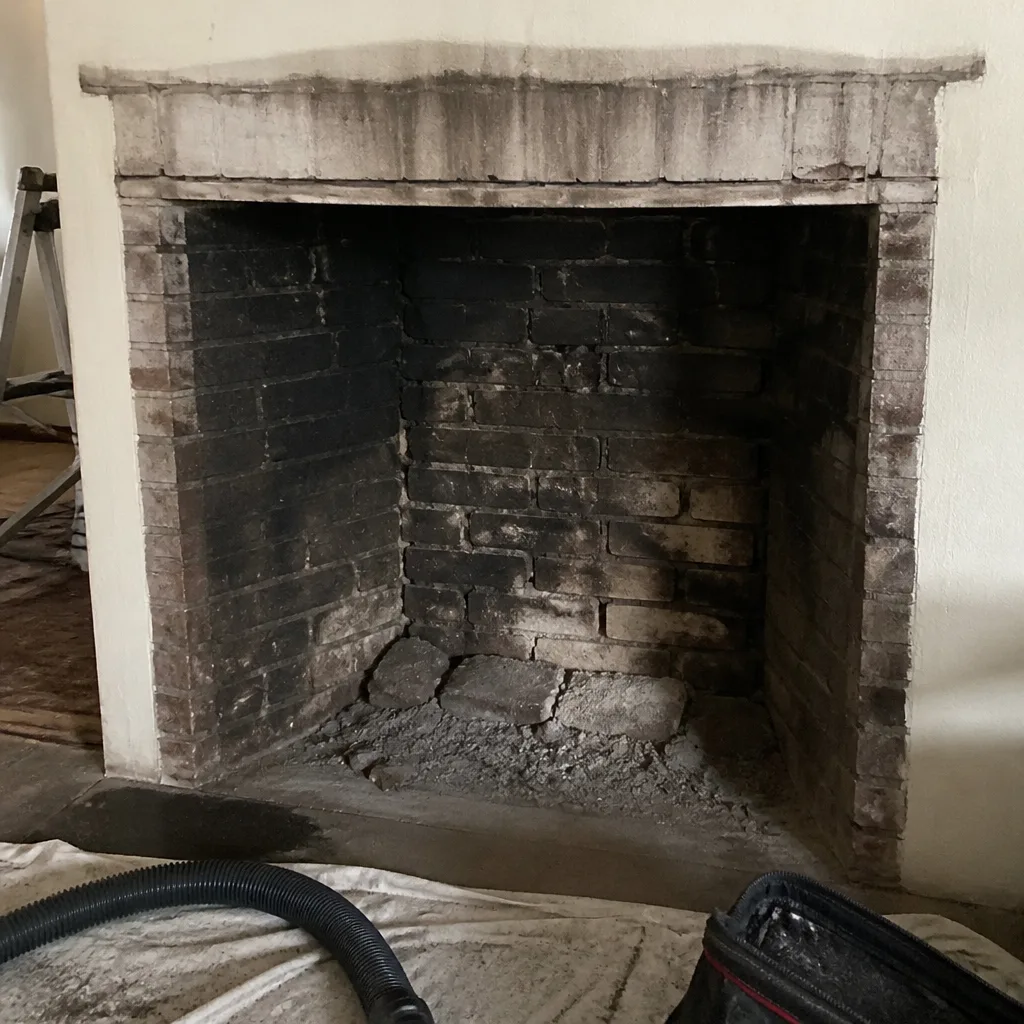 Before
 After
 Before
 After
When to Call a Professional
Call a chimney professional when you see or smell a problem you can’t easily explain, when a smoke smell enters the room during a fire, when you hear animal sounds in the flue, when water is entering the firebox, or when a chimney fire has occurred, even a small one. Call before you buy a home with a wood-burning appliance, and call before the season starts if the chimney hasn’t been swept in the past year. Our technicians have up to 9 years of experience, and our visits include a flat-price sweep agreed before booking, with camera inspection and a photo report included so you can see what we saw. Chimney Sweep Fox Chase offers free estimates in Fox Chase. Call (844) 526-7704. We answer 24/7. Fast dispatch from 7am to 7pm, Sunday through Friday.
Frequently Asked Questions
No. Chimney cleaning, also called sweeping, is maintenance and never requires a permit in Fox Chase or anywhere else in Philadelphia County. The permit conversation starts when the sweep uncovers a repair that changes the flue system or the chimney’s structure, such as a liner installation or a rebuild. Call (844) 526-7704 for an exact quote on a sweep and inspection. Estimates are free.
Work that changes the structure or the flue system typically requires a permit through Philadelphia L&I. That includes stainless steel liner installation, chimney rebuilds, flue changes that alter the interior dimensions, and any exterior alteration that changes the chimney’s visible profile. Repointing, capping, crown repair, and sweeping are ordinarily treated as maintenance and stay outside permit scope. When in doubt, confirm with L&I before the work is scheduled.
A rough-in inspection is the stage of the liner project where L&I verifies the flue preparation and clearances before the liner is permanently sealed. It’s the inspection that confirms what’s behind the masonry, which is why timing matters. Call (844) 526-7704 to talk through your liner project and what the inspection sequence will look like. Estimates are free.
NFPA 211 recommends a Level 2 inspection when a property changes hands, and we recommend it for any home purchase where a wood-burning appliance exists. The Level 2 includes a video scan of the flue interior, which is the only way to see inside a chimney that hasn’t been inspected in years. It also surfaces any unpermitted work from previous owners.
You have two options: pursue a retroactive permit if the work is otherwise code-compliant, or disclose the unpermitted condition when you sell. The first step is a Level 2 inspection with a photo and video report that documents the existing installation. Call (844) 526-7704 to schedule the inspection. Estimates are free.
Yes. Unpermitted work can create a disclosure obligation at sale, stall a closing while the permit situation is sorted out, and lower what a buyer will offer. Liner work, rebuilds, and exterior alterations are the most common culprits in Fox Chase’s older housing stock. Having the paperwork in order before a sale is a lot easier than sorting it out under a closing deadline.
The Bottom Line
The permit line for chimney work in Fox Chase is set by whether the job changes the structure or the flue system. Sweeping, repointing, and capping don’t require permits. Liner installation, rebuilds, and exterior profile changes do, and they go through Philadelphia L&I with a rough-in inspection along the way. NFPA 211 is the standard that inspections are built on, and the annual Level 1 check plus a sweep is the routine. Fox Chase’s older housing stock means the permit conversation matters more than it does in newer neighborhoods, which is why we ask before we price. Keeping records makes all of it simpler at sale.
From your first sweep to a full rebuild, one company handles it. Our five core services cover sweeping, chimney cap and crown work, chimney repair, liner installation and rebuilding, and fireplace repair, so the permit conversation starts with the same team that does the work. Call (844) 526-7704 for a free estimate. We answer 24/7. Fast dispatch from 7am to 7pm, Sunday through Friday.
Written by the team at Chimney Sweep Fox Chase.