
Last updated November 22, 2026
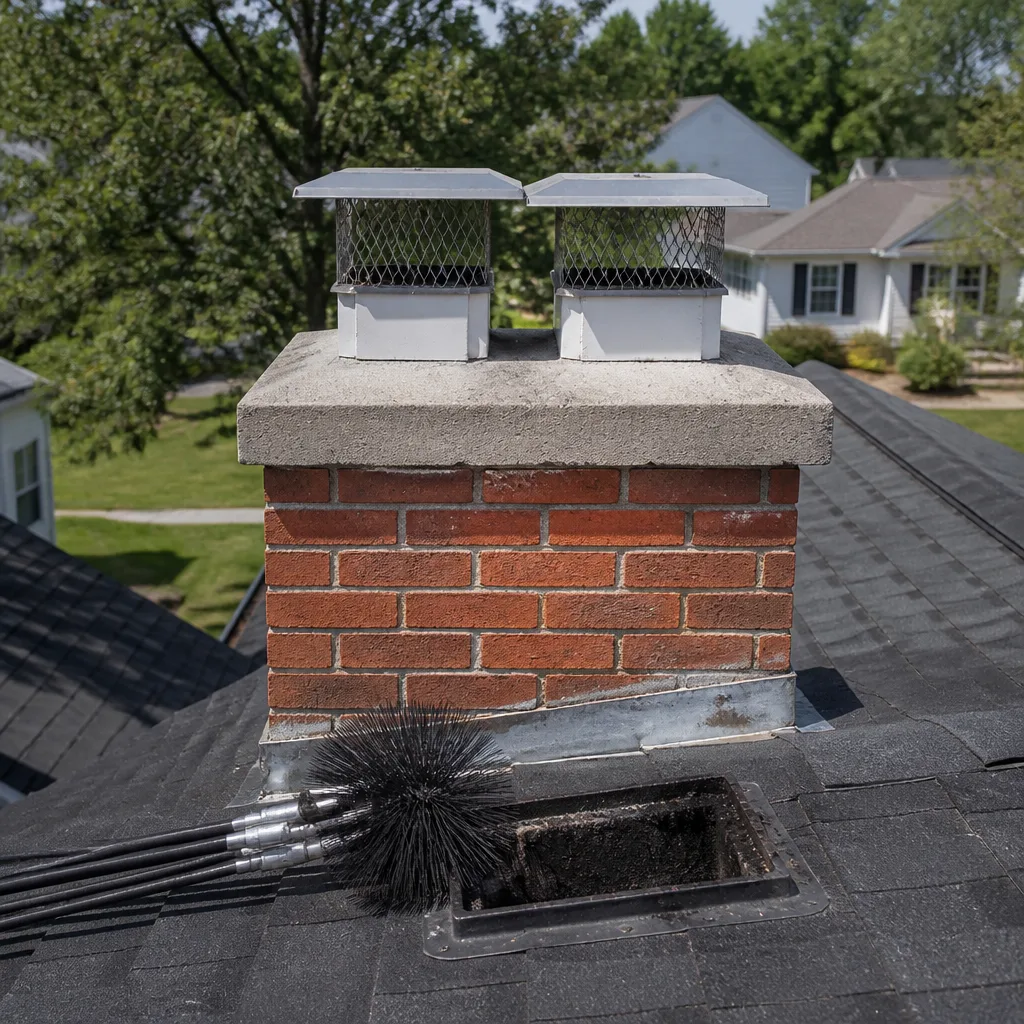 Sweep & inspection
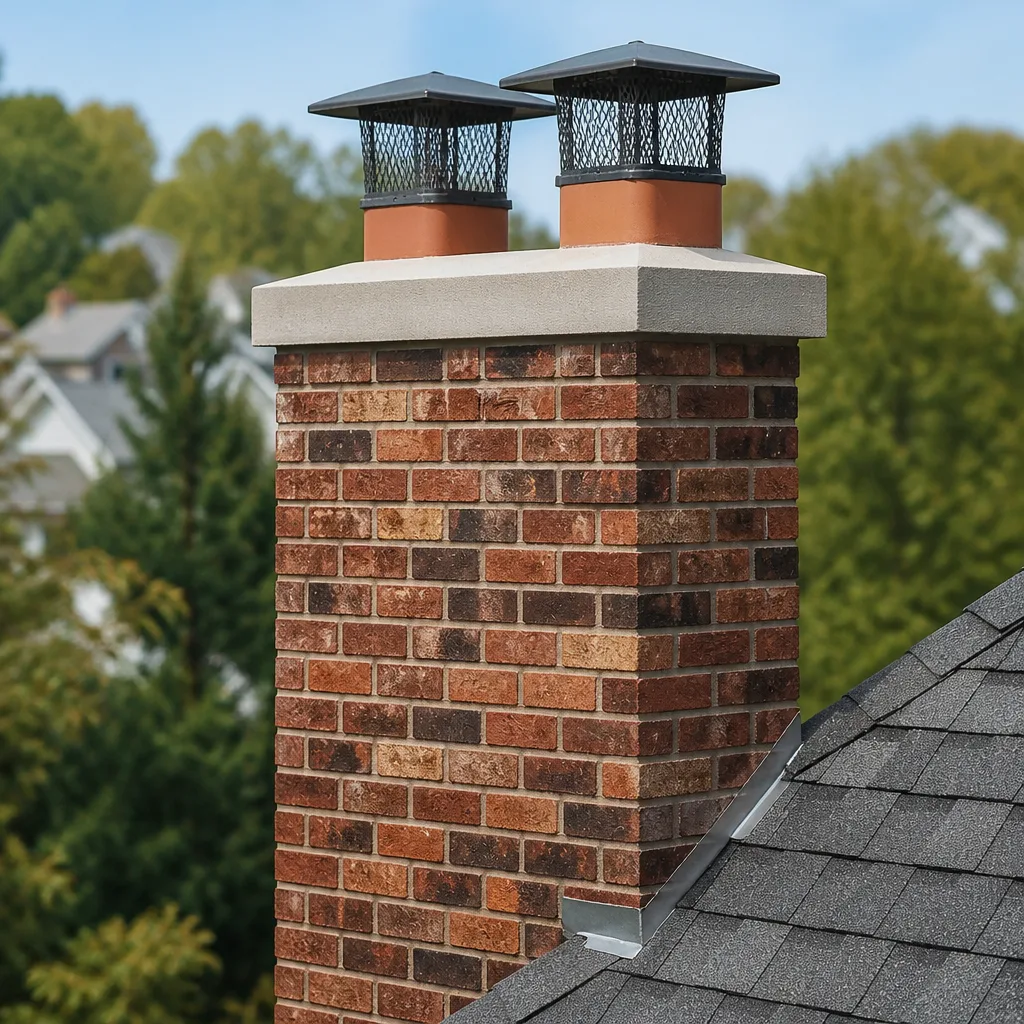 Caps & crowns
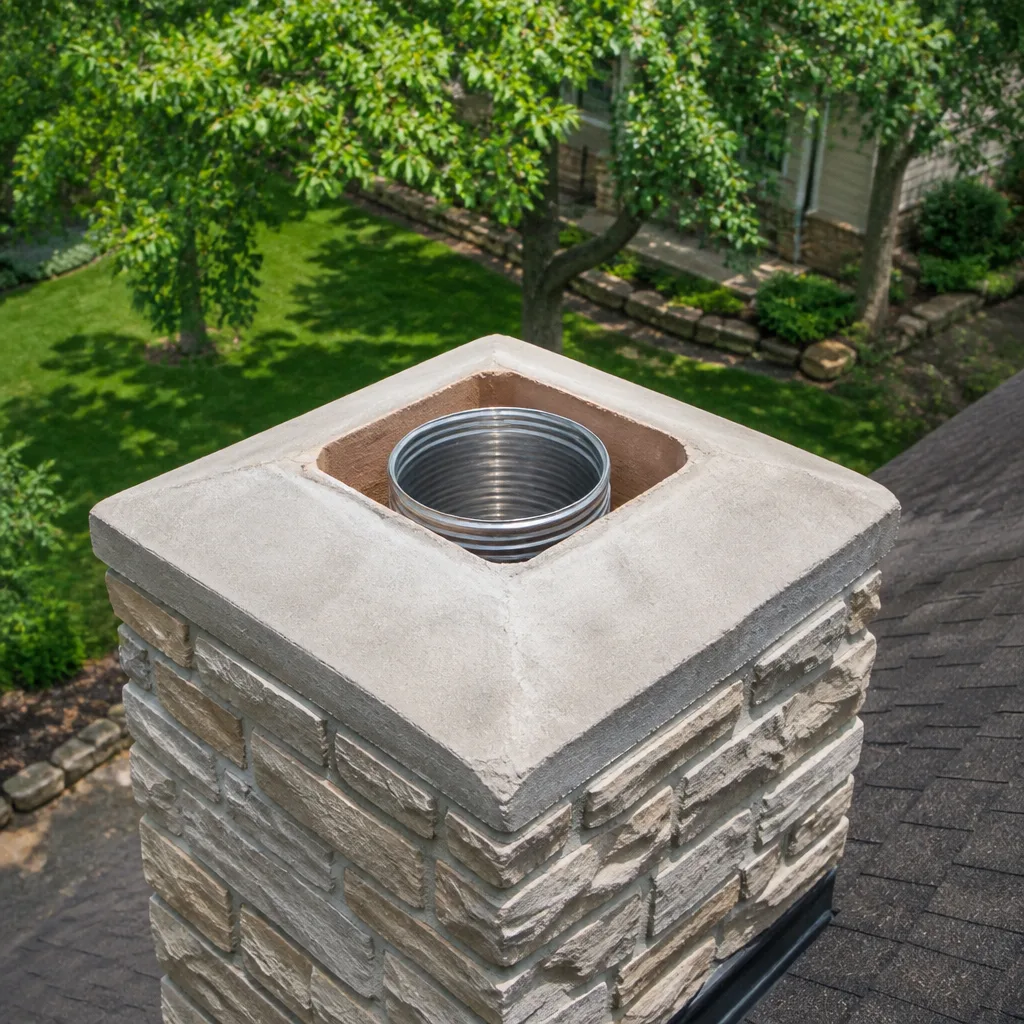 Flue relining
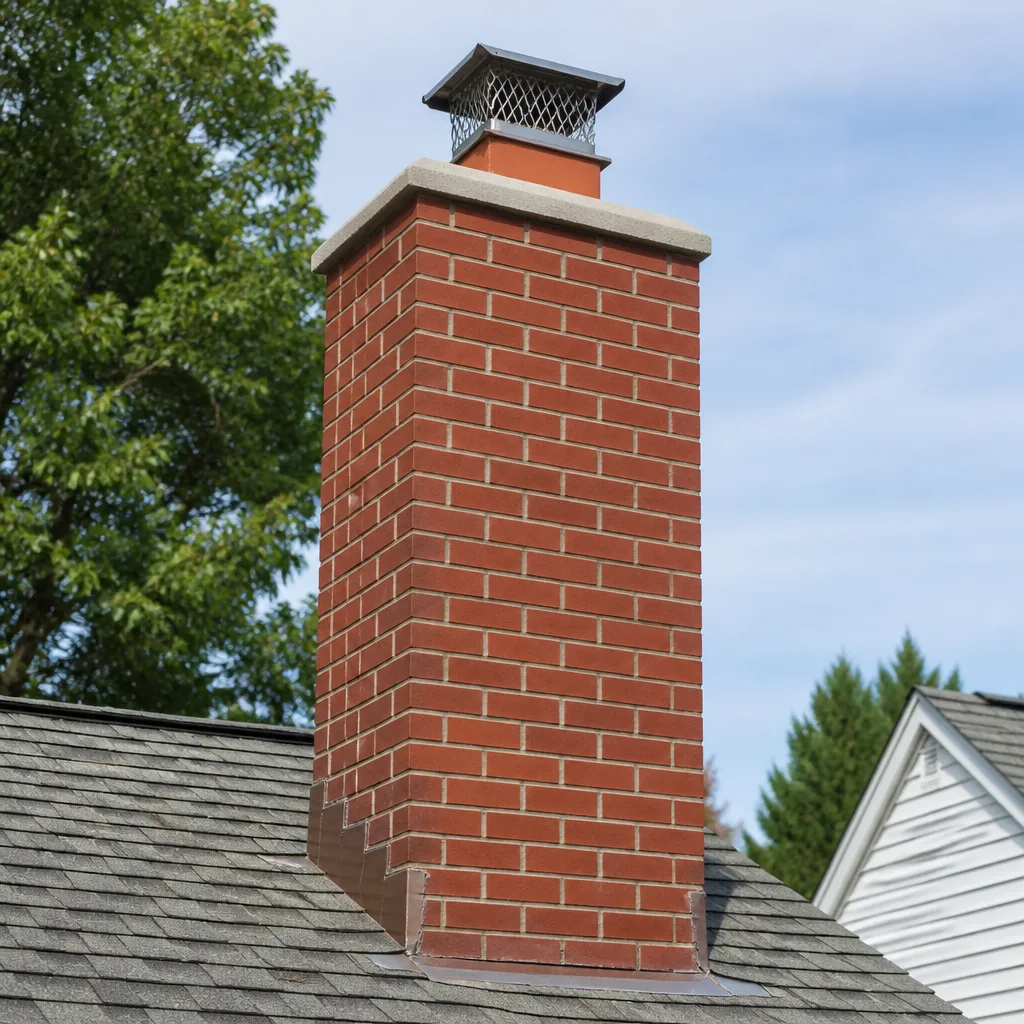 Masonry repair
 Gas fireplace service
Level 1 sweep and inspection to the NFPA 211 annual standard - flue, crown, cap, and flashing checked and photographed
Chimney sweep logs do not sweep chimneys. They loosen some creosote - which then falls where a brush and vacuum still have to collect it.
Chimney Cleaning Emergency Preparedness Guide for Fox Chase Homes
Most people picture a chimney fire as flames roaring out of the top of the house and a sound like a freight train. That happens. But just as often, a chimney fire burns slow and low inside a cracked liner, and the only signs are a faint smell change and a flue temperature quietly destroying the flue from the inside. You don’t see it until the damage is already done. That’s the part of chimney emergencies that gets missed in Fox Chase, and it’s the part this guide is built around. We’ll cover how to spot a fire in progress, what to do in the first five minutes, how carbon monoxide sneaks up on wood-burning homes, how to prepare before the season starts, and why a chimney can’t be used again until a proper inspection clears it.
Quick Answer
If you suspect a chimney fire, close the damper, get everyone outside, and call 911. Once the fire is out, never relight the fireplace until a Level 2 inspection has been completed, because a fire that cracked a liner or warped a flue can send carbon monoxide into the home on the next burn. And the single most effective preparation is a clean flue combined with knowing how to read your own chimney’s warning signs.
Styles & brands we work with
- Sweep & inspection
- Caps & crowns
- Flue relining
- Masonry repair
- Gas fireplace service
Table of Contents
- The Three Chimney Emergencies That Actually Happen
- How to Identify a Chimney Fire in Progress
- First Five Minutes: A Step-by-Step Response
- Carbon Monoxide and Your Fireplace: Why It’s Different
- Pre-Season Preparedness: What to Keep and Where
- Sudden Draft Failure: The Slow Emergency
- Post-Incident Protocol: What Comes After a Fire or CO Event
- When to Call a Professional
The Three Chimney Emergencies That Actually Happen
Chimney emergencies in Fox Chase fall into three predictable categories: chimney fires, carbon monoxide events, and sudden draft failure. Every one of them is survivable when the homeowner reacts correctly, and every one of them becomes a house-level crisis when nobody knows what the first step is. The response is different for each.
A chimney fire is a combustion event inside the flue or firebox. Creosote, the residue that builds up from burning wood, ignites at high temperatures, and it can flare violently or smolder quietly for hours. A carbon monoxide event comes from incomplete combustion combined with a blocked or leaky flue venting toxic gas back into the living space instead of up and out. Sudden draft failure is the third: a chimney that suddenly stops pulling smoke, filling the room with it instead of venting. It looks minor compared to the other two, but a consistently failed draft is often a symptom of a blocked or collapsed flue liner, which is the very condition that produces carbon monoxide.
What separates a contained problem from a house fire is rarely the size of the initial event. It’s almost always whether the homeowner knew what to do in the first sixty seconds. That’s true in Fox Chase the same as anywhere, but there’s a local wrinkle worth naming: many of the homes in and around Fox Chase have older masonry chimneys with clay-tile liners that have been through decades of heating and cooling. A clay tile with a hairline crack from years of thermal cycling is exactly the kind of flue a slow-moving fire can travel inside.
The good news is that preparedness is a skill, not a talent. Anyone can learn the three categories, the signs, and the first response steps. That’s what this guide is for.
How to Identify a Chimney Fire in Progress
The loud, visible chimney fire is easy. It roars, the stovepipe or fireplace face gets hot to the touch, and flames or dense smoke are visible at the chimney top. Most homeowners recognize that one. The slow-burn fire is the one that fools people, and it’s often the more damaging of the two because it can run for hours inside a liner before anyone notices.
Sounds to listen for
A chimney fire can sound like a low rumble in the flue, a crackling that doesn’t match the fire in the firebox, or a series of popping and tapping noises as the metal or masonry heats and cools unevenly. Some fires are silent from the living room and only audible outside the house.
Smells and visual cues
Watch for a sudden change in how the fire smells, a hot, tarry or metallic odor in the room, a puff of smoke that comes back into the living room with no obvious cause, or smoke visible from the chimney top when the firebox appears calm. If you can see the chimney cap from the yard, check whether the smoke leaving the chimney is unusually dense or dark.
The slow-burn scenario most homeowners miss
A slow-burn chimney fire can run inside a cracked liner with no flames visible anywhere, no alarms, and no obvious heat in the room. The subtle signs are a faint smell shift, a persistent warmth on the chimney face or a wall that backs onto the flue, and soot or ash telling you the flue has been hotter than normal. A creosote-heavy flue plus a hot fire is the condition that makes this possible, and it’s a condition a routine chimney sweep is designed to catch. In our experience, most slow-burn damage is discovered after the fact by an inspector, not in the moment by the homeowner.
First Five Minutes: A Step-by-Step Response
Here are the exact steps for the first five minutes of a chimney fire. Read them once now so you don’t have to learn them during one.
- Get everyone out of the house. That includes pets. You can deal with the fire once everyone is safe.
- Call 911 from outside. State that you believe there’s a chimney fire. You do not need to confirm it to call.
- Close the firebox doors and the damper if you can do it safely on your way out. Cutting the air supply to the fire limits the fuel it can burn.
- Do not throw water into the firebox. Water on a hot firebox or masonry can cause a violent steam expansion and crack or shatter the structure. It can also push smoke and gas back into the room.
- Stay out until the fire department clears the scene. Chimney fires can re-ignite inside an unseen section of flue after the visible fire is out.
One more thing not to do: don’t climb onto the roof to inspect the chimney top while the flue is hot. Heat, smoke, and a hot chimney cap make the roof a dangerous place during a fire, and the fire department will want the area clear.
Carbon Monoxide and Your Fireplace: Why It’s Different
Carbon monoxide from a fireplace behaves differently from furnace-related CO risk. A furnace has its own vent and its own failure modes. A fireplace is open, draws air from the room, and depends on an intact flue liner to carry exhaust up and out. A blocked, cracked, or deteriorated liner under a wood-burning fireplace doesn’t just vent less efficiently; it can pull exhaust back into the living space. That’s why a Level 2 inspection after any suspected fire or CO event is not optional.
Where to put CO detectors in a wood-burning home
- On every level of the house where people sleep, and outside each sleeping area.
- In the room where the fireplace sits, and in the hallway just outside it if the layout allows both.
- Ten to fifteen feet away from the fireplace itself, so the detector isn’t exposed to normal combustion byproducts but is still close enough to catch a backdraft.
- On the ceiling or high on a wall, not near a floor vent or a door that moves air.
Test monthly and replace detectors according to the manufacturer’s schedule. A detector that works is the only way you’ll know a CO event is in progress in a wood-burning home, because CO itself is odorless. The smell of smoke is not the same warning, and neither one substitutes for a properly vented flue.
Pre-Season Preparedness: What to Keep and Where
If your chimney has an emergency, the fire department and the chimney inspector will both want the same documents in a hurry. Keep a single folder, physical or digital, that holds your chimney’s history, and tell your household where it lives.
- Your last inspection report, including the date and the inspector’s notes on liner condition.
- The liner type and installer name for any relining work already done, whether that’s a DuraFlex stainless liner or a HeatShield resurfacing application.
- The last sweep record showing how much creosote was removed and where it accumulated.
- For any new install: manufacturer documentation and the installer’s contact information.
- For restored masonry: the tradesperson’s name and the materials used, including any crown repair, cap work, or rebuild.
Keep the folder where you’d keep your home’s insurance paperwork. That’s the physical place you’d think to grab in an emergency. If you don’t have a cape on your chimney yet, that’s a pre-season item worth planning: a properly sized cap and sound crown are two of the biggest defenses against water getting into the flue and degrading the liner between seasons. Our chimney cap & crown work covers both.
Before the heating season starts, also walk around the fireplace and the chimney outside. Look for loose chimney cap pieces, staining on the exterior of the chimney, cracked or missing crown mortar, and anything off-vertical. If any of that is visible, call for a chimney repair evaluation before the first fire.
Sudden Draft Failure: The Slow Emergency
Draft failure doesn’t get the attention that fires and CO do, but it’s often the first step toward one of those. If your fireplace suddenly starts smoking into the room, the fire won’t light easily, or you notice a smell of smoke in the room that wasn’t there last season, the chimney isn’t venting the way it should. Common causes include a blocked flue, a collapsed liner section, a closed or jammed damper, or a firebox with damage near the throat.
The right first move is to stop using the fireplace. A draft that fails intermittently can vent a small amount of exhaust into the living space before it recovers, and nobody will notice that without a CO detector. A chimney that won’t vent is a chimney that can kill quietly. The second move is to book a Level 2 inspection. The inspector uses a camera to look inside the full length of the flue, which is the only way to see a cracked clay tile or a failed liner joint. If the draft problem is coming from a deteriorating liner, HeatShield ceramic resurfacing can restore a flue that doesn’t yet need a full reline, and a DuraFlex flexible stainless liner is a code-compliant solution when the existing flue needs one. Both sit in our toolkit as professional-grade options rather than big-box substitutes.
Post-Incident Protocol: What Comes After a Fire or CO Event
A chimney that has survived a fire or a CO event cannot be used again until a Level 2 inspection has been completed. This is one of the few rules in chimney work that’s absolute. A Level 2 inspection includes a visual review of everything accessible plus a camera assessment of the full flue interior. Here’s what it’s specifically looking for:
- Cracked, spalled, or displaced clay tile. A single missing joint between flue tiles is a direct path for hot gas or carbon monoxide into the wall cavity.
- Warped or separated metal liner seams. A stainless liner that has been over-driven by heat may still look intact from the top and fail at a seam halfway down.
- Damaged firebox and throat. Cracks in the firebox refractory or damage to the damper assembly change the combustion path for every future fire.
- Crown and chimney cap condition. Heat and water damage frequently show up first at the crown, which is why any post-incident inspection includes it.
- Debris and obstruction. A fire can drop material into the flue. A camera run confirms whether anything is sitting inside it.
If the inspection finds damage, the repair path ranges from a targeted crown rebuild to a full liner replacement or, in severe cases, a complete chimney rebuild. A chimney with a masonry failure at the base or significant structural spalling may need rebuilding rather than patching; that’s a decision to make with a specialist after you’ve seen the camera footage. Ask for the footage. A reputable chimney company will show you what’s actually there.
One Fox Chase note about timing: the area sits inland with four real seasons, and clay-tile and masonry chimneys here go through a freeze-thaw cycle every winter. A chimney that has had a small fire and sustained hairline cracks in the flue often looks fine in summer and fails visibly the first hard freeze. That’s a reason not to leave a post-incident repair until spring.
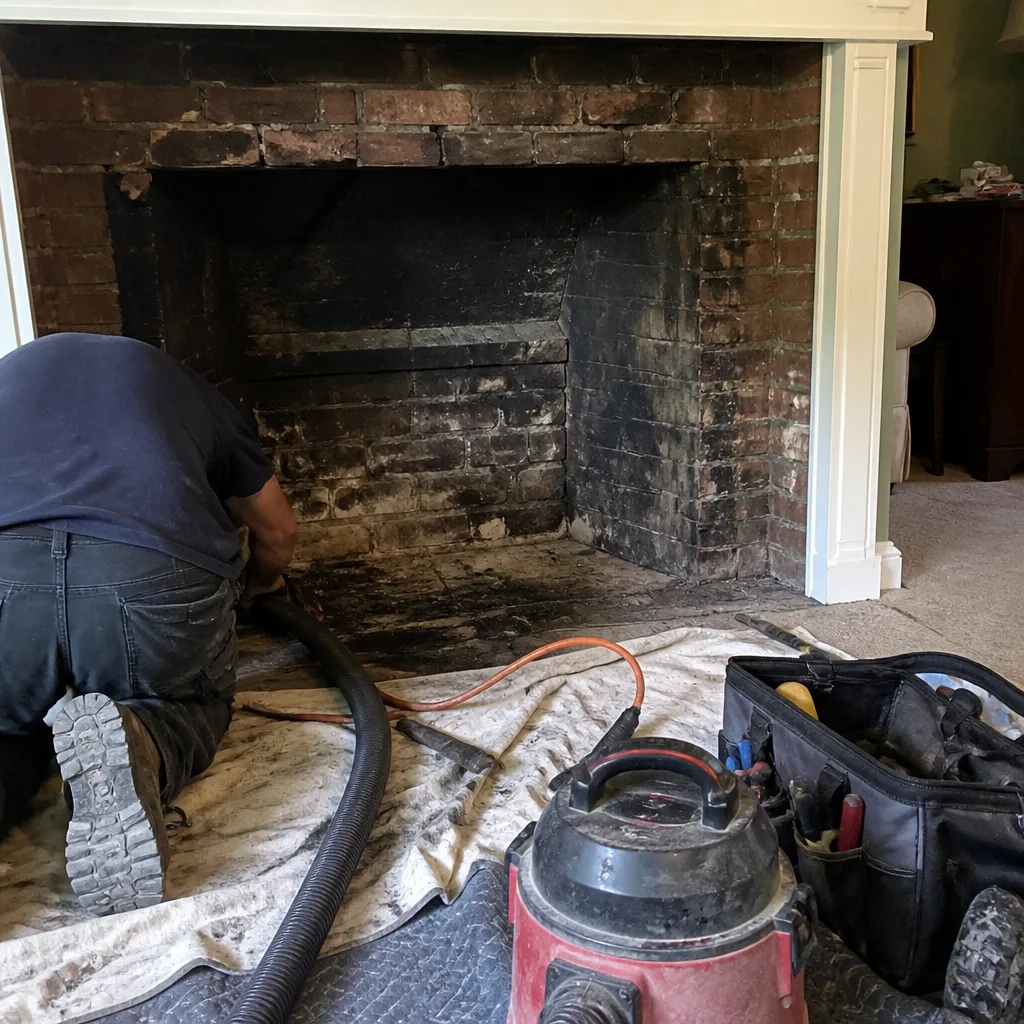
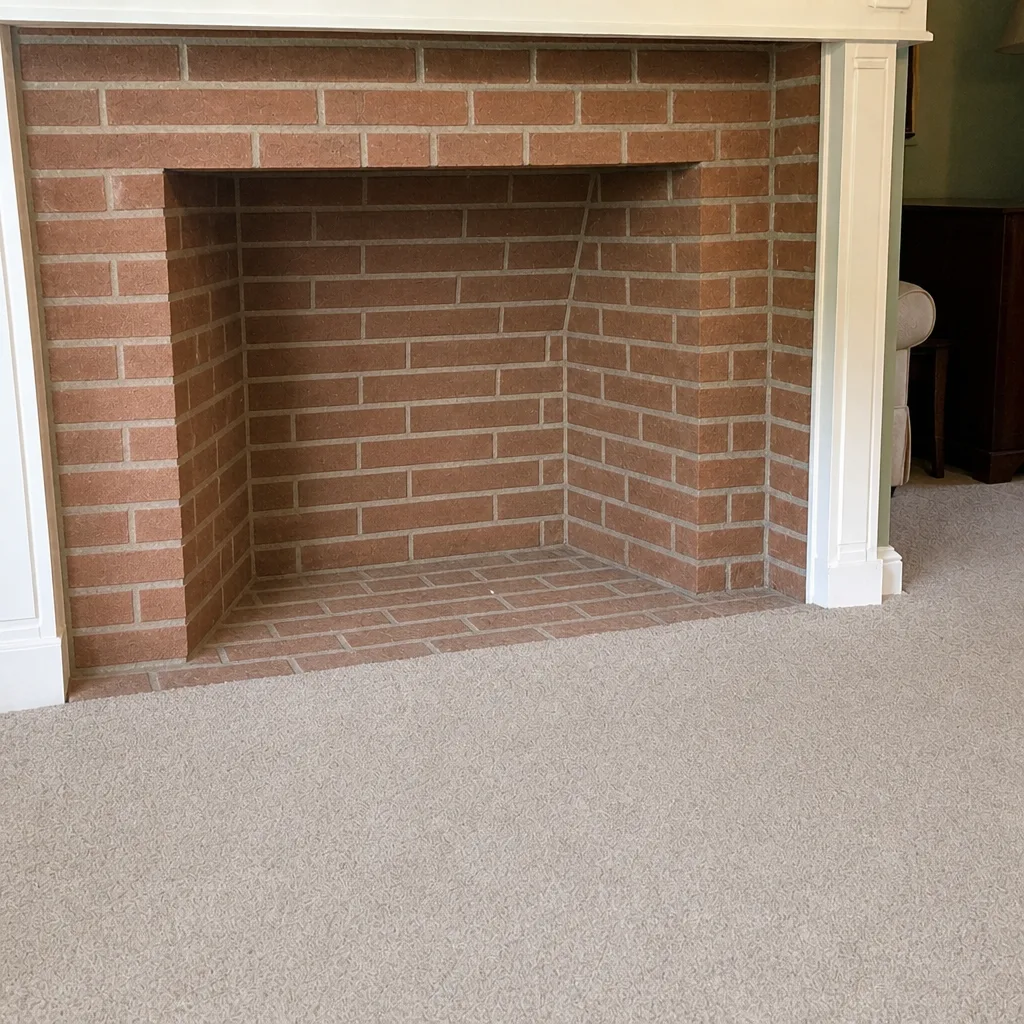
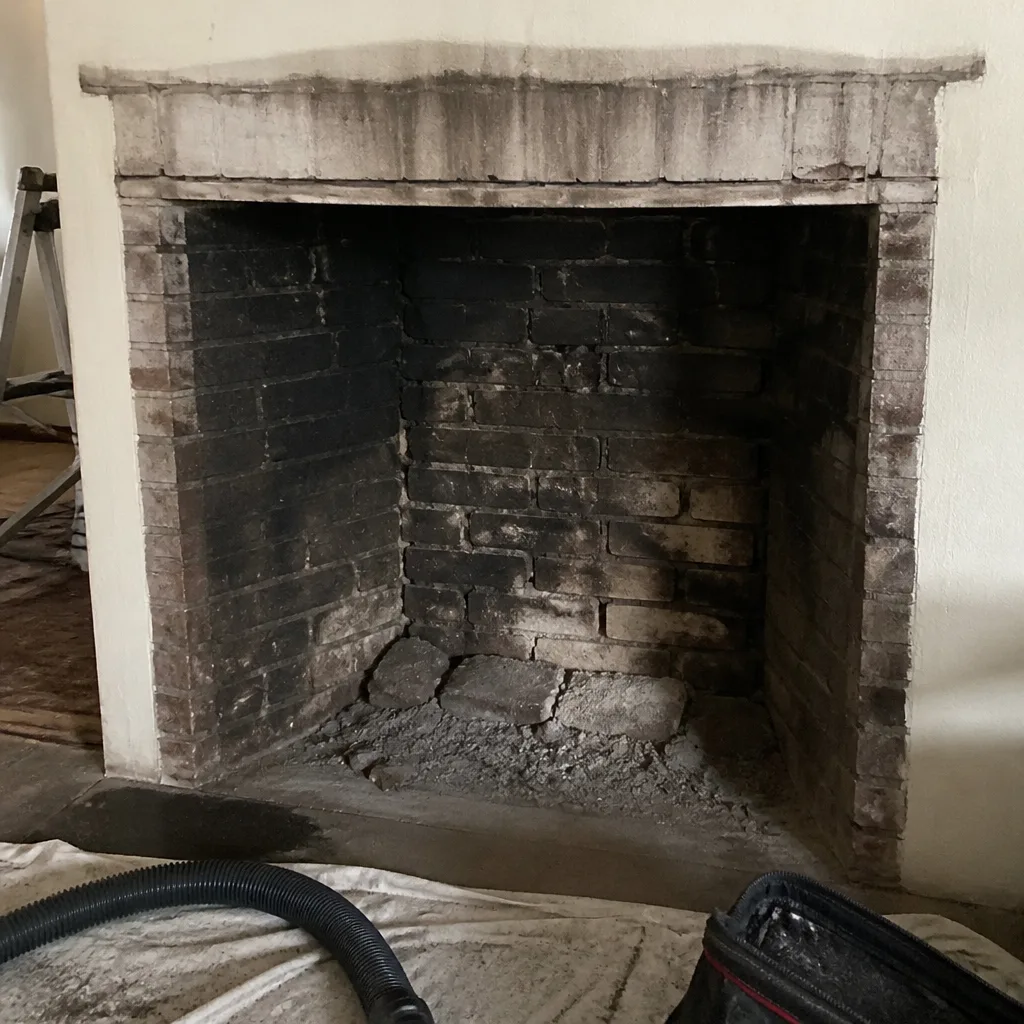
See the difference
 Before
 After
 Before
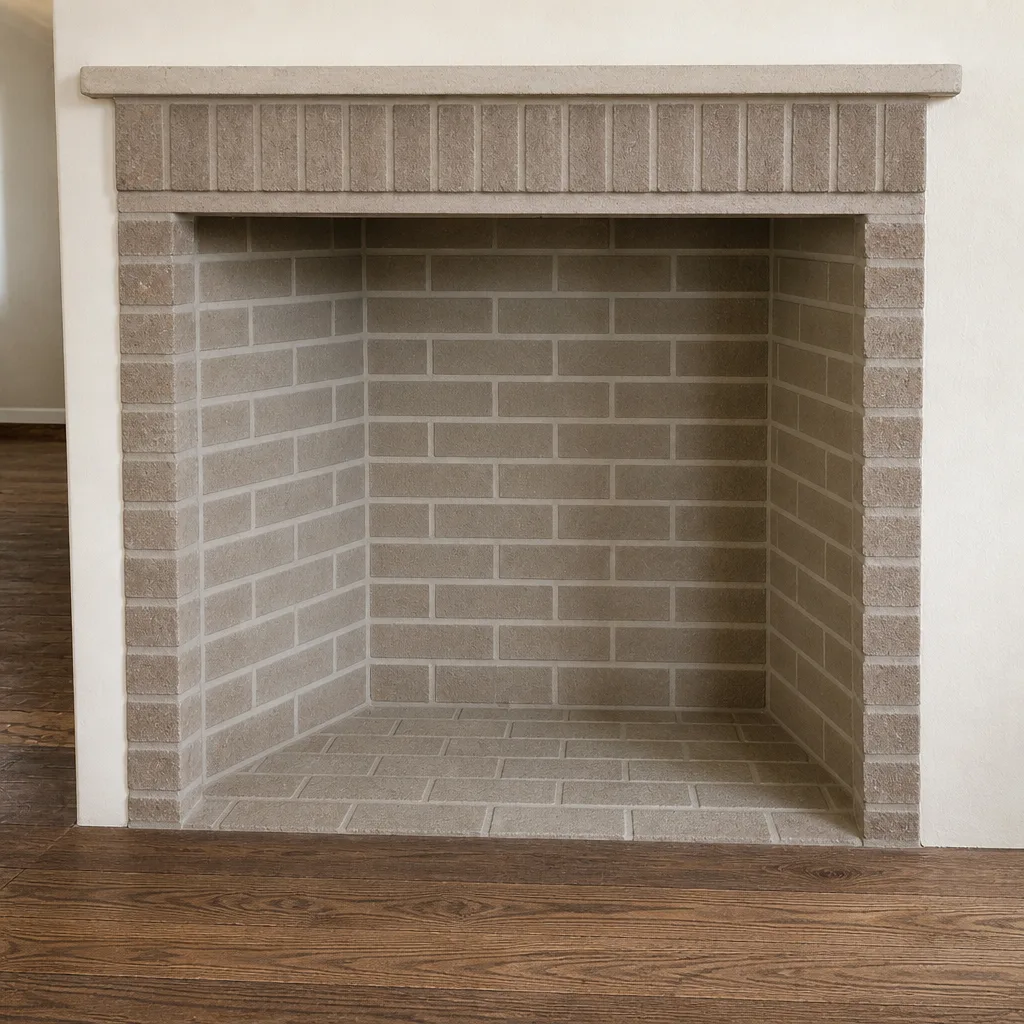 After
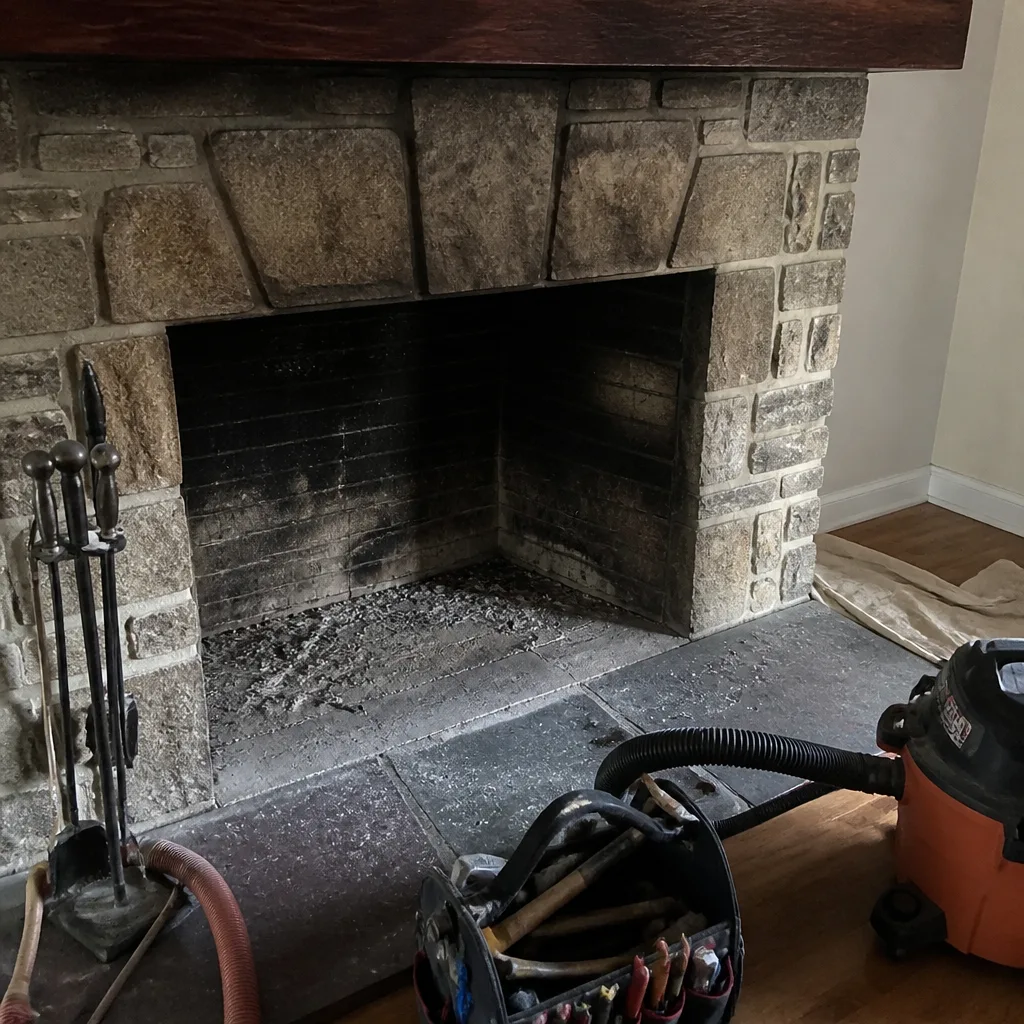 Before
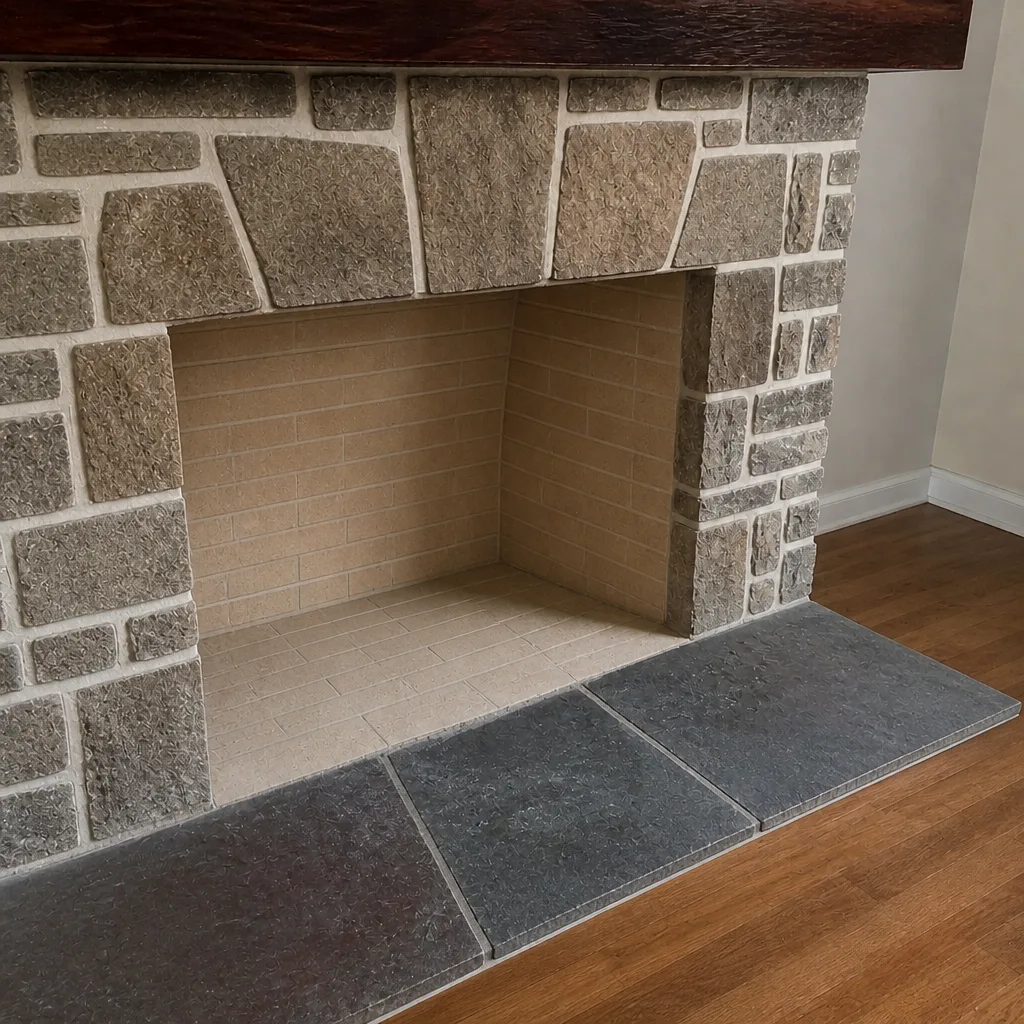 After
Common Mistakes to Avoid
- Waiting for visible flames before calling 911. A slow-burn chimney fire rarely shows flames. If the signs don’t match the fire you’re burning, treat it as a fire and call.
- Throwing a bucket of water into the firebox. The thermal shock can crack firebox masonry and flue tiles, and the steam it generates creates a serious burn risk.
- Assuming an “all clear” from the fire department means the chimney is safe. The fire department’s job is to put out the fire and secure the scene. The chimney’s structural integrity needs a separate Level 2 inspection before the fireplace is used again.
- Skipping the cap to save money. An uncapped chimney is the most common path for rain, birds, and debris to reach the flue liner. Every dollar saved on the cap tends to reappear in liner repair.
- Putting a CO detector only near the furnace. A wood-burning fireplace needs its own coverage. Furnace proximity tells you nothing about fireplace backdraft.
- Delaying a sweep because “it’s not that much creosote.” Creosote thickness isn’t reliably visible without looking up the flue. What you can see in the firebox doesn’t tell you the condition of the flue a few feet up.
When to Call a Professional
Call a chimney professional when you smell smoke in the room with a fire going, when the fireplace won’t light or won’t draw, when you suspect a chimney fire even if you’re not certain, when a CO detector has gone off and the source is unclear, when the chimney cap has come loose or gone missing, or when the crown or masonry is visibly damaged. Call after an earthquake or a heavy storm if anything on the chimney looks different. Call before every heating season if it’s been more than a year since the last sweep.
If any of those is happening, don’t keep burning. A trained chimney professional can assess the flue with a camera and tell you what it actually needs, from a routine chimney sweep to a full liner replacement. If you’re not sure who to call, the team at Chimney Sweep Fox Chase handles everything from sweeping and capping to repair and relining, using the same professional-grade brands chimney specialists rely on: DuraFlex, HeatShield, Gelco, Olympia Chimney, Famco, and Copperfield. We tell you what we found, what it means, and what fixing it involves. Fox Chase estimates are free. Call (844) 526-7704.
Frequently Asked Questions
Close the damper and firebox doors if you can do it safely, get everyone out of the house, and call 911 from outside. Don’t throw water into the firebox, and don’t try to inspect the chimney top during the fire. Once everyone is out and the fire department is on the way, stay out until the scene is cleared. After the all-clear, the chimney still needs a Level 2 inspection before the fireplace is used again.
You often can’t tell from inside the house. The signs are subtle: a change in the smell from the firebox, unusually warm wall or chimney face, smoke backing into the room unexpectedly, or soot that appears where it shouldn’t. Most slow-burn damage is found by a chimney inspector with a camera. If you suspect one, call for a Level 2 inspection before relighting. Call (844) 526-7704 for a free estimate.
Not always, but you need a proper inspection to know. A chimney fire can leave a clay-tile flue sound, partially damaged, or fully failed; only a camera run confirms which. If the liner is sound, a sweep and targeted repair may be enough. If it’s cracked or has failed joints, options range from HeatShield ceramic resurfacing to a DuraFlex flexible stainless liner, depending on the flue’s condition. Call (844) 526-7704 for a free estimate.
On every level where people sleep, outside each sleeping area, and in or near the room where the fireplace sits, set ten to fifteen feet from the fireplace itself and mounted high. A detector placed only near the furnace covers furnace risk, not fireplace risk. Test the units monthly and replace them on the manufacturer’s schedule.
You risk carbon monoxide getting into the living space and you risk another fire in damaged flue tiles. If a fire has cracked the liner, the next fire burns into that crack. That’s the exact mechanism that turns a small chimney problem into a house-level emergency. The flue doesn’t need to be permanently out of service; it needs to be repaired before the next fire.
Call (844) 526-7704. We answer 24/7. Fast dispatch from 7am to 7pm, Sunday through Friday. We are closed Saturday, and a call outside dispatch hours is booked into the next opening, Sunday through Friday, 7am to 7pm. Estimates are free.
The Bottom Line
Chimney emergencies in Fox Chase fall into three buckets: fires (including the quiet slow burns most people miss), carbon monoxide events, and sudden draft failure. The first five minutes matter more than anything else. Know the signs, know the response steps, know where your chimney’s documentation lives, and don’t burn again after a fire or CO event until a Level 2 inspection has cleared the flue. Preparedness is cheap. A chimney fire that gets into a cracked liner is not.
If something is off with your chimney this season, call us. Chimney Sweep Fox Chase handles sweep, cap and crown, repair, liner installation and rebuilding, and fireplace repair with the same professional-grade materials. Call (844) 526-7704 for a free estimate. We answer 24/7. Fast dispatch from 7am to 7pm, Sunday through Friday.
Written by the team at Chimney Sweep Fox Chase.