
Last updated November 22, 2026
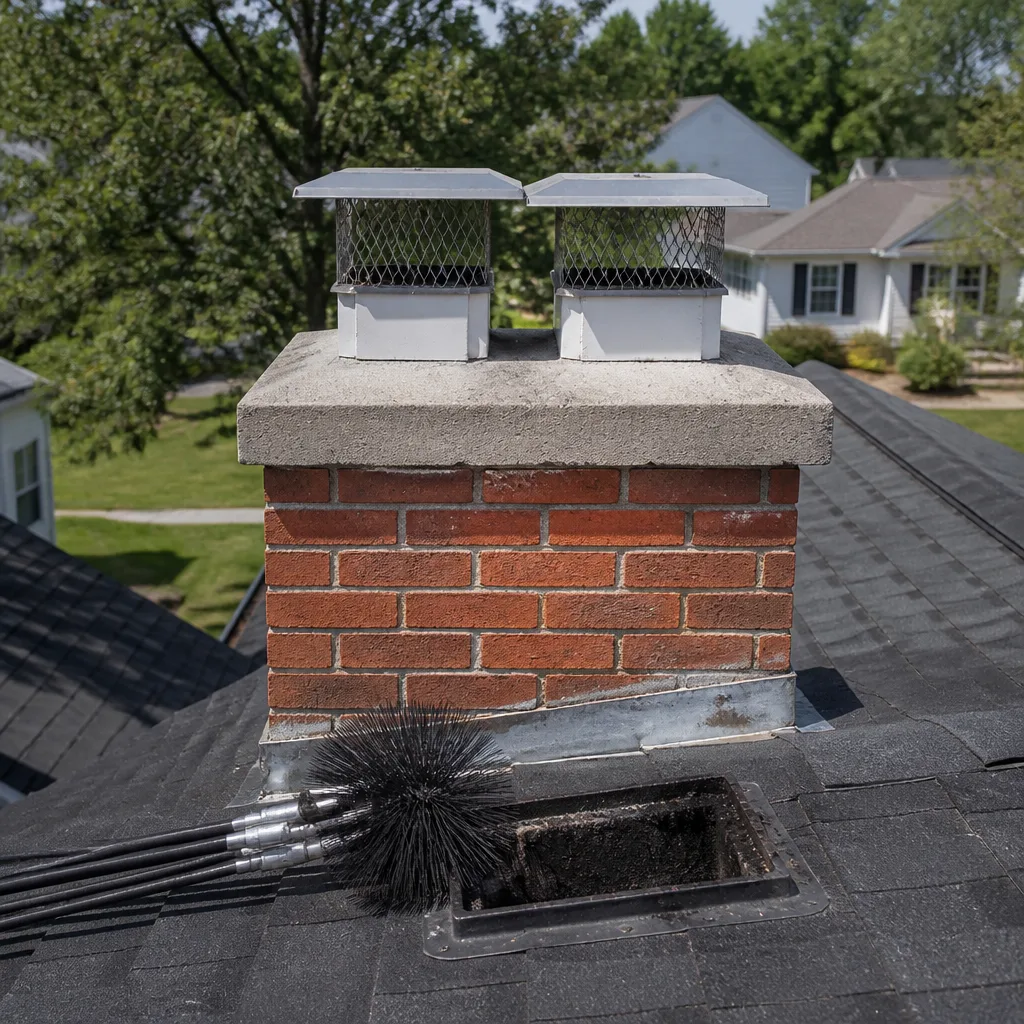 Sweep & inspection
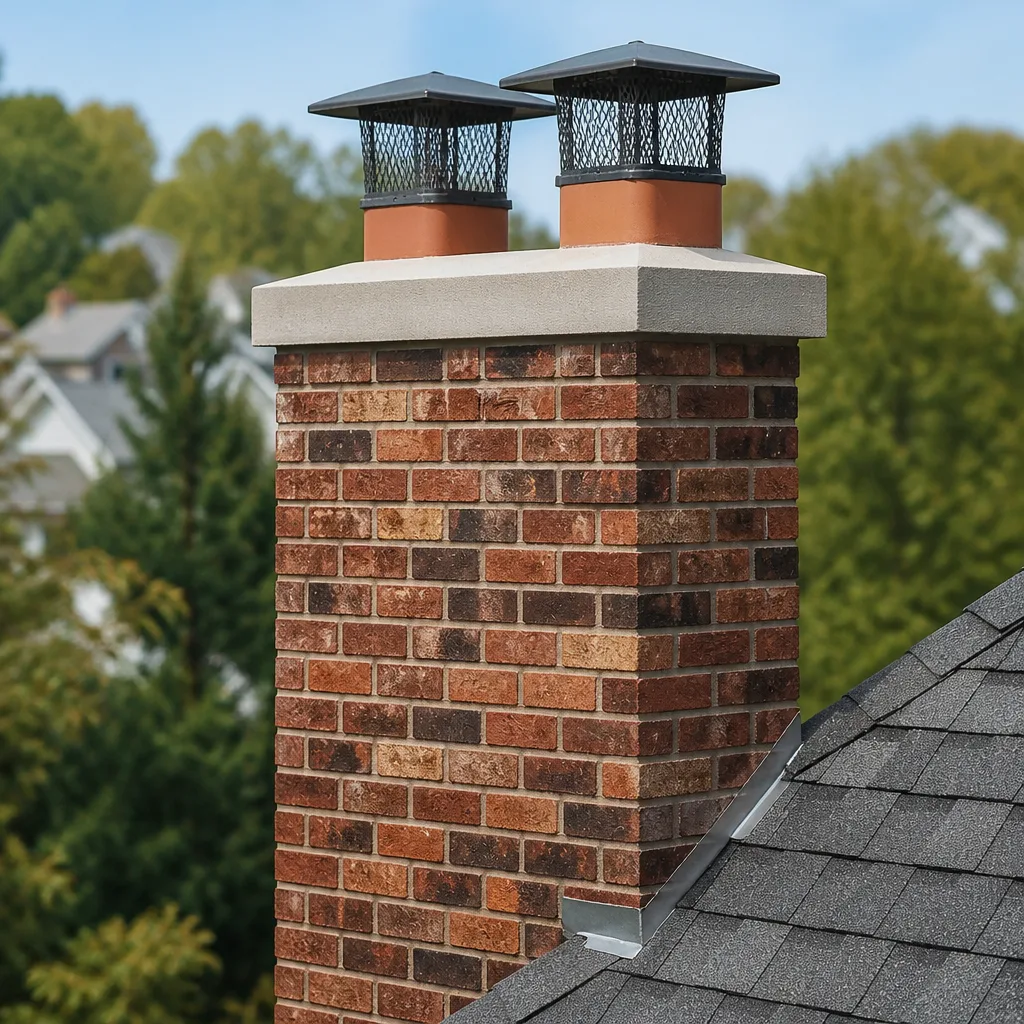 Caps & crowns
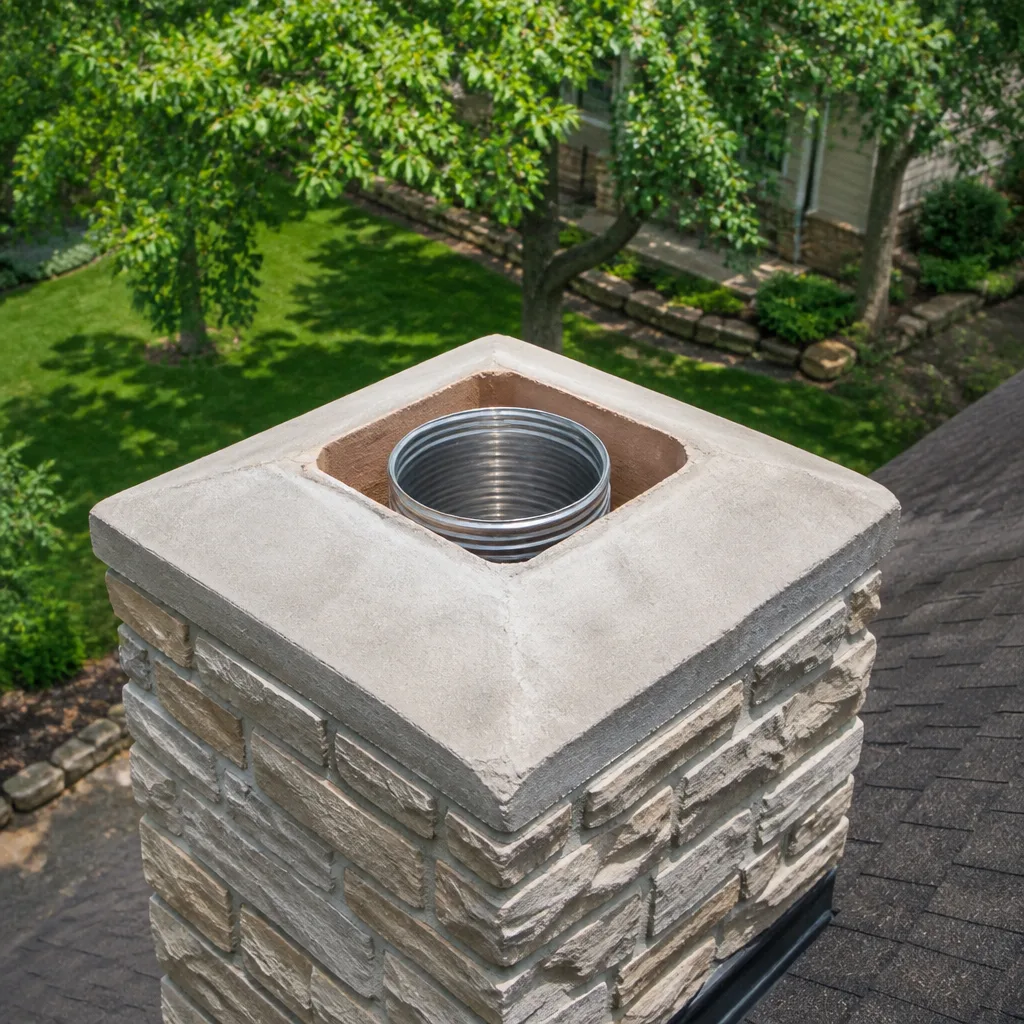 Flue relining
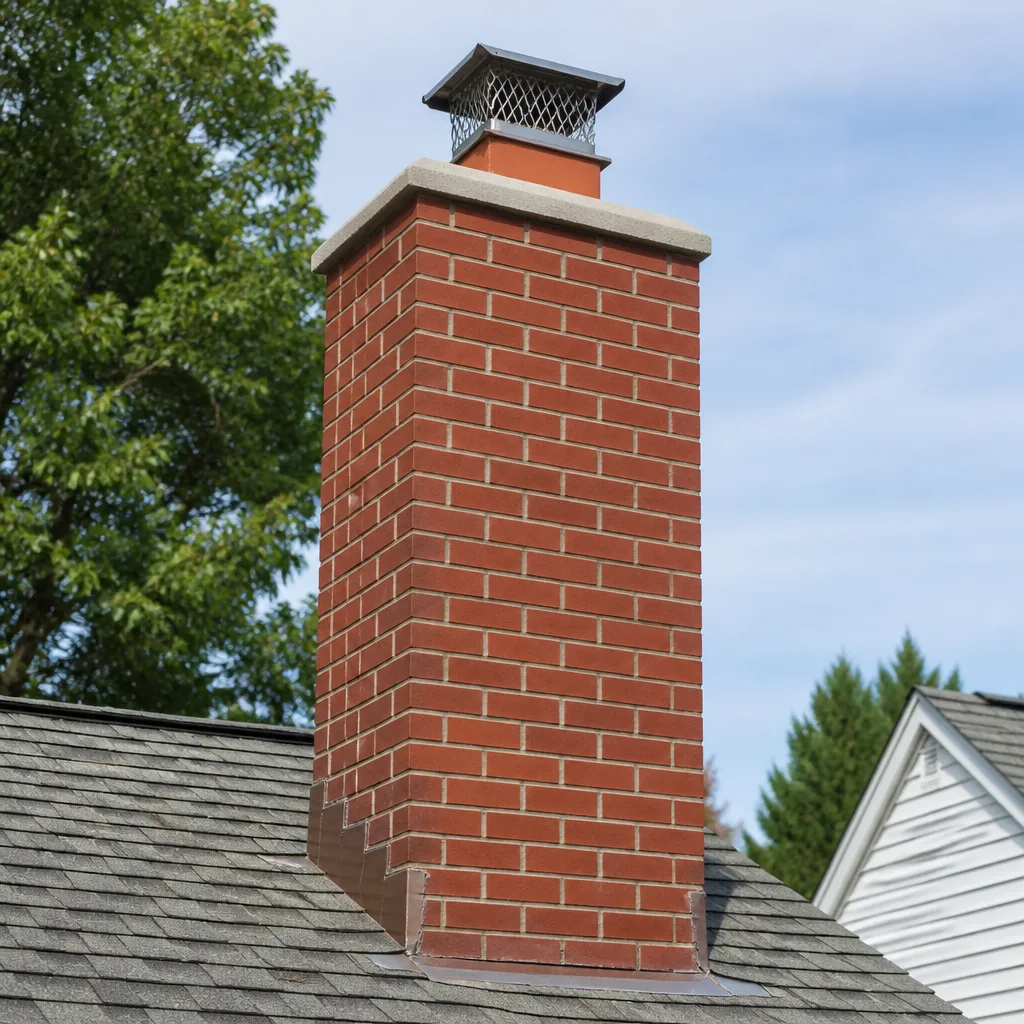 Masonry repair
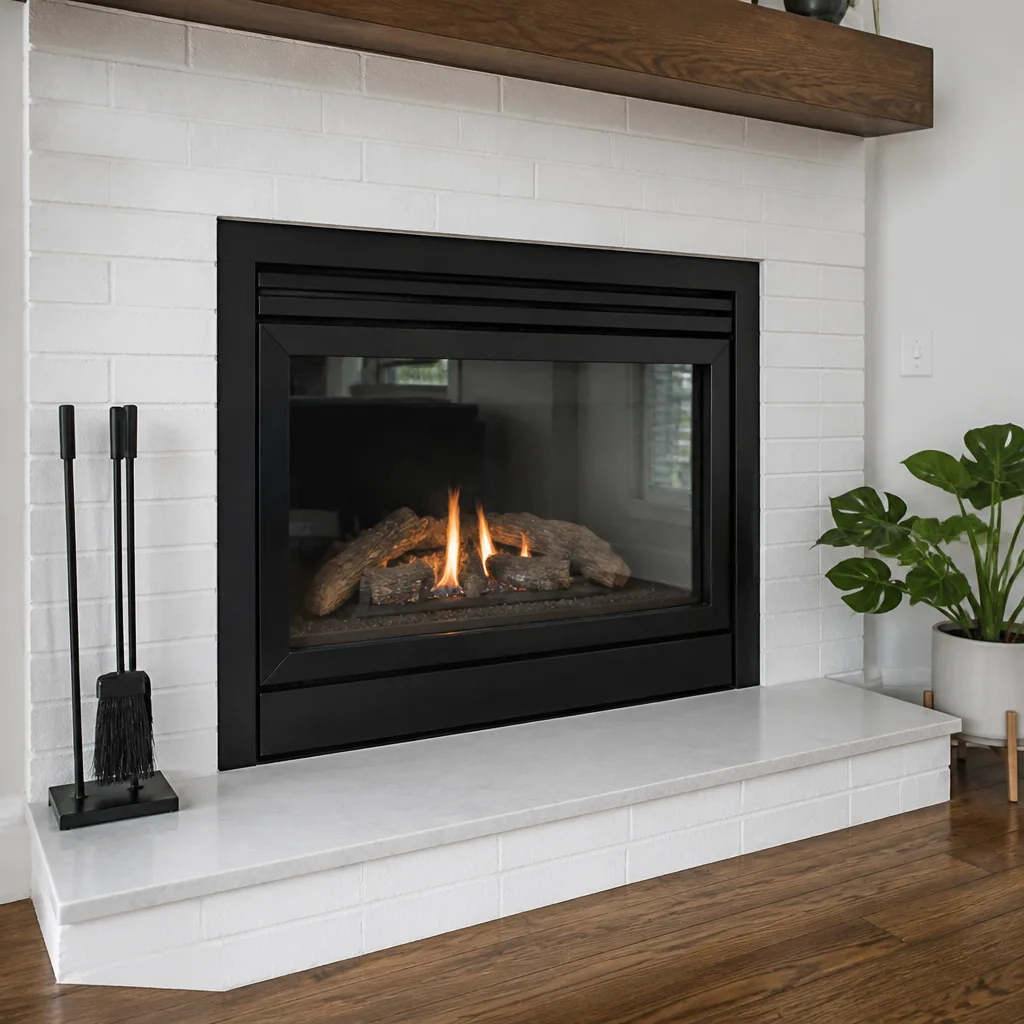 Gas fireplace service
Level 1 sweep and inspection to the NFPA 211 annual standard - flue, crown, cap, and flashing checked and photographed
Chimney sweep logs do not sweep chimneys. They loosen some creosote - which then falls where a brush and vacuum still have to collect it.
Chimney Cleaning Warning Signs: A Fox Chase Homeowner’s Reference Guide
Most chimney problems announce themselves long before anything cracks, sags, or fails. The trouble is that almost nobody knows what a healthy chimney actually looks, sounds, and smells like, so the early signals read as background noise. By the time something gets your attention, water or creosote has usually been at work inside the flue for months. That strong musty smell in July, when the fireplace has sat cold since March? That’s not the house settling. It’s creosote and moisture interacting inside a flue that may have a liner crack. This guide gives you the baseline first, then walks through exactly how each deviation from that baseline shows up on a Fox Chase home.
Quick Answer
Chimney warning signs split into two groups: schedule-a-cleaning-soon signals (heavy creosote buildup, a sooty smell, sluggish draft, a cracked crown) and stop-using-it-now signals (hissing or popping during a fire, smoke rolling back into the room, crumbling firebrick, a strong musty or sulfur odor, or visible flue damage). If you notice anything in that second group, don’t light another fire until the chimney has been inspected. Everything else can usually wait for a routine appointment, but none of it should wait a full season.
Styles & brands we work with
- Sweep & inspection
- Caps & crowns
- Flue relining
- Masonry repair
- Gas fireplace service
Table of Contents
- What a Healthy Chimney Looks, Sounds, and Smells Like in Fox Chase
- Exterior Warning Signs: Brick, Crown, and Cap
- Firebox and Smoke Chamber Warning Signs
- Operational Warning Signs During and After a Fire
- What Each Chimney Odor Is Telling You
- The Decision Framework: Clean Soon vs. Stop Using Now
- Why Fox Chase Climate Makes Some Signs Show Up Faster
- Common Mistakes to Avoid
- When to Call a Professional
- Frequently Asked Questions
What a Healthy Chimney Looks, Sounds, and Smells Like in Fox Chase
You can’t spot abnormal until you know normal. Here’s the baseline we use on every inspection in Fox Chase, and it’s worth a walk-around at home so you can compare.
Exterior baseline. Brick should look uniform in color and hard to the touch. Mortar joints should be full and firm, not sandy or recessed. The crown at the top of the chimney (the sloped concrete cap around the flue) should be smooth and continuous, with no visible seams or cracking. The cap on the flue should sit firmly, screening animals and rain out without blocking the opening. There should be no white powder on the brick and no rust streaks down the stack.
Interior baseline. The firebox should have a glossy, even finish with intact firebrick joints and no gaps or crumbled edges. The damper should open and close smoothly, with no rust or drag. The smoke chamber above the damper should be dark but fairly even, not heavily glazed or flaking. The flue should sound hollow and firm when tapped, not like a soft or scraping surface.
Operational baseline. A properly drafting chimney pulls smoke steadily up and out. You shouldn’t get smoke curling into the room when you light the fire, and the fire should catch quickly. There’s a light wood-smoke smell while the fire burns, and no strong odor once the fire is fully extinguished and cool.
Odor baseline. A cold chimney that hasn’t been used in a while may smell faintly smoky. That’s normal. What’s not normal is a strong, sharp creosote smell, a musty or damp odor, or anything sulfurous. Those three each point to a different root cause, covered further down.
Our technicians have up to 9 years of experience, and in our experience, most homeowners who call us about a “sudden” problem can usually point back to a deviation from this baseline that they noticed and dismissed. Get familiar with the baseline, and you’ll catch the deviation on its first appearance rather than its second.
Exterior Warning Signs: Brick, Crown, and Cap
The outside of the chimney takes the weather head-on, so exterior clues are often the first to appear. Here’s what each one means.
- Spalling brick. When brick faces flake, peel, or fall away, water has gotten inside the brick and is freezing and thawing within it. The brick is no longer watertight. Left alone, spalling spreads and can compromise the stack’s structural integrity.
- Efflorescence (white staining). A white, chalky powder on the brick means moisture is moving through the masonry and leaving mineral deposits behind as it evaporates. It’s a sign the chimney is wicking water, often through a failing crown, missing cap, or deteriorated mortar joints.
- Crown cracking. The crown is the concrete cap at the very top that sheds water away from the flue. When it cracks or separates from the stack, water runs straight down into the chimney interior. A cracked crown is one of the leading causes of chimney water damage and draft failure, and it’s also one of the easiest things to fix before it causes deeper damage.
- Missing or rusted cap. A chimney cap keeps rain, snow, birds, and squirrels out of the flue. A missing cap leaves the flue wide open to the weather. A rusted cap is usually a sign that the cap is at the end of its life and may also be dripping rust-stained water down the stack and onto the roof.
- Rust streaks or corrosion. Metallic staining on the brick or around the crown usually traces back to a failing cap, a rusted damper, or a metal component in the flue that has seen too much moisture.
Any of these exterior signs means water is already working on the system. None of them requires you to stop using the fireplace immediately, but they’re all worth a prompt inspection. Our chimney cap & crown work routinely addresses these exact symptoms before they get deeper.
Firebox and Smoke Chamber Warning Signs
These are the signs you see when you crouch down and look into the firebox with a flashlight. They’re easy to miss because most people only look when they’re lighting a fire.
What to look for in the firebox and smoke chamber
- White staining on the firebox or smoke chamber walls. This is usually efflorescence on the interior surface, which means moisture is present inside the chimney. It can point to a failing liner, a cracked crown, or a water leak higher up.
- Cracked, crumbled, or missing firebricks. Firebrick protects the masonry from the heat of the fire. Once firebricks crack or joints erode, heat reaches the surrounding masonry and any combustible material nearby. This is a stop-using signal, not a clean-soon one.
- Rust on the damper. The damper is a metal plate above the firebox that opens and closes to control the draft. Rust on the damper usually means moisture has been sitting in the chimney, and it can also cause the damper to stick or fail to seal.
- Dark staining above the smoke shelf. Heavy black or dark brown staining on the smoke chamber walls is a sign of creosote accumulation and, in some cases, chimney fire exposure. It deserves a close look with a camera.
- Flaking or glazed creosote on the liner wall. Shiny, bubble-like, or flaking deposits are stage-three creosote, the hardest type to remove and the most combustible. It’s a strong sign that the chimney has been burning at low efficiency or with wet wood.
Interior signs are where our inspection usually earns its keep. We use a camera to look at the flue and the smoke chamber, and we show you the footage. You should be able to see exactly what’s going on in your own chimney, not take our word for it. Our chimney repair work almost always starts with something a homeowner noticed here first. If the liner itself is deteriorating, HeatShield ceramic resurfacing can restore it without a full liner replacement, and that’s a repair most sweep-only outfits can’t offer.
Operational Warning Signs During and After a Fire
Some of the clearest chimney warnings show up only when you’re actually using the fireplace. Pay attention to how each fire behaves.
During the fire
- Poor draft or smoke that won’t go up. A chimney that drafts poorly pulls smoke slowly or not at all. It can point to a blockage, a liner problem, or a house that’s too tight for the chimney to pull properly.
- Smoke rolling back into the room. Smoke rollback during a fire is a genuine safety issue: it means combustion gases are entering the living space rather than exiting through the flue. Treat it as a stop-using sign until it’s inspected.
- Hissing or popping sounds. These usually mean there’s a chimney fire burning inside the flue, or that creosote is igniting. Get everyone out, call the fire department, and don’t use the fireplace again until a professional has inspected it.
- A roar or whooshing sound. Similar to the above: this can indicate a chimney fire in progress. Don’t assume it’s just the fire in the firebox burning well.
- Excessive or unusual smoke color. Thick, dark smoke can indicate incomplete combustion. It’s not always a problem, but combined with any other symptom it’s worth an inspection.
After the fire
- A strong smoke smell hours after the fire is out. A properly drafting chimney clears smoke as it burns. A lingering smell hours later usually means the chimney is not exhausting fully, or that creosote has built up enough to hold odor.
- Soot falling into the firebox. Soot dropping down when you open the damper is normal in small amounts. Heavy soot falling after each fire is a sign the chimney needs cleaning.
- Unusual creosote smell on a cold day. A creosote smell when the fireplace is cold is one of the most common reasons homeowners call us. It’s usually a sign that the flue needs a cleaning before the next season.
What Each Chimney Odor Is Telling You
Odor is one of the most reliable chimney warning systems, and each type says something different. Match the smell to the pattern below.
- Heavy creosote smell. Sharp, tarry, sometimes like a campfire after it’s been rained on. This points to creosote buildup in the flue. It’s the clean-soon signal, not the stop-using one, unless it’s combined with hissing or popping. It’s also the most common reason people book a chimney sweep in Fox Chase.
- Musty or mildew odor. Damp, earthy, like a basement. This points to moisture inside the chimney, usually from a cracked crown, a missing cap, a failed liner, or a water leak at the roofline. Left alone, moisture causes spalling brick, rusted dampers, and eventually liner damage. If you smell this in summer, it usually means water was inside the chimney during the winter.
- Sulfur or rotten-egg smell. This is rare in a residential chimney and deserves attention beyond the chimney itself. In most homes, it’s a sign of something else in the home, such as a gas appliance issue, and should be handled by the appropriate professional. In a wood-burning chimney, it can sometimes point to a specific liner problem, but it’s worth ruling out the alternatives first.
- A sweet or acrid chemical smell. This can point to a flue that has been exposed to high heat or creosote that is glazing. It’s worth an inspection before the next fire.
- A faint smoky smell after rain. This often means the cap is missing, damaged, or the chimney is wicking water. It’s a clean-soon-plus-inspection signal.
Olfactory warning signs are often the trigger that gets a homeowner to call us in Fox Chase. In summer, a strong chimney odor is rarely just the heat: it’s usually creosote and moisture. Our technicians can tell the difference just by walking into the room, and the inspection confirms it.
The Decision Framework: Clean Soon vs. Stop Using Now
Here’s the plain-English decision guide. Use it before you light your next fire.
Signs that mean “schedule a cleaning soon”
- Heavy creosote smell on a cold day, no other symptoms
- Soot falling into the firebox in small amounts
- Efflorescence or spalling brick on the exterior
- A cracked crown, rusted cap, or missing cap
- A slight draft issue that clears once the fire is established
- Light interior staining above the smoke shelf
Signs that mean “do not use this fireplace until it’s inspected”
- Hissing, popping, or roaring sounds during a fire
- Smoke rolling back into the room
- Cracked, crumbled, or missing firebricks
- White or chalky staining combined with a musty smell
- Visible flue damage (flaking creosote, missing liner sections, crumbling joints)
- A sulfur or rotten-egg smell you can’t trace
- Any sign that a chimney fire has already happened (dark staining combined with crackling or a roar during past fires)
If you’re not sure which category a symptom falls into, the safe default is to treat it as a stop-using sign until someone has looked. A day without a fire costs nothing. A chimney fire or carbon monoxide exposure costs much more. Our Chimney Sweep Fox Chase page gives a sense of how our whole service package fits together, from sweeping to rebuilding.
Why Fox Chase Climate Makes Some Signs Show Up Faster
Chimneys in Fox Chase see real seasonal swings, and those swings affect which warning signs appear first.
Wet winters and freeze-thaw cycles. Bricks that have absorbed water freeze and expand when temperatures drop, so spalling and crumbled mortar tend to show up first on the exterior side of the chimney that faces the weather. Efflorescence tends to be more pronounced after a wet winter, since the masonry pushes moisture through the wall as it dries out in spring.
Wet-wood season. Wood that hasn’t dried down properly produces more creosote than dry, seasoned wood. In a year with a wet fall, creosote glazing shows up faster and heavier than usual, which is why a September look inside the firebox can catch a problem before the burning season starts.
Damp spring weather. A musty smell in the living room in April and May usually traces back to moisture that entered the chimney during the winter. The thaw-and-dry cycle in spring is often when water damage that started in January finally becomes visible.
Summer humidity. Warm, humid air sitting in a cold chimney can smell stronger than a chimney in use, which is why a strong odor in July is a real signal. It’s the flue telling you it has moisture or creosote inside, not just the weather.
None of these local patterns is unique to Fox Chase, but together they mean a chimney here deserves an inspection before the burning season starts, and often again if a wet winter or a busy winter has gone by. Our chimney repair work in Fox Chase often addresses exactly this pattern.
Common Mistakes to Avoid
- Assuming a warm summer smell is just the heat. A strong odor in July, when the fireplace has been cold for months, usually points to creosote or moisture in the flue. Treat it as a warning, not a quirk.
- Painting over efflorescence. Paint traps moisture inside the brick, which accelerates spalling and drives the problem deeper. Find the water source first.
- Skipping the inspection because a cleaning was recent. A cleaning removes creosote, but it doesn’t check the liner, the crown, the cap, or the smoke chamber. These are separate checks, and they’re the ones that catch structural problems.
- Replacing a cap yourself without checking the flue. A missing or rusted cap is a warning that the flue has already been exposed. Installing a new cap fixes one problem but doesn’t address what water may have done inside.
- Burning “seasoned” wood without checking it. Wood that has been stacked but not dried properly still produces heavy creosote. Test your firewood before the season starts.
- Ignoring a slight draft issue. A chimney that drafts a little poorly early in the season almost always drafts worse by the end. It’s usually a sign of a blockage or liner problem that will only get worse.
- Using the fireplace after a chimney fire without an inspection. A chimney fire can damage a liner in ways that aren’t obvious from the firebox. Get it checked before the next fire.
- Treating a musty smell with air fresheners. Air fresheners mask the smell but don’t address the moisture. The moisture continues to damage the chimney from the inside out.
When to Call a Professional
Call a professional for an inspection if you’re seeing any stop-using sign, if you haven’t had the chimney inspected in a year or more, or if you’re about to buy a home in Fox Chase and don’t have a chimney report from the seller. Call for a cleaning if you’re seeing the clean-soon signs and the burning season is coming. And call if you just aren’t sure: it’s cheaper to have someone look than to guess wrong about a chimney.
Our role at Chimney Sweep Fox Chase is to tell you what we found, what it means, and what fixing it actually involves. We’ll show you the inside of the chimney on camera so the call is yours, not ours. From your first sweep to a full rebuild, one company handles it. We work with professional-grade materials from brands like DuraFlex, HeatShield, Gelco, Olympia Chimney, Famco, and Copperfield, which means the parts and materials on your chimney are the ones chimney specialists rely on, not big-box substitutes. Chimney Sweep Fox Chase offers free estimates in Fox Chase. Call (844) 526-7704. We answer 24/7. Fast dispatch from 7am to 7pm, Sunday through Friday.
Frequently Asked Questions
The first sign is usually an odor: a strong creosote smell on a cold day, or a musty smell in the living room in summer. Both point to creosote or moisture in the flue, and both are worth a prompt inspection. Call (844) 526-7704 for an exact quote if you’re seeing either one.
A cleaning is for creosote and soot buildup in the flue; a repair is for damage to the brick, crown, cap, liner, or firebox. A chimney inspection tells you which one you need. Most cleanings are routine, while most repairs start with a specific sign: a cracked crown, spalling brick, a rusted damper, or visible flue damage. Call (844) 526-7704 for an exact quote.
A musty smell is a sign of moisture inside the chimney, which can lead to spalling brick, rusted components, and liner damage over time. It’s not an immediate safety emergency, but it should be checked before the next burning season. Call (844) 526-7704 for an exact quote.
A chimney fire usually leaves a sharp, acrid, or heavy burned creosote smell, often combined with dark staining on the smoke chamber walls. A hissing or popping sound during the fire, followed by a heavy smell afterwards, is a strong sign of a recent chimney fire. Don’t use the fireplace again until it’s been inspected. Call (844) 526-7704 for an exact quote.
A cracked crown is a water-entry problem, not usually an immediate fire-safety problem, but it should be repaired before the next freeze cycle. Water entering through a cracked crown can cause spalling brick, rusted dampers, and liner damage. Get it inspected before the burning season. Call (844) 526-7704 for an exact quote.
An annual inspection is the general recommendation for any chimney in regular use, and it’s especially worth doing before the burning season in Fox Chase, given the wet winters and freeze-thaw cycles. A camera inspection tells you what’s actually happening inside the flue, so the cleaning or repair call is based on evidence. Call (844) 526-7704 for an exact quote.
The Bottom Line
A healthy chimney looks, sounds, and smells a specific way. Spalling brick, a cracked crown, rust on the damper, white staining in the firebox, and a heavy creosote or musty odor are all deviations from that baseline, and each one points to a specific problem. Some mean “schedule a cleaning soon.” Others mean “don’t light another fire until it’s inspected.” If you’re not sure which group a symptom belongs in, treat it as the second one until a professional has looked. Chimney Sweep Fox Chase offers free estimates in Fox Chase, and we’ll show you what we found on camera before recommending anything. Call (844) 526-7704. We answer 24/7. Fast dispatch from 7am to 7pm, Sunday through Friday.
Written by the team at Chimney Sweep Fox Chase.
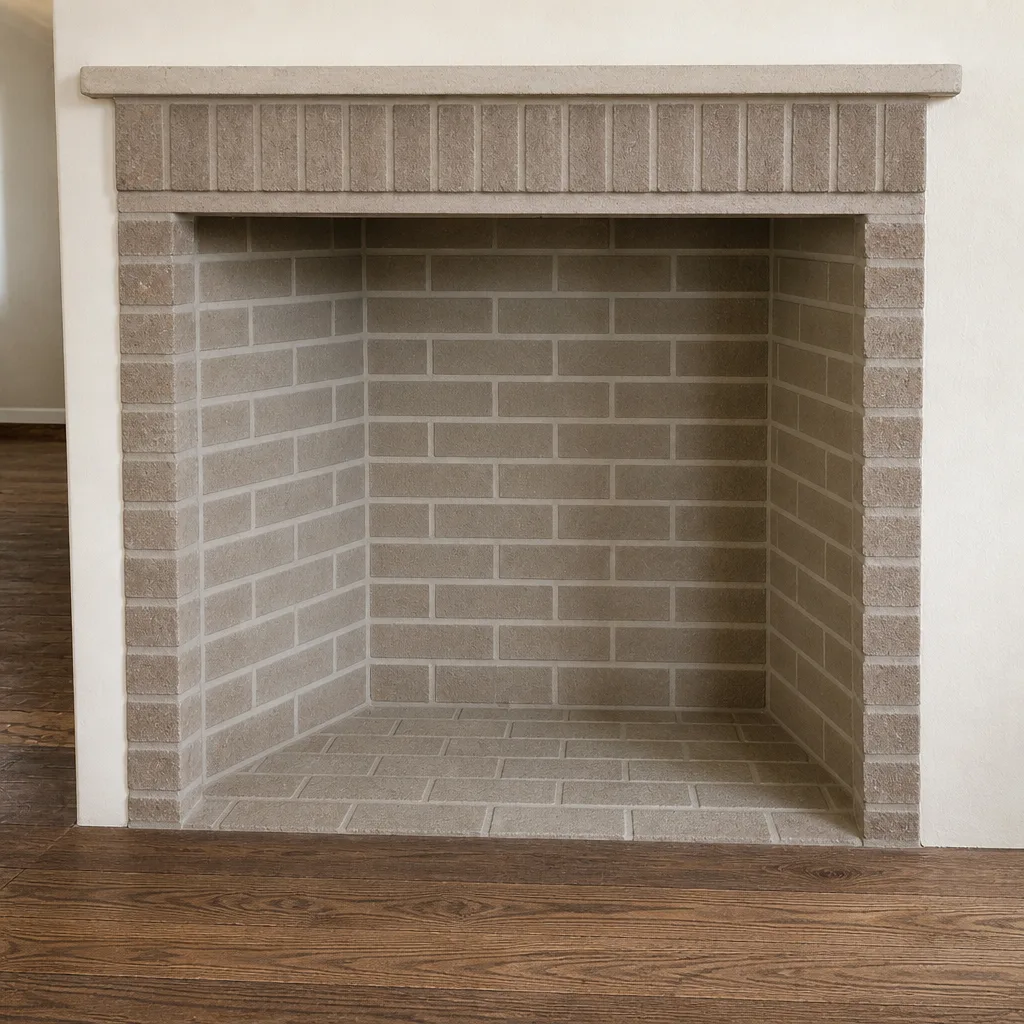
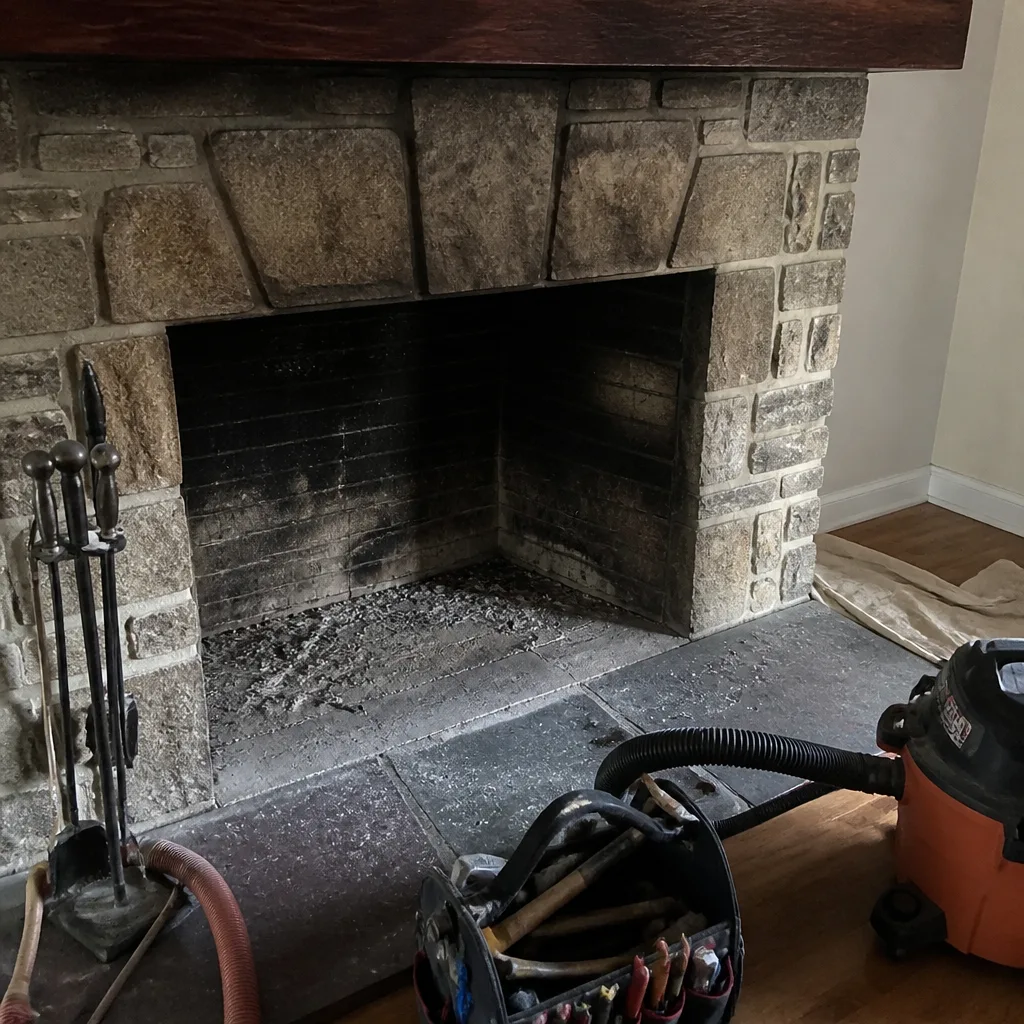
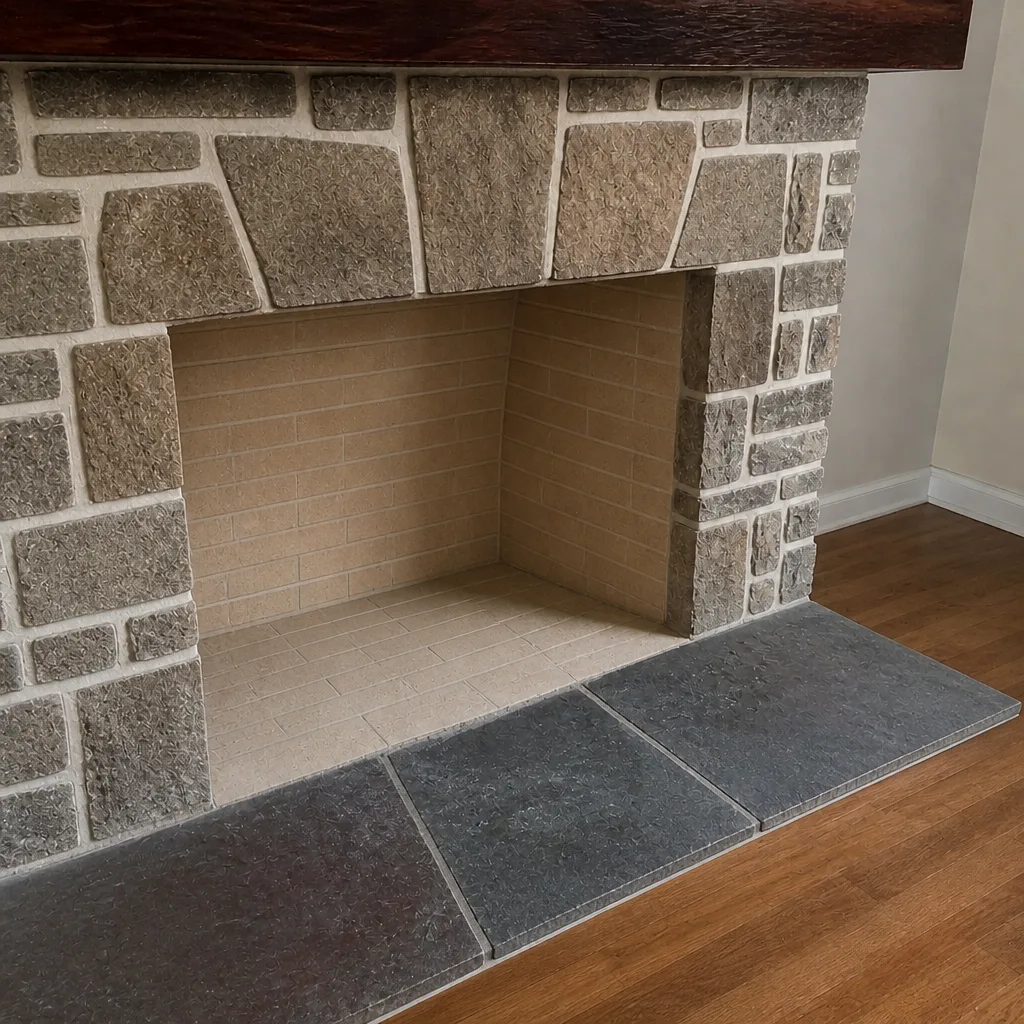
See the difference
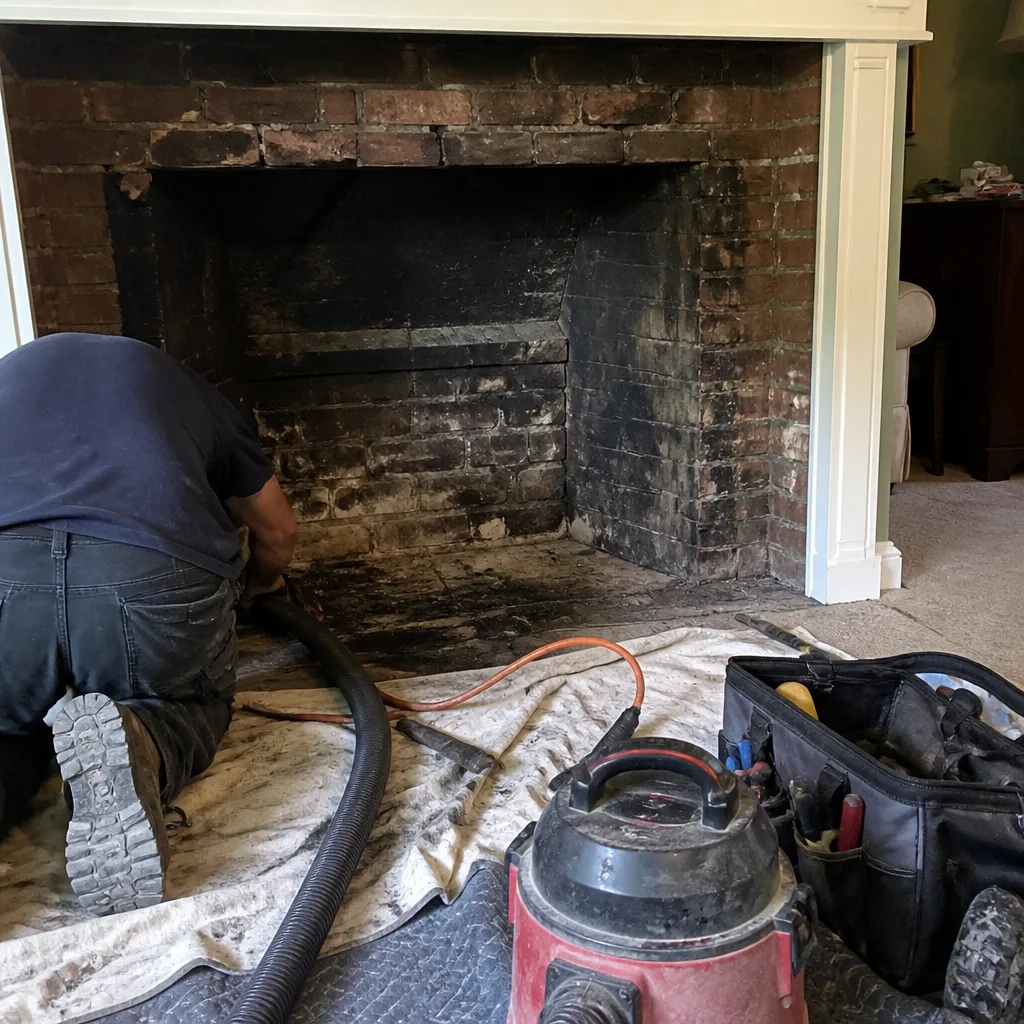 Before
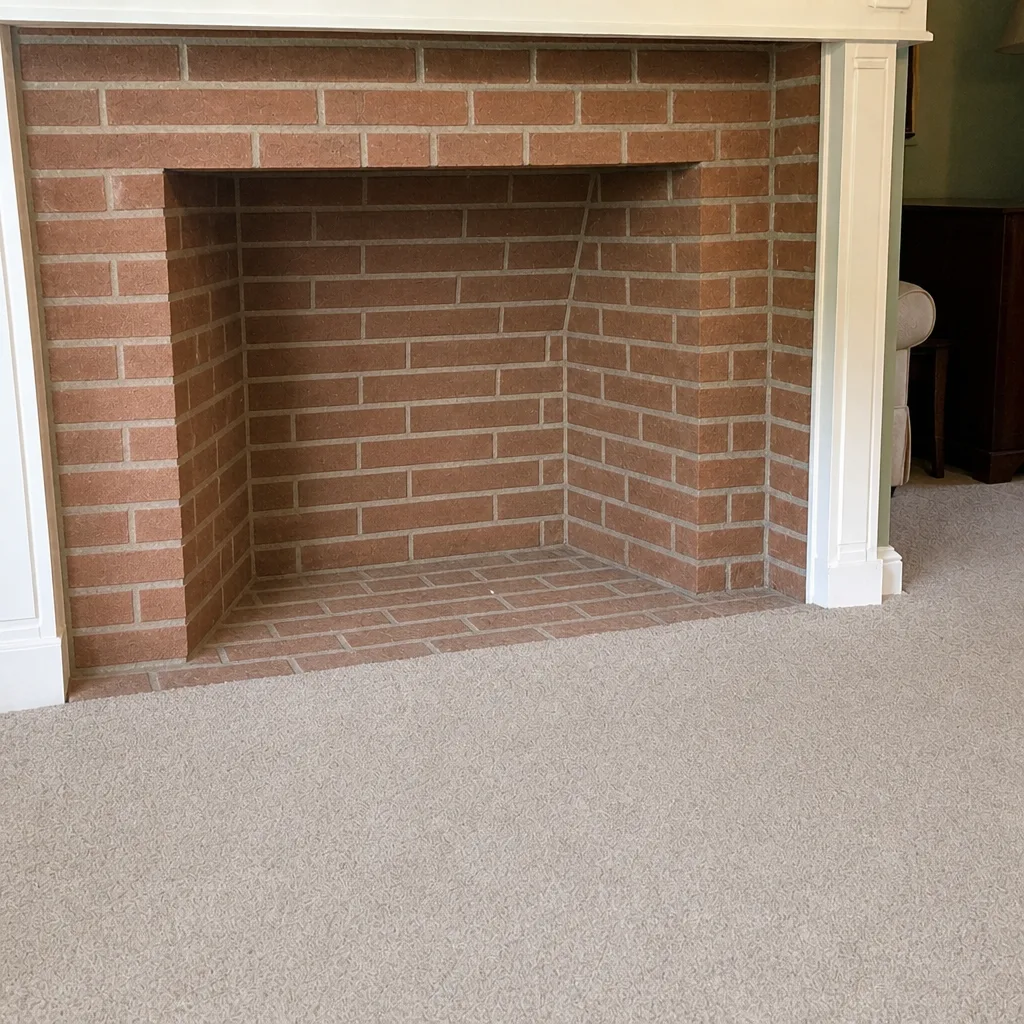 After
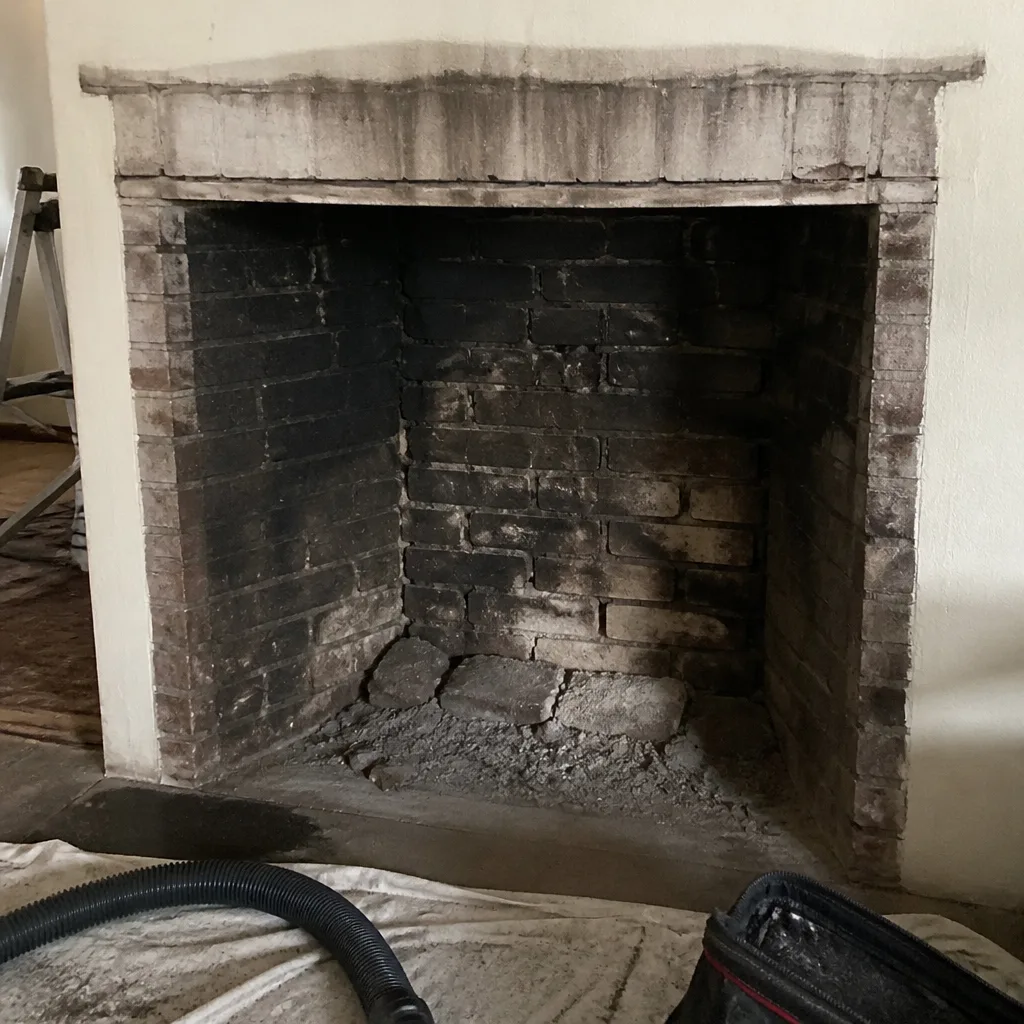 Before
 After
 Before
 After