
Last updated November 22, 2026
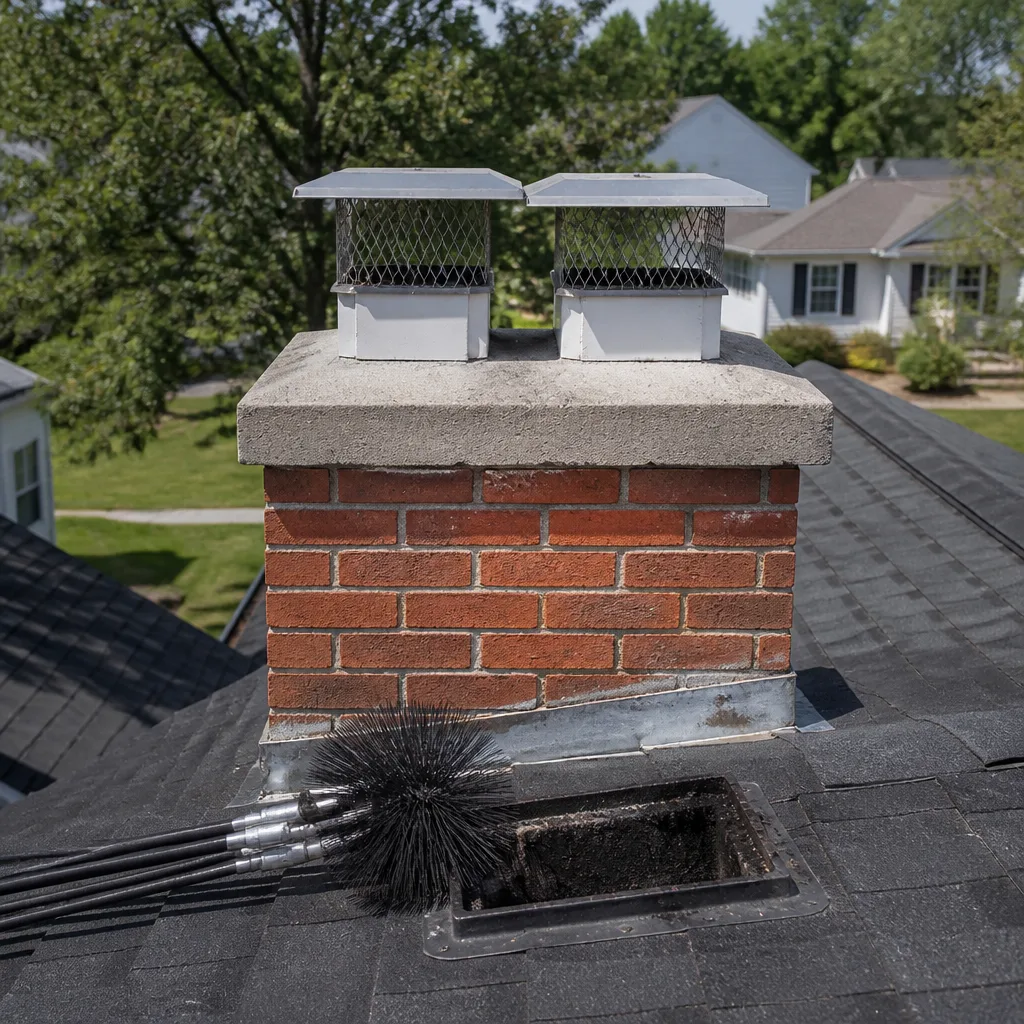 Sweep & inspection
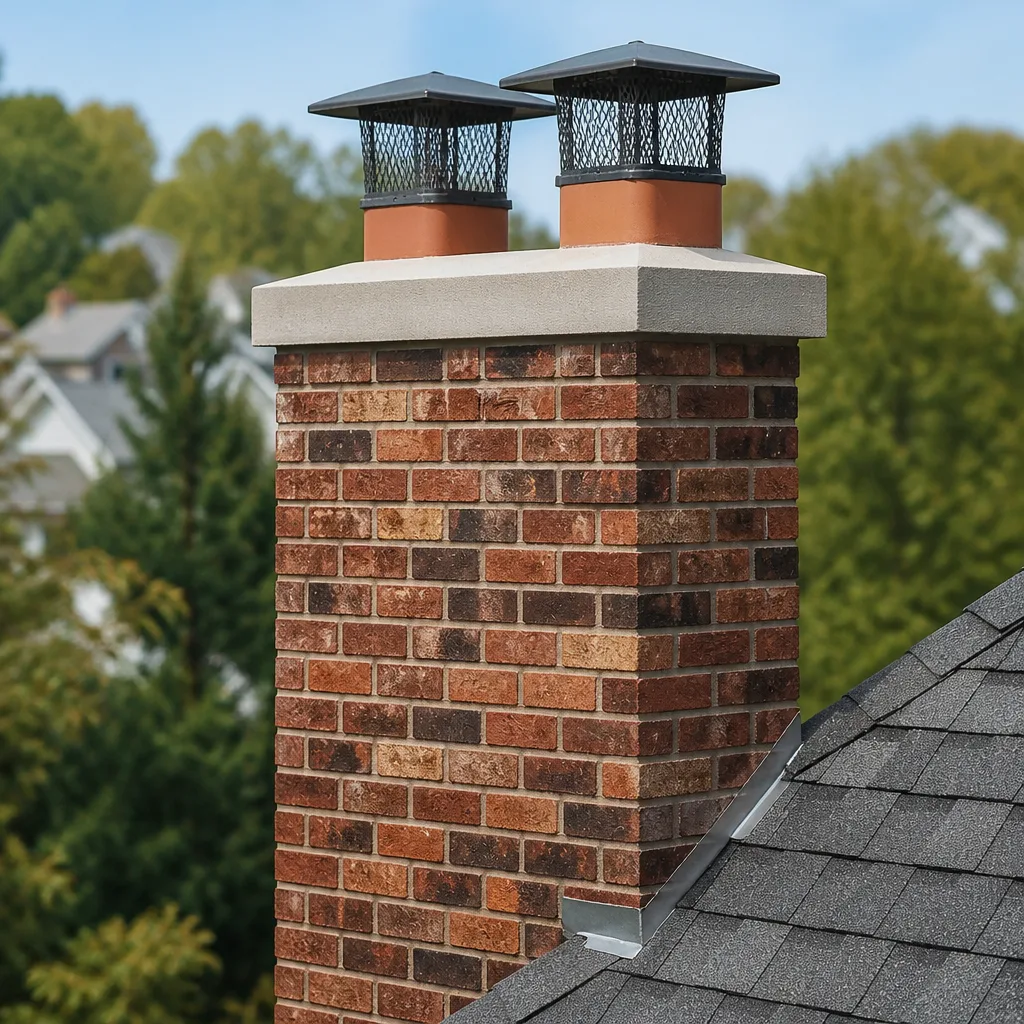 Caps & crowns
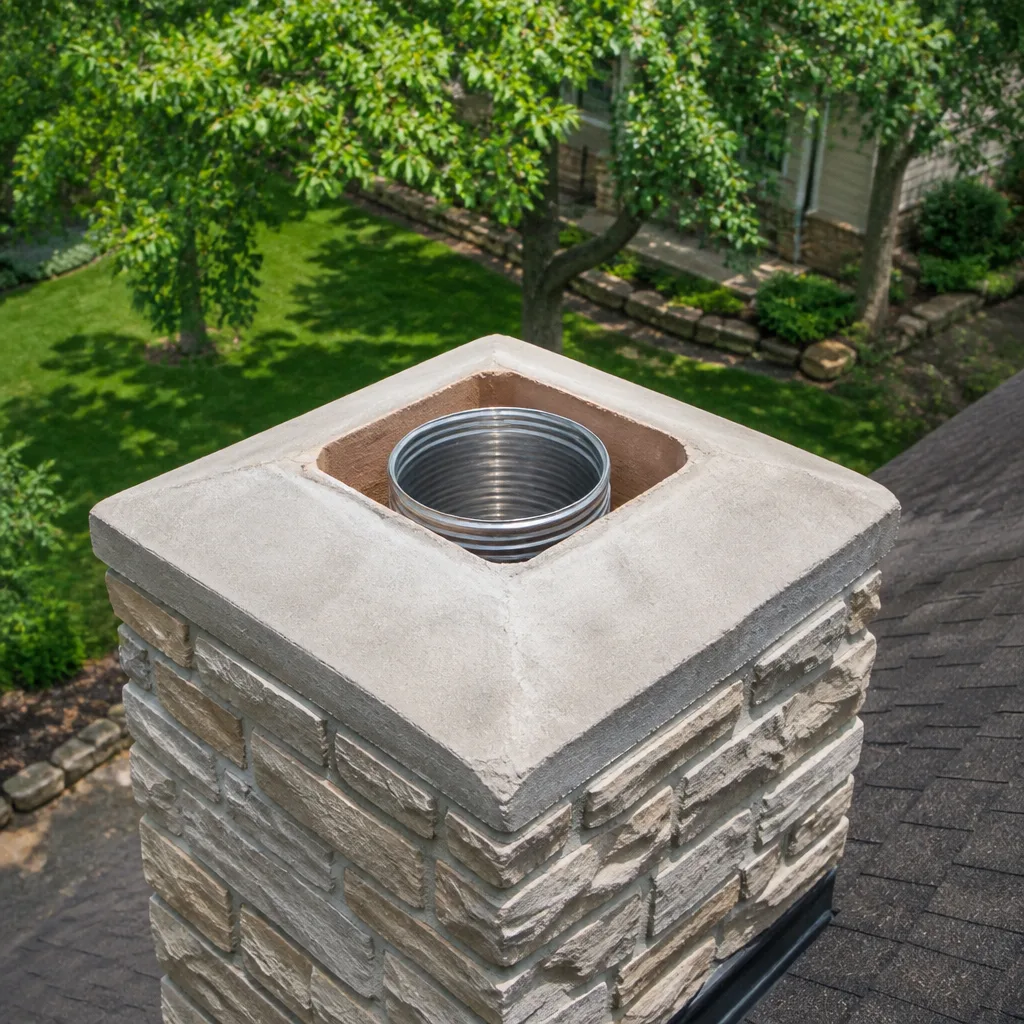 Flue relining
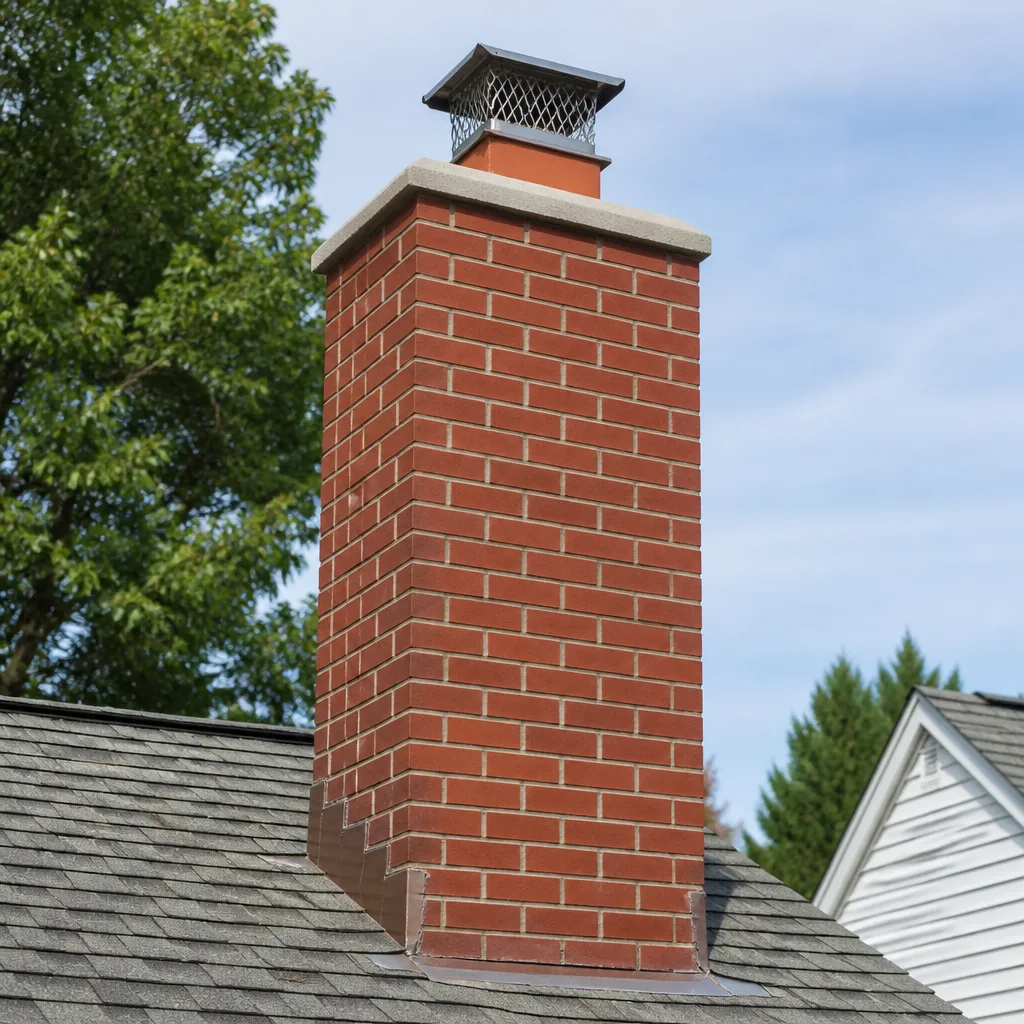 Masonry repair
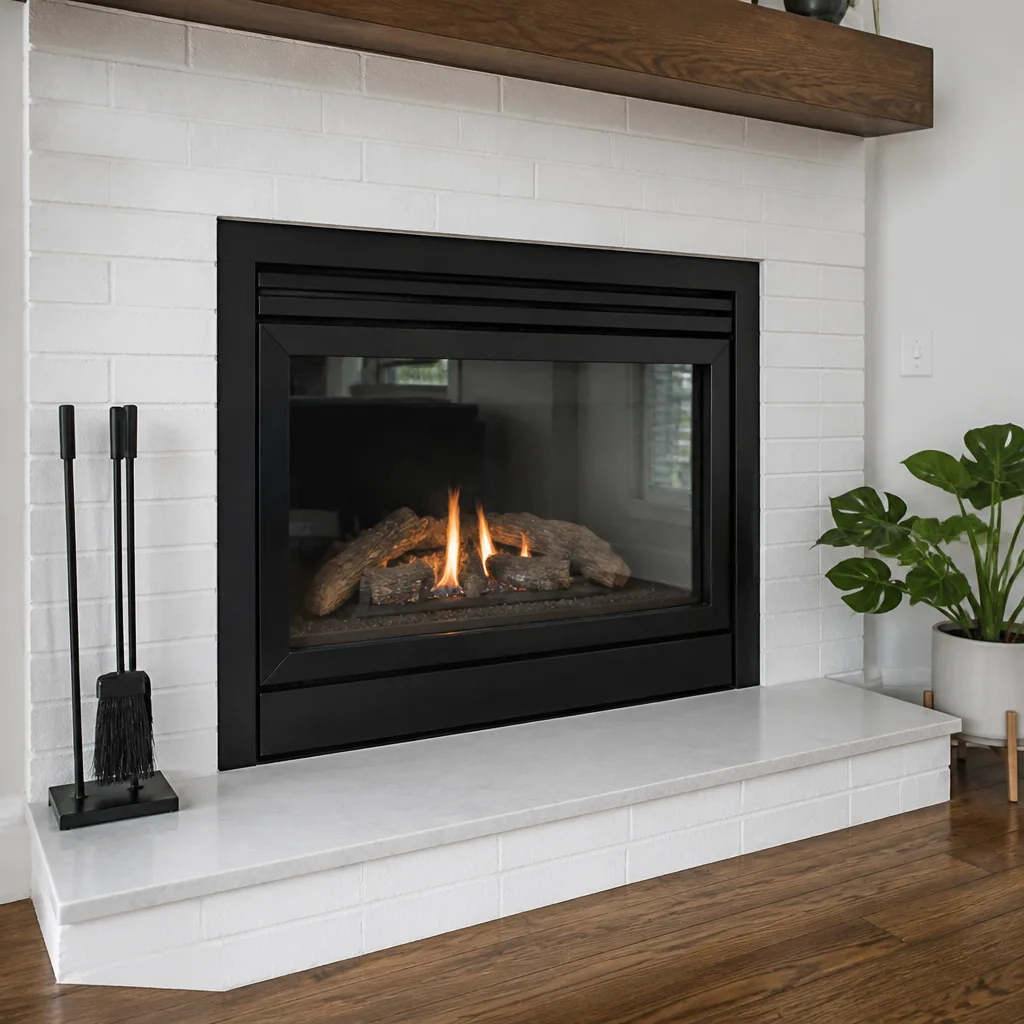 Gas fireplace service
Level 1 sweep and inspection to the NFPA 211 annual standard - flue, crown, cap, and flashing checked and photographed
Chimney sweep logs do not sweep chimneys. They loosen some creosote - which then falls where a brush and vacuum still have to collect it.
DIY vs Professional Chimney Cleaning: The Fox Chase Homeowner’s Decision Guide
Chimney cleaning brush kits sell online for the price of a decent pair of work gloves, and a determined homeowner can physically run one up a flue. That part isn’t in dispute. What no brush kit on the market gives you is the ability to assess what the brush just touched. Was that smear stage-one creosote, the soft soot that vacuums away, or stage-three glazing, the hardened fuel that sits in a flue and waits for a hot enough fire? Was that scraping sound loose debris, or a cracked tile shifting under the bristles? In Fox Chase, where masonry chimneys in older homes are the norm, that distinction is the whole ballgame. This guide draws the line precisely: what you can genuinely handle, what needs a camera and professional tools, and how to run smart DIY maintenance alongside an annual professional sweep.
Quick Answer
A Fox Chase homeowner can safely clear the firebox, clean the accessible damper, inspect the crown and cap from the ground, and keep the hearth area free of clutter. What you can’t do reliably is assess creosote stage, inspect the flue interior for cracked tiles or gaps, scrape the smoke chamber, or reach the roof safely. Skip the professional sweep and you risk undercleaning stage-two or stage-three creosote you mistook for ordinary soot, which is how chimney fires start. A yearly professional sweep paired with smart DIY between visits is the combination that protects the system.
Styles & brands we work with
- Sweep & inspection
- Caps & crowns
- Flue relining
- Masonry repair
- Gas fireplace service
Table of Contents
- What a Fox Chase homeowner can safely do between sweeps
- What genuinely requires professional equipment and training
- The creosote stage problem: the misidentification that starts chimney fires
- The real cost of DIY mistakes in Fox Chase homes
- How to use DIY maintenance intelligently alongside annual service
- How often does a Fox Chase chimney actually need cleaning?
- What a professional sweep involves, step by step
- Common mistakes to avoid
- When to call a professional
- Frequently asked questions
What a Fox Chase homeowner can safely do between sweeps
Be honest with yourself about the line: DIY chimney maintenance works right up to the firebox opening. Everything you can reach without climbing, leaning over a flue in the dark, or guessing at damage is fair game, and doing it well actually makes the professional sweep more effective because you’re clearing loose ash and debris before the technician arrives.
Here’s what’s genuinely reasonable for a capable homeowner to handle:
- Firebox clearing. Scoop out ash and leftover combustion debris, working with a metal dustpan into a steel container with a lid. Cold ash, not warm. Wait at least 24 to 48 hours after the last burn before you touch anything, because ash beds can shelter live embers for hours.
- Damper check and light cleaning. Open and close the damper by hand and feel for binding, rust or a damper that won’t sit flat. Wipe the damper plate with a stiff brush and a vacuum rated for fine ash. A damper that sticks open or won’t close tightly is a draft problem you should report, not force.
- Exterior crown and cap inspection. From the ground or a stable ladder at roof eave level, look up at the crown around the flue outlet. Check for visible cracking, spalling, or a chimney cap that’s missing, bent or blocked by debris. Never climb onto the roof to inspect these yourself, because roof work is where homeowner injuries actually happen.
- Hearth and clearance. Keep furniture, rugs, firewood and decorations a safe distance from the hearth opening, and sweep ash and soot off the hearthstone regularly. Store firewood outdoors or well away from the chimney structure.
- Log the burn. Note how much you burn, whether the wood is seasoned, and any changes in draft, smell, or smoke coming back into the room. That log is genuinely useful data for the technician at your next annual sweep.
None of these tasks involve a brush running up a flue blind. That’s the boundary, and it’s not about your skill level. It’s about what you can see and confirm with your own eyes.
What genuinely requires professional equipment and training
Some chimney work isn’t a question of being handy. It’s a question of equipment and training you don’t have in a homeowner’s toolbox, and no amount of YouTube watching changes that. In our experience the four categories below are where DIY cleaning goes wrong quietly, over seasons, before anyone notices.
- Flue camera inspection. A chimney camera travels down the flue and shows the tile joints, cracks, gaps and creosote glazing that no brush and flashlight can reveal from the firebox opening. Hairline cracks in clay tiles, offsets, and liner gaps sit out of sight of anyone looking up from below.
- Smoke chamber scraping. The smoke chamber, the sloped section between the firebox and the flue, collects hardened creosote and soot that a consumer brush can’t reach. Proper scraping takes specialty tools and years of practice to do without damaging the corbeled masonry.
- Creosote stage assessment. This is the biggest gap. A homeowner can knock off stage-one soot and feel like the flue is clean. Stage-two and stage-three creosote look different under proper lighting at depth, and they need professional removal, not a consumer brush.
- Any roof work. Walking a roof, removing and reseating a cap, inspecting the crown up close, and working at a flue outlet all involve fall risk. No homeowner should be up a ladder on a wet or icy roof, and most of Fox Chase’s roof slopes and older rooflines aren’t forgiving.
When a professional sweep arrives, the work is scoped correctly. A chimney sweep includes the firebox, damper, flue, smoke chamber and a look at the cap and crown as part of the service. That’s the whole system, not just the part you can reach from the hearth.
The creosote stage problem: the misidentification that starts chimney fires
Here’s the part of DIY cleaning that causes the most trouble, and it has nothing to do with brush technique. It has to do with what the brush doesn’t remove. Creosote forms in three recognizable stages, and a homeowner running a consumer brush can knock back stage one without ever touching stages two and three.
| Stage | What it looks like | What removes it |
|---|---|---|
| Stage 1 | Soft, flaky, dark gray soot that brushes off and vacuums easily | Consumer brush and vacuum |
| Stage 2 | Hard, shiny, black crust with a semi-brittle surface; scrapes off in flakes | Professional brushes and scrapers |
| Stage 3 | Glazed, hardened, dense fuel bonded to the flue wall like glass | Professional removal, sometimes chemical treatment |
You can see the shape of the problem. Stage-one creosote comes off with consumer gear. Stages two and three don’t, and they look similar enough in a low-light photo that a homeowner could reasonably believe the flue is clean when it isn’t. The consequences aren’t hypothetical: chimney fires in older Fox Chase homes often trace to accumulated creosote that was never fully removed because nobody assessed the stage correctly.
That’s why a professional sweep isn’t just about the brush. It’s about the assessment at the top of the flue, the mid-flue, and the smoke chamber. Our technicians have up to 9 years of experience with these stages, and they can tell you what they found, what it means, and what fixing it actually involves. Where the flue lining is deteriorating, we use HeatShield ceramic resurfacing to rebuild the liner surface, and DuraFlex flexible liner systems for code-compliant relining of existing masonry chimneys. Both are options a sweep-only outfit usually can’t offer.
The real cost of DIY mistakes in Fox Chase homes
The costliest DIY mistake we see isn’t a brush damaged by a hard flue. It’s a homeowner who cleaned the flue correctly, ran a full heating season through a system with an unnoticed cracked liner tile, and only learned about it at the next inspection. That crack in the flue tile lets carbon monoxide and combustion gases seep through masonry joints and into the house, and it doesn’t announce itself. No smell, no visible smoke, no early warning. The season runs fine right up until it doesn’t.
The same pattern shows up in other ways:
- Smoke chamber left alone. A homeowner cleans the firebox and the visible flue but never touches the smoke chamber. Hardened creosote there is a real chimney-fire fuel load, and it builds season by season.
- Cracked tile hidden behind soot. A clay tile that’s cracked or spalled looks like every other tile in a flashlight beam. A camera reveals the crack; a flashlight doesn’t.
- Cap damage unnoticed. A missing or blocked cap lets water in and lets birds and debris settle, which is why chimneys in this region see so much water-related masonry damage. chimney cap & crown services address the leading causes of water damage and draft failure, and the crown is one of those.
- A leak misdiagnosed as a leak. Water stains around the hearth get treated with a tube of caulk when the actual problem is a failed crown or flashing. The water keeps coming and the masonry keeps absorbing it.
In our experience, the pattern isn’t a dramatic DIY failure. It’s quiet missed damage that compounds over a heating season or two. The fix costs more the longer it sits, and a professional annual sweep catches it while it’s still small. Any real repair recommendation comes with camera evidence you can review, and we’ll tell you plainly when work can safely wait.
How to use DIY maintenance intelligently alongside annual service
The smart way to think about this is division of labor. You handle what you can actually see and reach, and you monitor for changes. The professional handles what requires instrumentation, tools, and time at flue depth. Between those two roles, the system stays in good shape without you guessing.
Between professional visits, the homeowner’s job is monitoring and reporting:
- Clear the firebox and clean the accessible damper as we described above.
- Watch the draft. Does smoke roll back into the room when you first light a fire? Harder to start, weaker draw, or a “smell” when the chimney is unused all point to a problem worth flagging.
- Check the cap and crown visually from the ground each autumn.
- Note any water stains, crumbling mortar, or a stain on the chimney breast inside the house.
- Report anything you notice at the next sweep, including creosote smoke smell between burns.
At the annual professional sweep, the technician handles what you can’t:
- Camera inspection of the full flue, tile joints and gaps.
- Creosote stage assessment with proper lighting.
- Removal of stages two and three, and smoke chamber scraping.
- Roof-level inspection of the cap, crown, and flashing.
- Report on anything found, with camera evidence you can see for yourself.
If repairs are needed, they go on the same relationship. This is why the full-service model matters here in Fox Chase. A chimney repair is a different company for a sweep-only outfit, and coordinating between them means another estimate, another wait, another set of hands on the chimney. From your first sweep to a full rebuild, one company handles it. We carry Olympia Chimney and Copperfield in the toolkit for liners and caps, and those are the brands professionals trust rather than big-box substitutes.
How often does a Fox Chase chimney actually need cleaning?
For most Fox Chase homeowners who use the fireplace regularly, once a year is the working answer. A chimney should be swept when creosote reaches roughly an eighth of an inch on the flue wall, and gauging that depth from the firebox opening isn’t something a homeowner can do reliably. The annual sweep is the benchmark that keeps anyone from guessing.
Some homes need more frequent service:
- Homes burning unseasoned or green wood produce more creosote per cord, so the buildup reaches the threshold faster.
- A fireplace used several times a week in the cold months will accumulate more than an occasional weekend fire.
- Older Fox Chase masonry chimneys with clay tile liners need more careful annual inspection because the tiles themselves are more likely to have cracked over time.
- Any chimney that shows a symptom (draft trouble, smoke smell, water stains) needs an inspection now, not next season.
The practical way to set your rhythm: an annual sweep each autumn, before the first fire, keeps creosote from accumulating for a full heating season. This region’s winters are cold enough that a fireplace runs hard, and the whole point of fall cleaning is to burn a whole season on a clean flue. If you call mid-season because something feels wrong, that’s worth doing too. We answer 24/7, with fast dispatch from 7am to 7pm, Sunday through Friday.
What a professional sweep involves, step by step
If you’re deciding whether to hire a professional, it helps to know exactly what a professional sweep does. It isn’t a brush up the flue and a wave goodbye. For a full-service company, the sweep is a whole-system inspection with cleaning and a written report at the end.
- Setup and drop cloths. The work area around the hearth is covered and plasticized so no soot reaches the living room.
- Firebox and damper cleaning. Ash and debris are removed and the damper is cleaned and tested.
- Flue cleaning with proper brushes. The technician uses the correct brush type for the flue size, and rods from the bottom or roof as the layout allows.
- Smoke chamber scraping. The sloped section behind the damper is scraped where it needs it.
- Camera inspection. The technician sends a camera down the flue and records the tile joints, cracks and gaps.
- Roof-level check. Cap, crown, and flashing are inspected where safe access allows.
- Written report. You get the findings, with the camera evidence, and a clear recommendation on anything that needs work.
A sweep should include all of the above as standard, with a flat price agreed before booking, not a menu that adds line items after the technician starts. The camera inspection and photo report are included because the camera is the whole reason a professional is worth the call. A sweep-only outfit checks the part you could check yourself.
Common Mistakes to Avoid
- Mistaking stage-one soot for a clean flue. Knocking off the visible soot and stopping is how undercleaned stage-two creosote gets left in place for another season. If you’re brushing at all, the brush doesn’t tell you where stage two starts.
- Cleaning while ash is still warm. Ash beds retain heat and embers for hours. Wait 24 to 48 hours after the last fire before you touch the firebox, and never vacuum warm ash.
- Climbing the roof for the crown and cap. Every season we lose count of homeowner fall injuries that started with a five-minute roof inspection. Use binoculars from the ground or a stable ladder at the eave. The roof is the professional’s job.
- Ignoring a draft change because the fire still lights. A draft that’s harder to establish or smoke that rolls back into the room means the flue or chimney is telling you something. Flag it, don’t ignore it.
- Caulking a leak instead of finding it. Water around the hearth gets treated with caulk when the real culprit is a cracked crown or failed flashing. The leak finds another path the next rain.
- Skipping the camera because “the sweep sounded fine.” A brush that sounds okay in the flue tells you nothing about a cracked tile joint out of sight. The camera is the only real check.
- Treating the annual sweep as optional in a hard-burn winter. A fireplace used several nights a week builds creosote faster than a weekend fire. In this region’s cold winters, annual cleaning is the baseline, not a luxury.
When to Call a Professional
Call a professional, don’t DIY, in these situations: you smell creosote or smoke between burns; smoke rolls back into the room; the damper sticks or won’t close; you see water stains, crumbling mortar or a stain on the chimney breast; you’ve burned unseasoned wood for a season; the crown or cap is visibly damaged; or it’s been more than a year since the last sweep. Any of these means a camera inspection, and none of them can be answered from the firebox opening. If you’re not sure, an inspection is the low-risk answer.
Chimney Sweep Fox Chase offers free estimates in Fox Chase. Call (844) 526-7704. Estimates are free, and the price you get is per job by written estimate, agreed before any work is booked. A flat sweep price is set before the technician arrives. For a full-scope annual service with camera inspection and photo report included, that’s the standard visit. From the firebox to the crown, we work through the whole system and tell you what we found.
Frequently Asked Questions
You can clear the firebox, clean the accessible damper, and inspect the crown and cap from the ground, but you can’t safely or reliably assess creosote stage, inspect the flue for cracked tiles, or reach the roof. The brush runs fine up the flue; the judgment about what it touched is where DIY cleaning falls short. Call (844) 526-7704 to book a professional sweep that includes a camera inspection.
A standard sweep is priced per job by a written estimate given before booking, so you know the cost before the technician starts. The estimate is free, and there’s no surprise line item after the work begins. Call (844) 526-7704 for an exact quote.
Most homes burning regularly need it once a year, ideally in the fall before the first fire. Homes that burn heavily or use unseasoned wood should be swept sooner, since creosote builds faster. Call (844) 526-7704 to schedule the annual sweep.
Creosote accumulates past the safe threshold, and stage-two or stage-three buildup becomes chimney-fire fuel. A missed cracked flue tile can also let combustion gases seep into the house through masonry joints for a full season. Both problems are cheap to catch at a sweep and expensive to fix once they’ve done damage. Call (844) 526-7704 to book an inspection.
Only if the camera shows the existing liner is cracked, spalled or failing. A camera inspection and photo report come before any recommendation, and the technician will show you what was found. Some liners are repairable with HeatShield resurfacing rather than a full replacement; DuraFlex flexible liners are used when the liner is genuinely gone. Call (844) 526-7704 for an assessment, and we’ll tell you plainly when work can safely wait.
No. The lighting is wrong, the angle is wrong, and the depth is beyond what a phone light shows. Creosote glazing and hairline tile cracks don’t show up in a phone flashlight view from the firebox. A professional flue camera reveals what’s actually in the flue. Call (844) 526-7704 to schedule the inspection.
The Bottom Line
DIY chimney maintenance is worth doing, but it stops at the firebox opening. Clear the firebox, clean the accessible damper, check the crown and cap from the ground, keep the hearth clear, and log what you burn. Then let a professional handle the camera inspection, creosote stage assessment, smoke chamber scraping and roof-level work, because those are the parts a consumer brush can’t do. The creosote stage problem is the heart of it: misidentifying stage-two or stage-three buildup as stage-one soot is how chimney fires start. In Fox Chase, with its older masonry chimneys and hard-burning winters, an annual professional sweep is the safe baseline. Chimney Sweep Fox Chase handles the full spectrum, from sweeping to HeatShield liner resurfacing and DuraFlex relining, so nothing needs coordinating between two companies. We use professional-grade materials, the same brands chimney specialists rely on.
Call (844) 526-7704 for a free estimate. We answer 24/7. Fast dispatch from 7am to 7pm, Sunday through Friday. An exact quote is set per job by written estimate, and camera evidence comes with the report.
Written by the team at Chimney Sweep Fox Chase.
See the difference
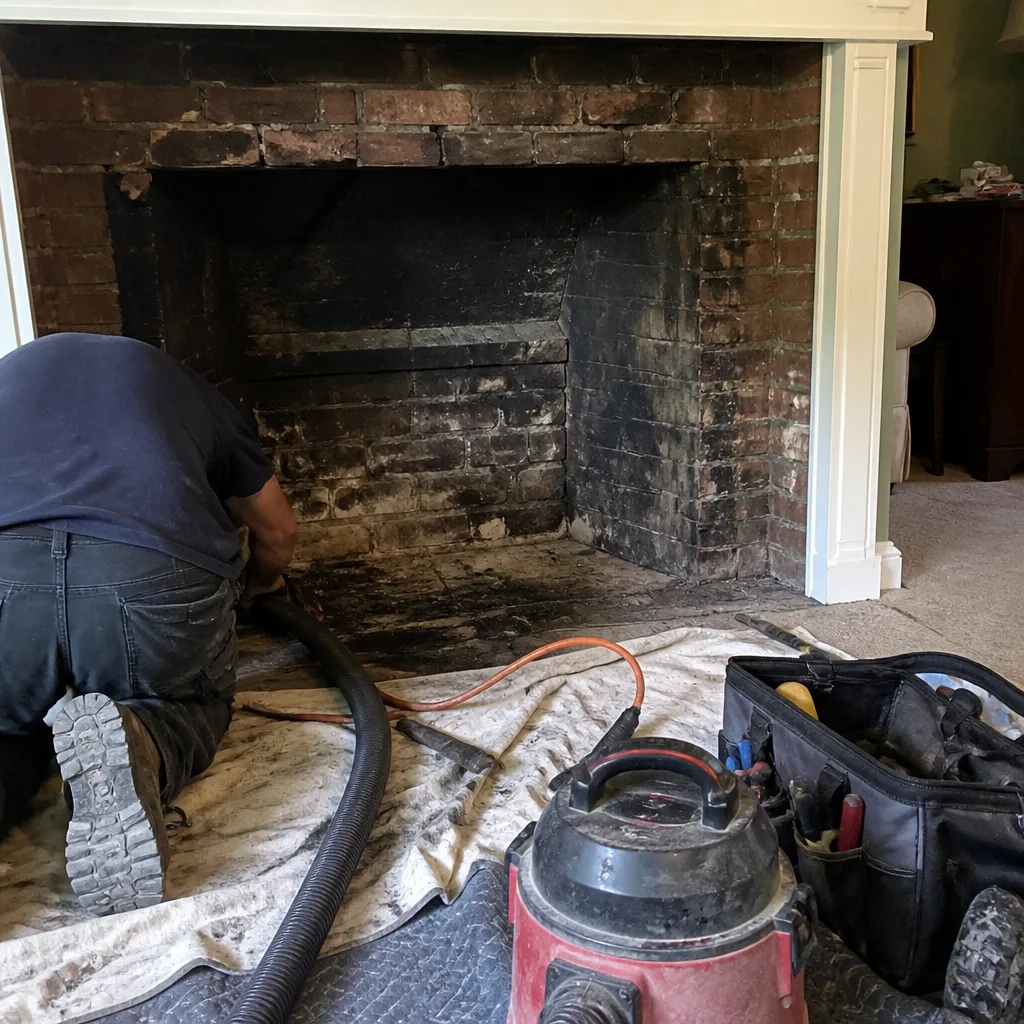 Before
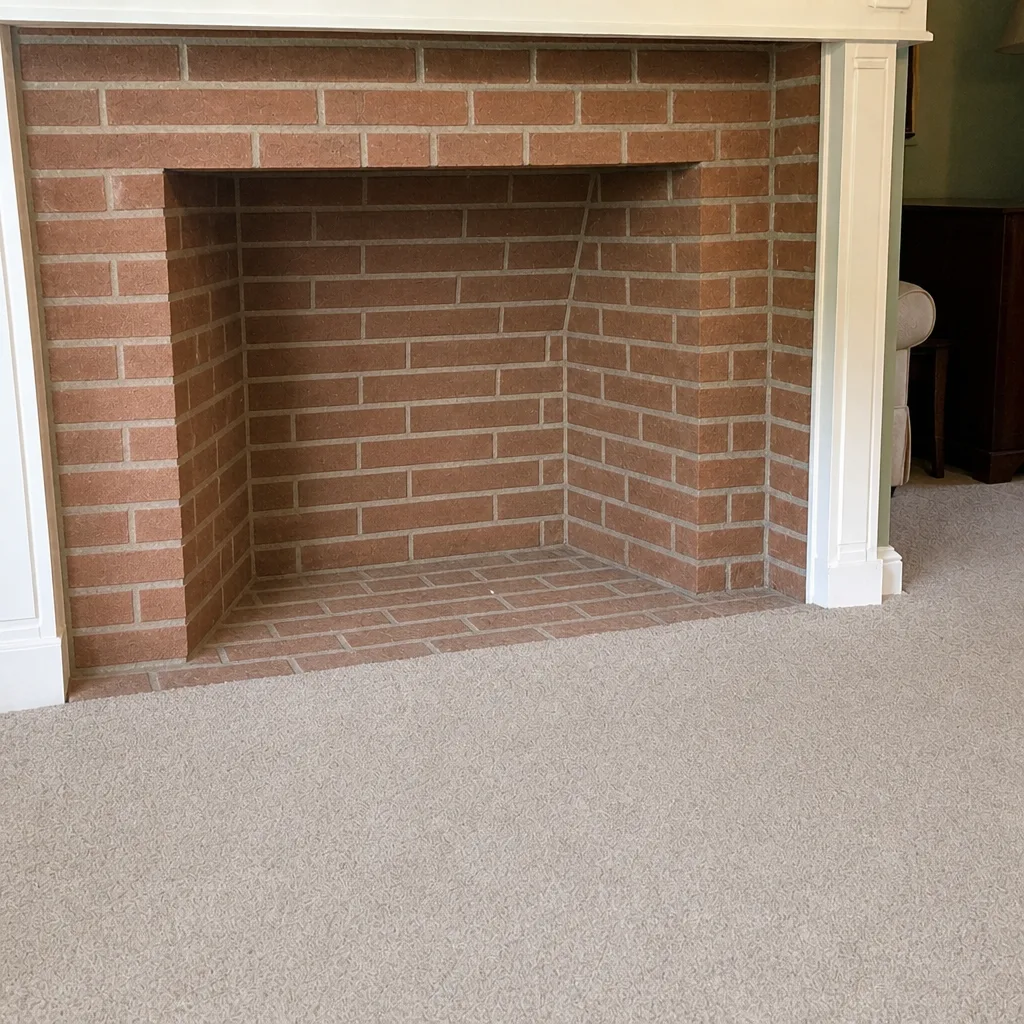 After
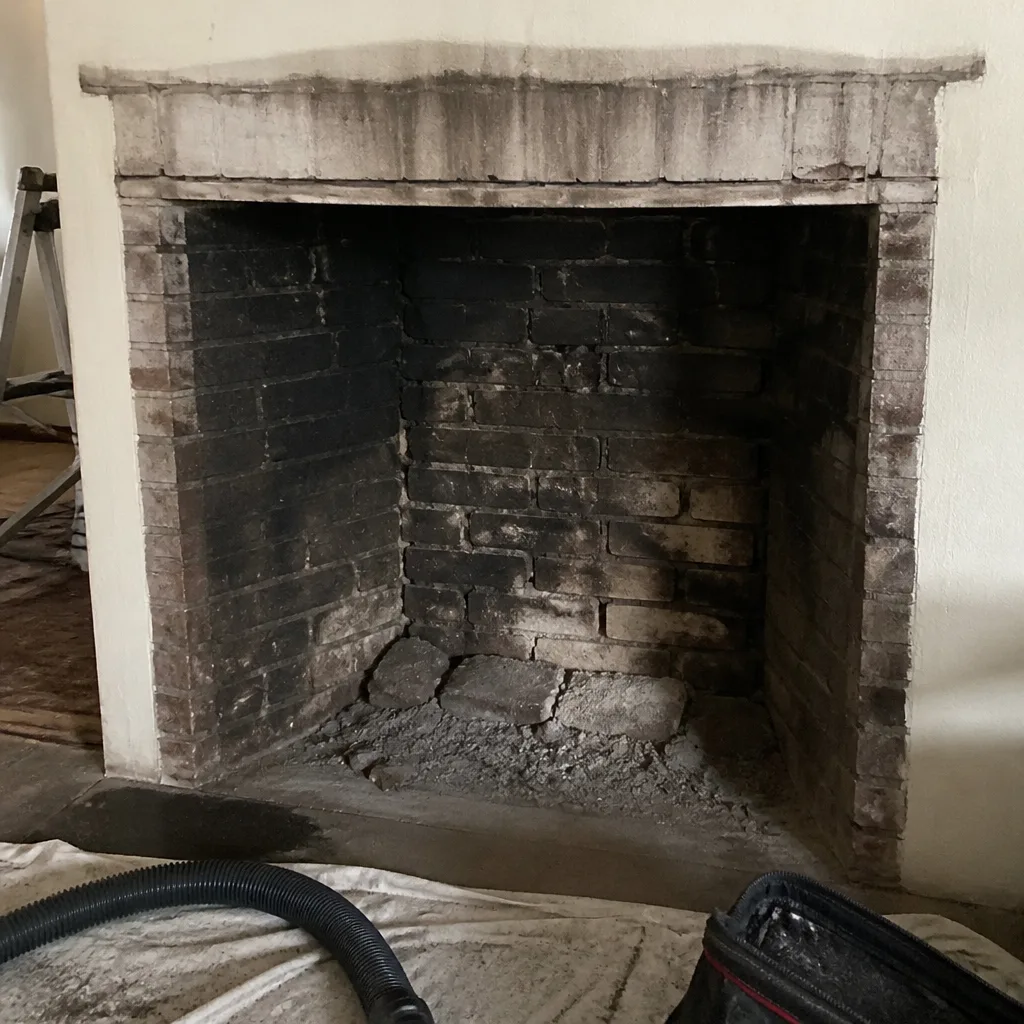 Before
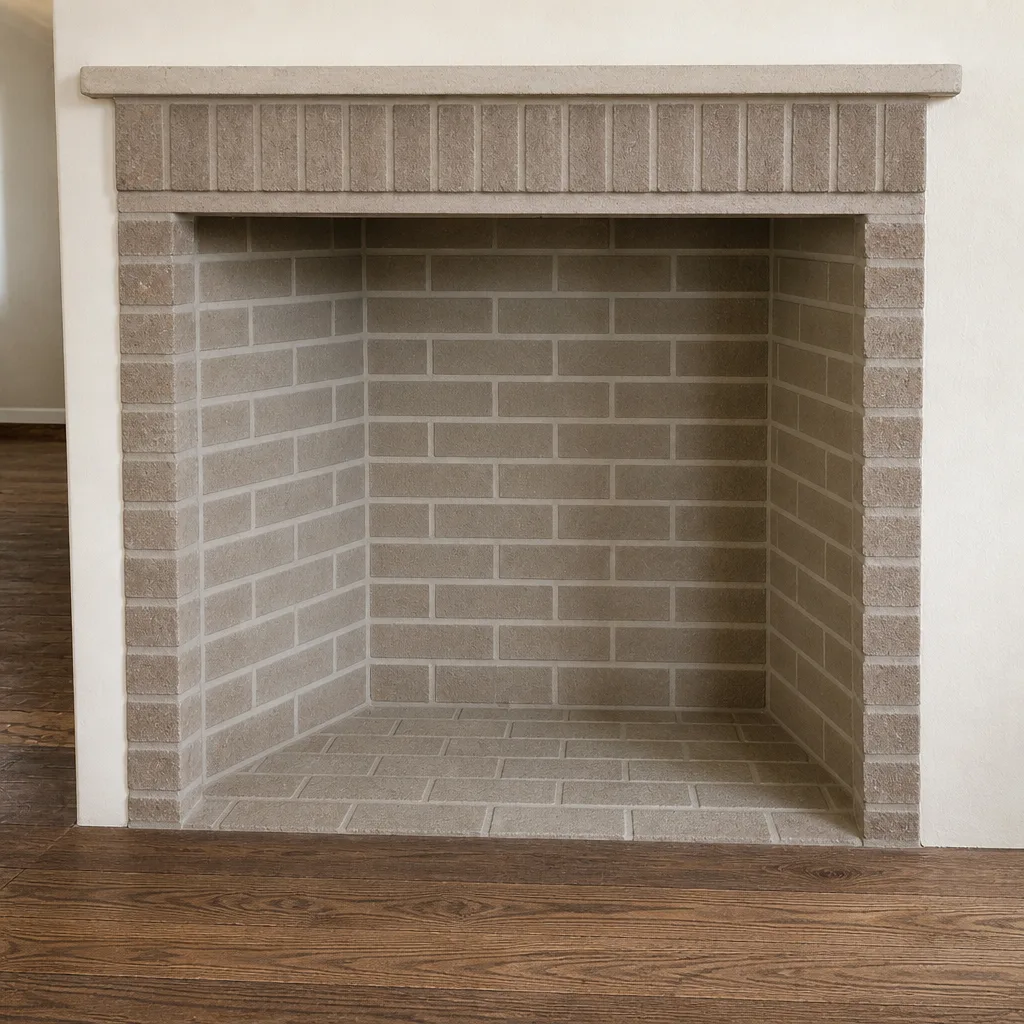 After
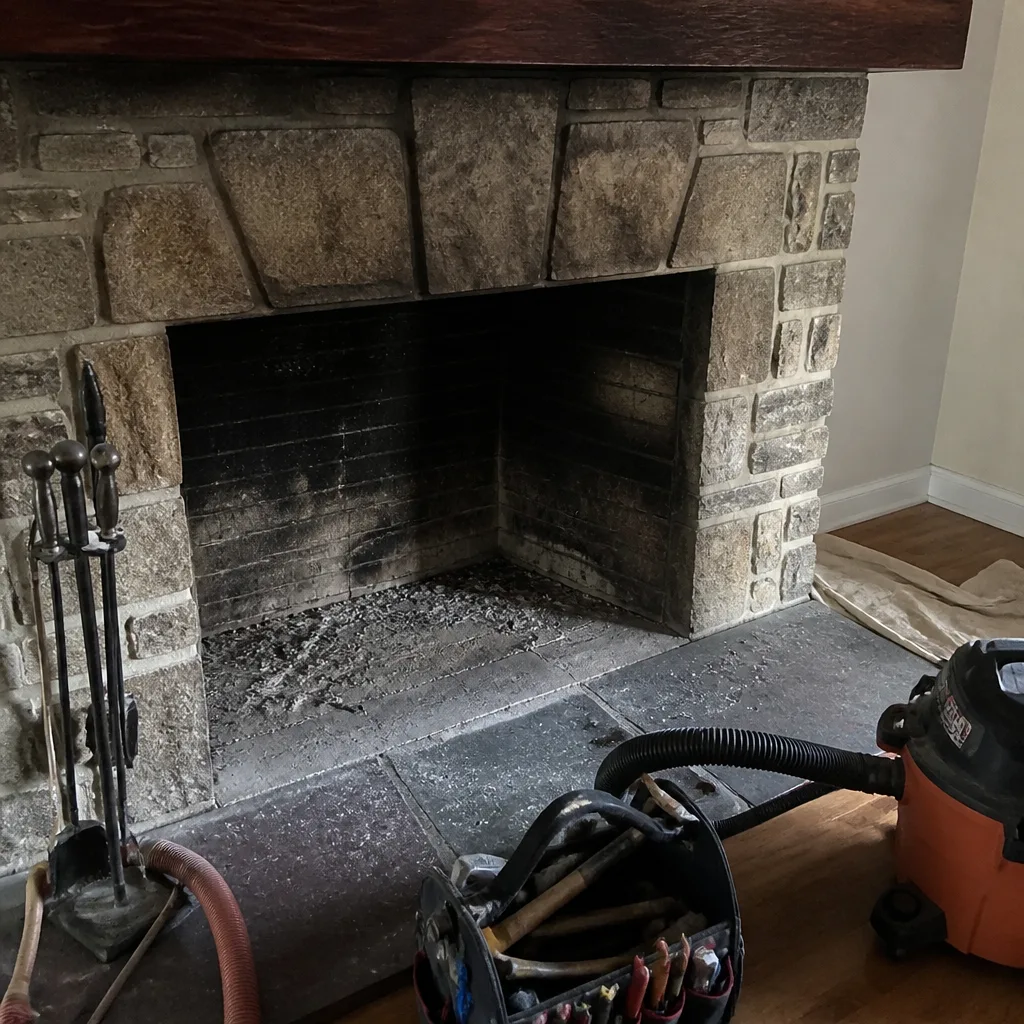 Before
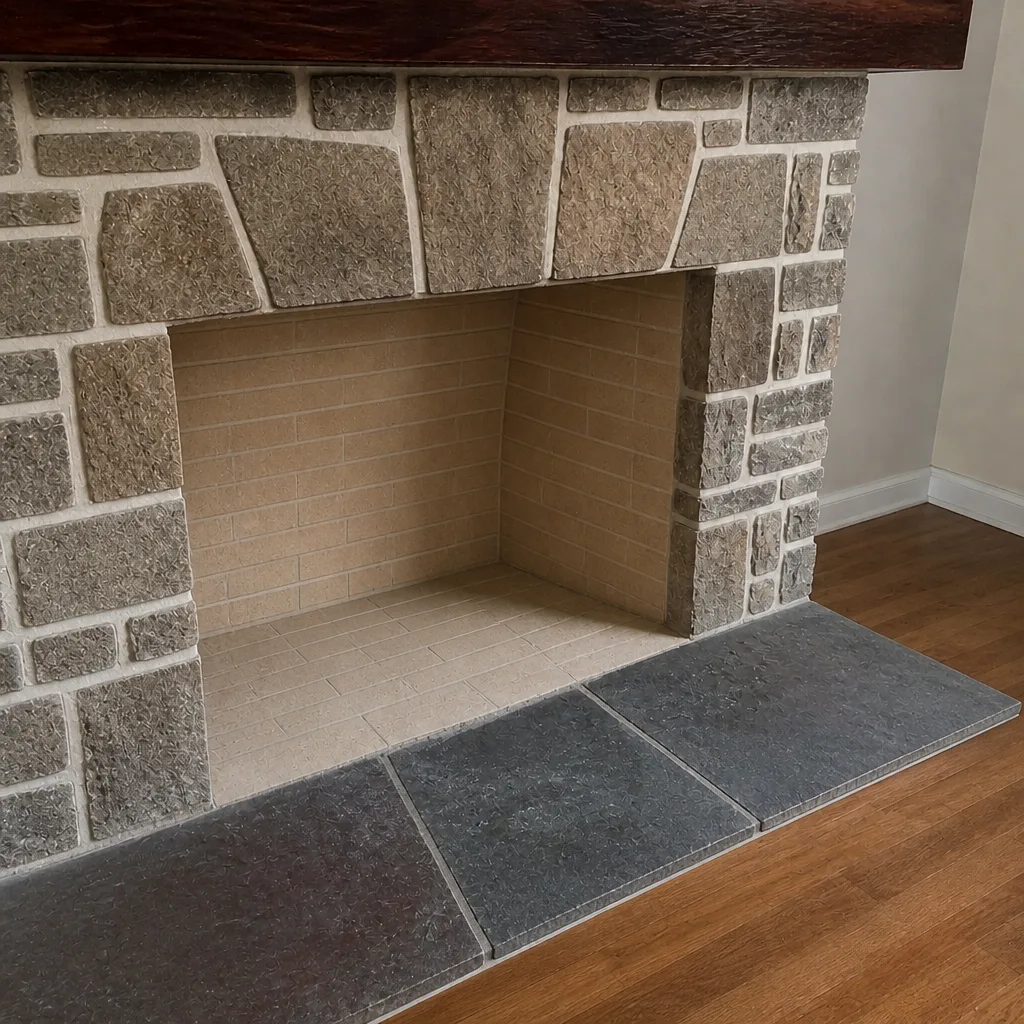 After