
Last updated November 22, 2026
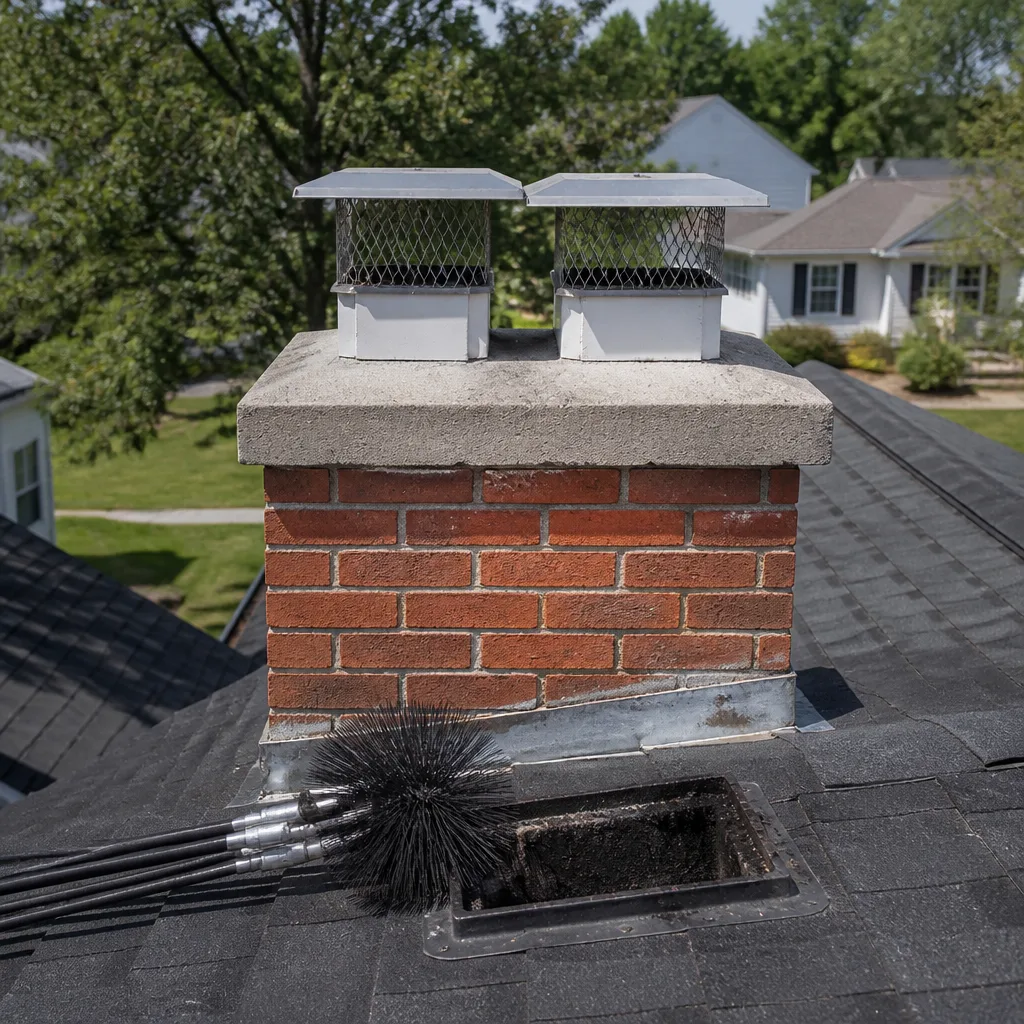 Sweep & inspection
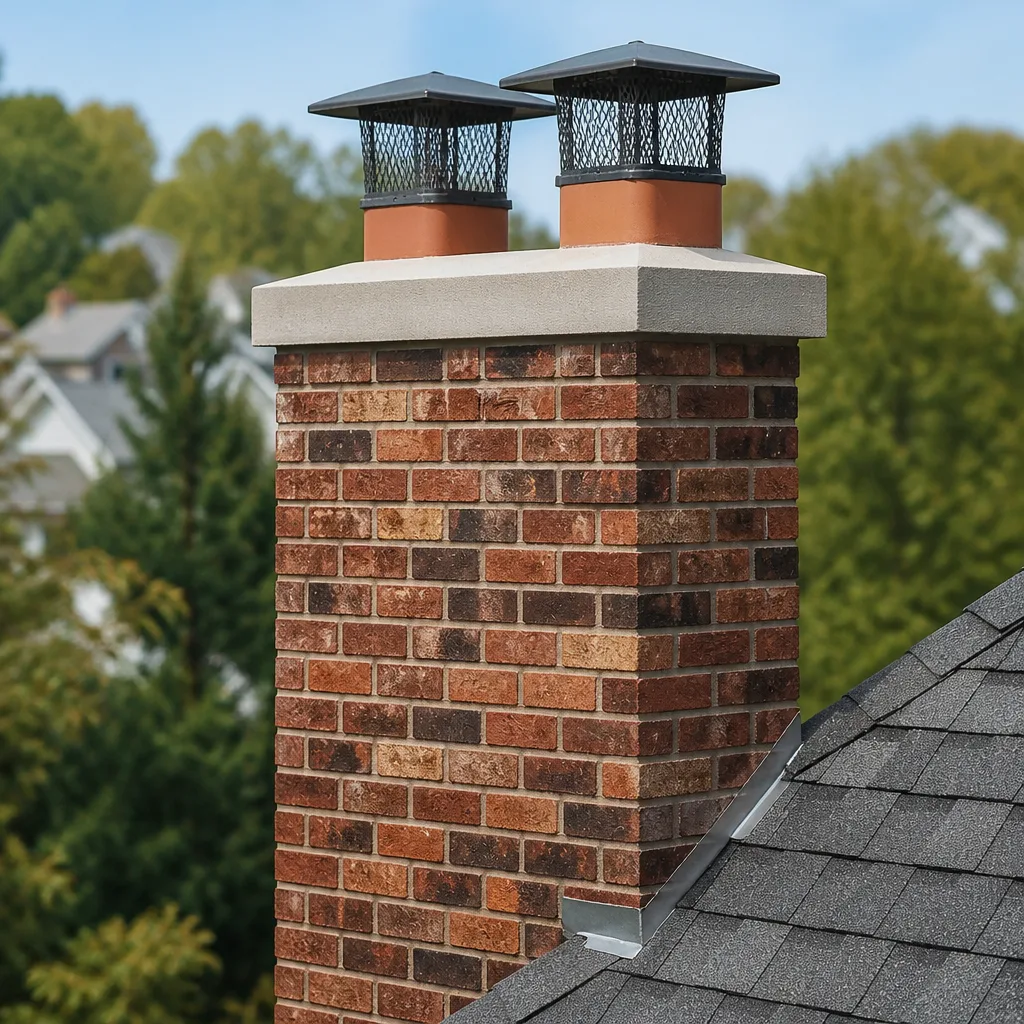 Caps & crowns
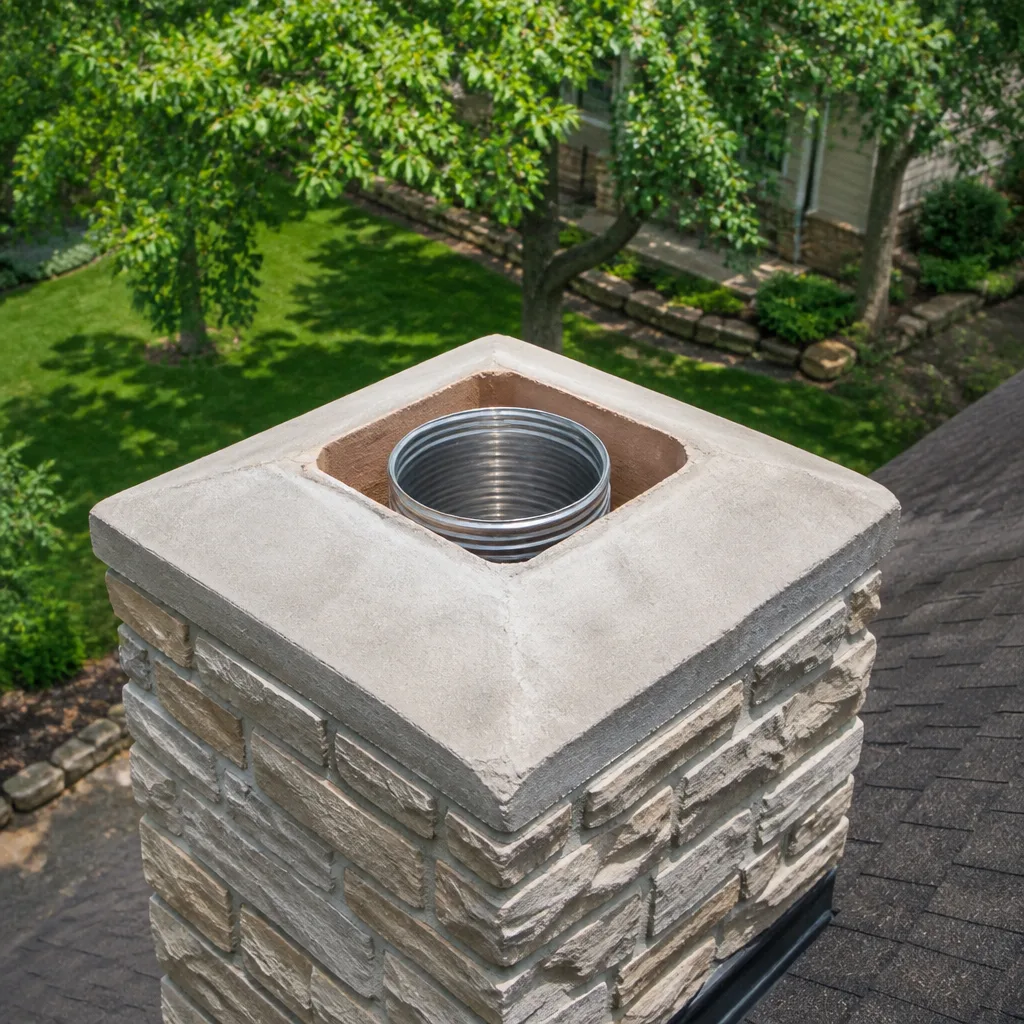 Flue relining
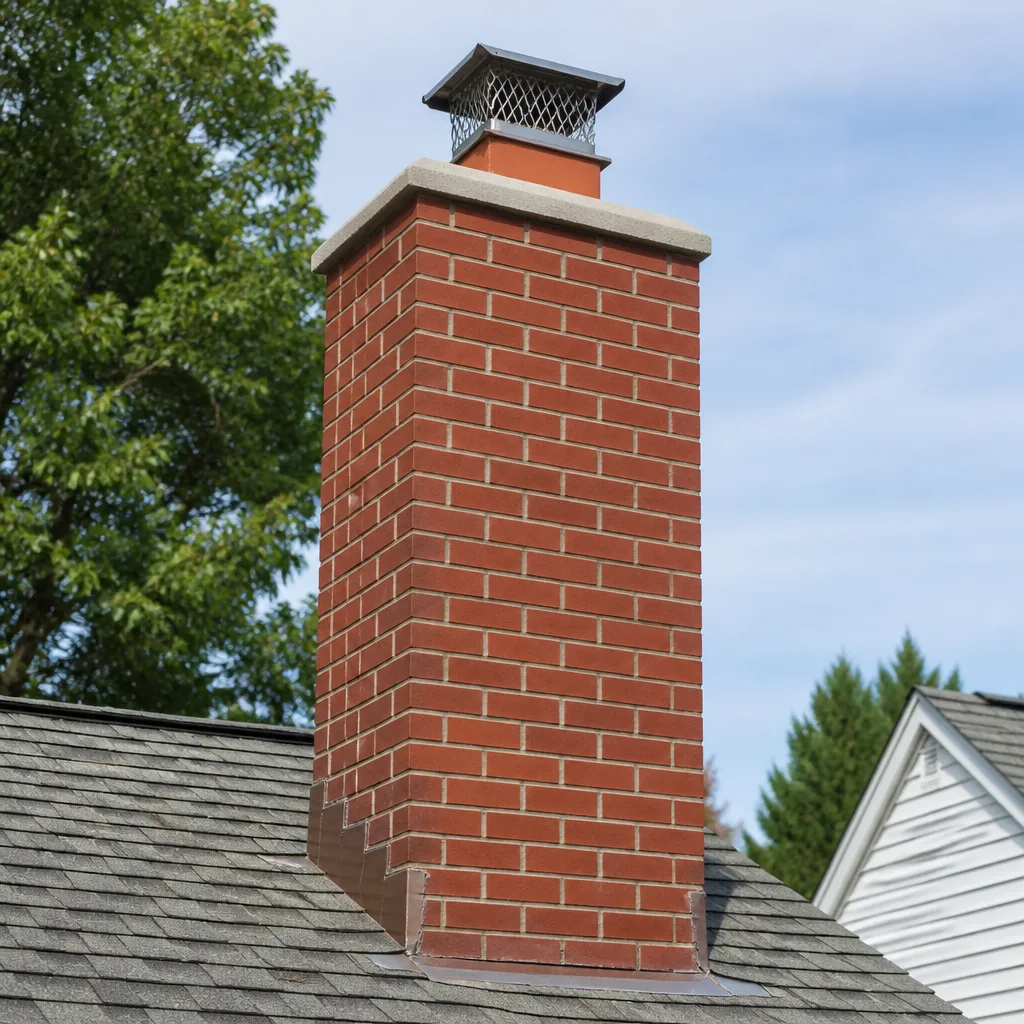 Masonry repair
 Gas fireplace service
Level 1 sweep and inspection to the NFPA 211 annual standard - flue, crown, cap, and flashing checked and photographed
Chimney sweep logs do not sweep chimneys. They loosen some creosote - which then falls where a brush and vacuum still have to collect it.
The Complete Guide to Chimney Cleaning in Fox Chase
Most homeowners in Fox Chase call for a chimney sweep expecting a 20-minute brush job. What a thorough cleaning actually involves, though, is closer to 90 minutes of work: a full flue inspection, smoke chamber scraping, firebox assessment, and a look at the crown and cap on the roof. The brush is only one tool in the process. The real value of a proper cleaning is what it reveals along the way. In this guide, we walk you through every component of the chimney system, what gets cleaned and checked at each stage, why the sequence matters, and how Fox Chase’s tree cover and mid-century housing stock create specific patterns of creosote buildup and mortar wear you won’t see in a newer subdivision.
Quick Answer
A professional chimney cleaning in Fox Chase is a multi-stage process, not a single brush pass. It starts at the firebox, moves up through the smoke chamber and flue liner, and ends with an inspection of the crown, cap, and exterior masonry. A proper cleaning includes a Level 1 inspection and takes roughly 60 to 90 minutes for most homes in the area. The debris you find at each stage tells you what’s happening in the chimney, and often what’s happening in your house.
Styles & brands we work with
- Sweep & inspection
- Caps & crowns
- Flue relining
- Masonry repair
- Gas fireplace service
Table of Contents
- What Is Chimney Cleaning (And What It Isn’t)
- Component by Component: What Gets Cleaned
- How Fox Chase’s Tree Canopy and Older Homes Affect Creosote
- Level 1 vs Level 2 Inspections: What’s the Difference?
- What “Cleaning Complete” Actually Means
- Sweeping-Only vs Full-Service Cleaning
- When to Schedule a Cleaning in Fox Chase
- Common Mistakes to Avoid
- When to Call a Professional
- Frequently Asked Questions
What Is Chimney Cleaning (And What It Isn’t)
Chimney cleaning is the mechanical removal of creosote, soot, ash, and debris from every interior surface of the chimney system that sees combustion byproducts. It is not a single brushing of the flue. And it’s not a look down the pipe from the firebox with a flashlight, which is what some homes in Fox Chase end up with when they hire a general handyman who happens to own a brush.
A professional cleaning follows a defined sequence. We start at the firebox and work upward. There’s a reason for that direction: debris dislodged higher up will fall onto surfaces you’ve already cleaned if you work top-down. Working bottom-up ensures everything cascades down to the firebox where it can be vacuumed out with a HEPA-rated shop system, not redistributed into your living room.
Here’s what’s included in a proper cleaning:
- Firebox: scraped, swept, and vacuumed. Brick faces, the floor, the damper assembly, and the smoke shelf above the damper.
- Smoke chamber: the sloped area between the damper and the flue, where creosote glazes and hardens in a way a nylon brush won’t remove.
- Flue liner: the vertical channel. Brushed with a properly sized poly or wire brush matched to flue dimension.
- Flue top: the opening at the crown, checked for obstruction from birds, squirrels, and leaf litter.
- Crown and cap: inspected for cracks, spalling, or damage that lets water in.
- Exterior masonry: spot-checked for cracks, spalling mortar, and flashing issues at the roofline.
What it isn’t: it isn’t a 20-minute job, and it isn’t limited to the flue. If a service provider shows up, runs a brush up the flue, and leaves within half an hour, you’ve had the flue swept, not the chimney cleaned. There’s a real difference, and the difference matters at the firebox and smoke chamber where most smoke-related problems originate.
Component by Component: What Gets Cleaned and What to Look For
The chimney system works in stages, and each stage collects different debris and shows different wear. Understanding each component helps you ask the right questions and understand what a professional is finding when they work through your chimney. This is the part most guides skip, and it’s the part that determines everything that follows a cleaning.
The Firebox
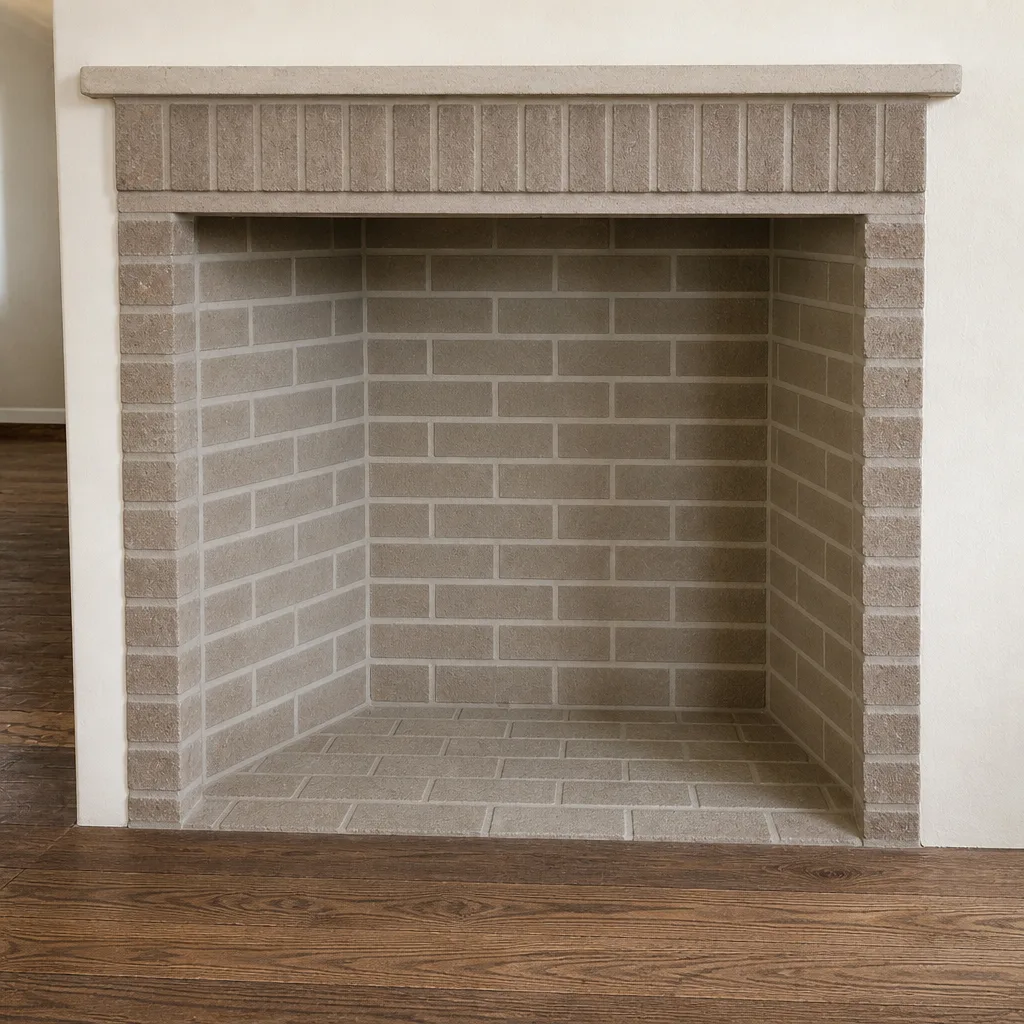
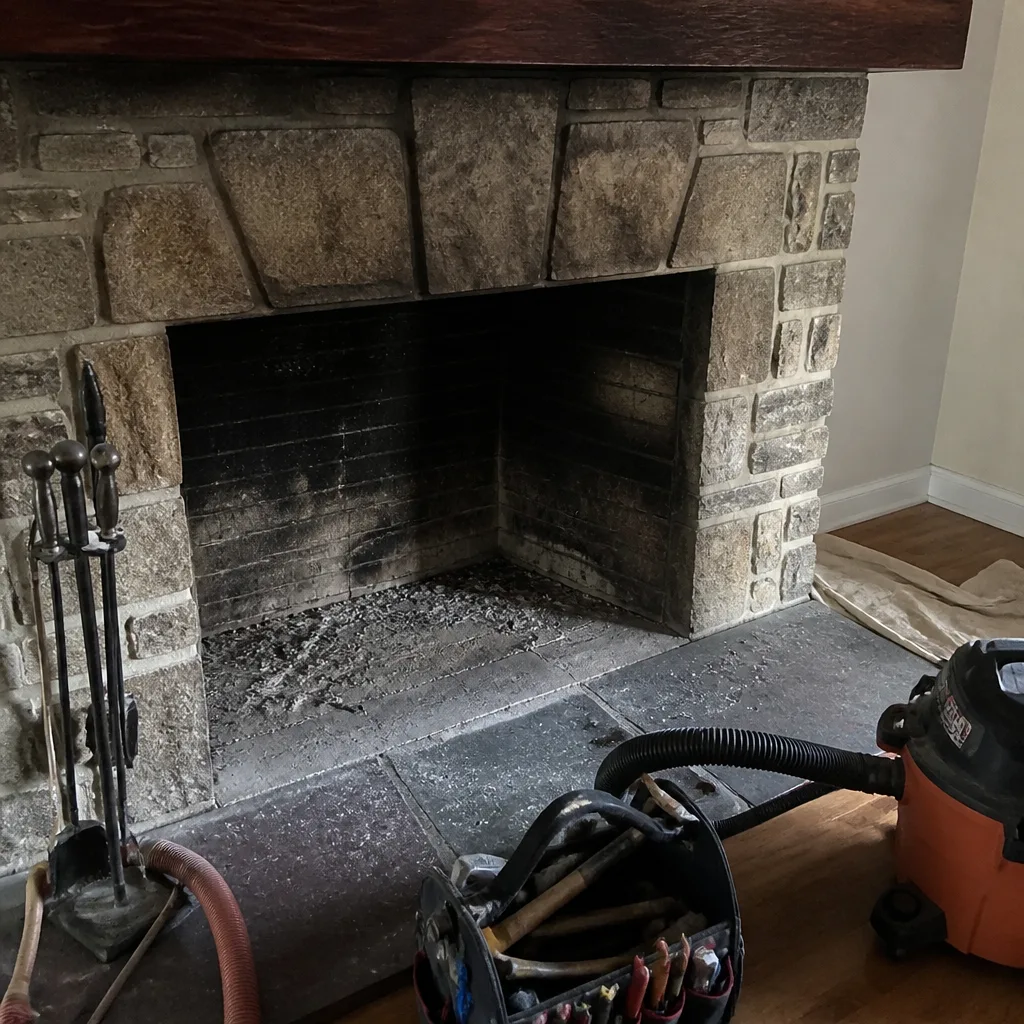
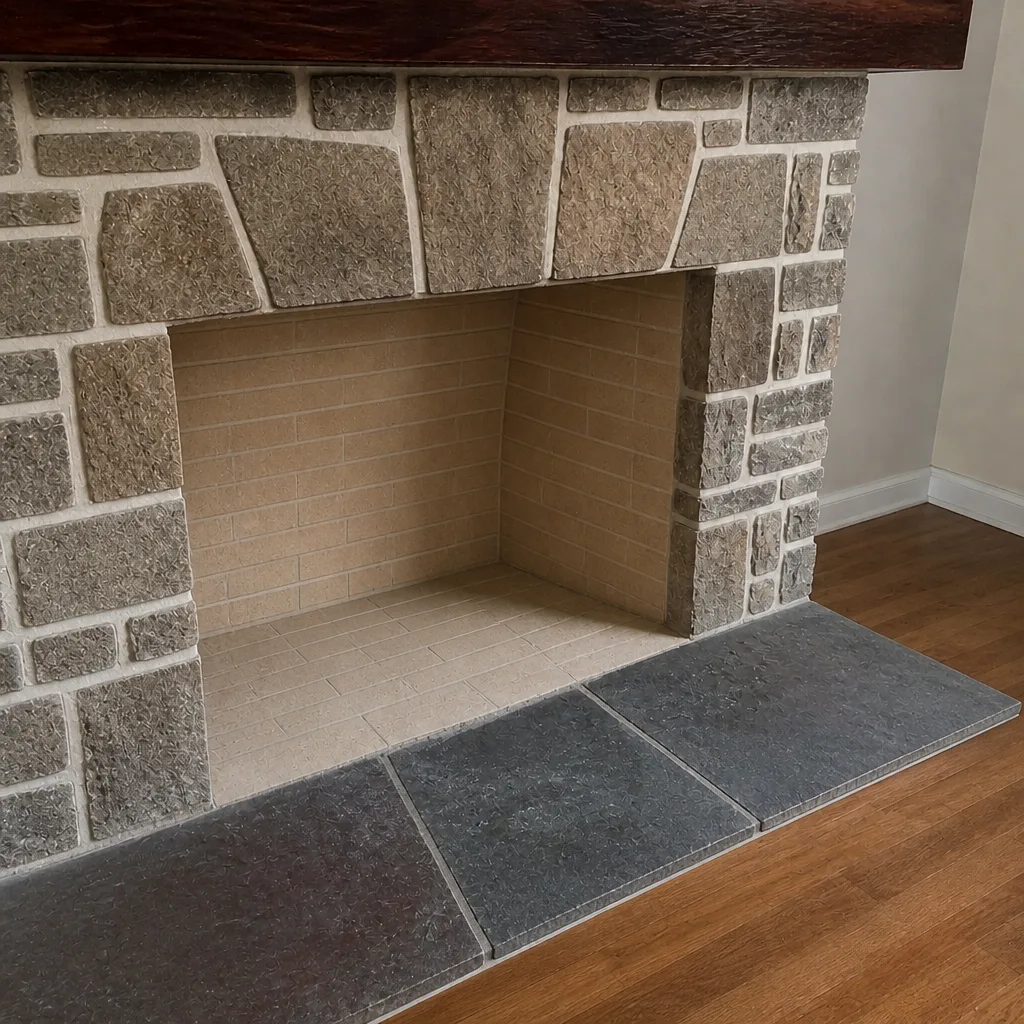
The firebox is where combustion happens, so it collects the heaviest deposits. What we typically find: ash and cinder buildup on the floor, soot staining the brick faces, and deteriorated mortar joints in the firebox walls. In older Fox Chase homes built in the 1940s through the 1960s, the firebox brick often shows spalling: the brick face flakes away after decades of thermal cycling. That matters because spalled brick loses its fire resistance over time. If the mortar joints in the firebox are receding, the firebox needs repointing before it can safely handle regular fires. That’s chimney repair territory, not cleaning, but it comes up during a thorough cleaning because we’re looking directly at the firebox brick as we clean it.
The Smoke Shelf and Damper
Just above the firebox sits the smoke shelf, a horizontal ledge that catches falling soot and creosote flakes. It’s also where a lot of creosote hardens in a way that looks benign from the firebox but has to be scraped free. The damper blade itself gets checked for smooth operation and rust. A damper that doesn’t open and close cleanly is a draft and safety issue and needs to be addressed.
The Smoke Chamber
The smoke chamber is the sloped area between the damper and the flue. Its corbelled brick surface collects creosote in a way a straight flue brush can’t touch properly, because the brush has to follow the slope. This is the number one area skipped by sweeping-only services. Smoke chamber creosote is also the most likely to be glazed Stage 3 creosote, which is hard, shiny, and stubbornly flammable. Removing it is part of a full-service cleaning, and it’s one of the reasons a proper cleaning takes over an hour instead of 20 minutes.
The Flue Liner
The flue liner runs vertically from the smoke chamber to the top of the chimney. Cleaning here is straightforward mechanical brushing, but what we’re looking for while cleaning is the condition of the liner itself. Clay tile liners (most common in Fox Chase’s mid-century housing) develop cracks from thermal cycling. If a scoped inspection shows cracks or gaps, we’ll recommend relining with a DuraFlex stainless system or resurfacing with HeatShield ceramic compound. The cleaning reveals the need; the relining solves it. See the full guide to chimney liner installation for details on how relining works.
The Crown and Cap
The crown is the concrete or masonry slab at the top of the chimney that sheds water away from the flue. The cap sits above it, screening the flue opening. Both get checked at the end of every cleaning. Cracked crowns and missing caps are the top sources of water intrusion into chimneys, which then leads to freeze-thaw damage in our climate. We handle chimney cap & crown work as part of the same service relationship, so a broken cap found during cleaning gets addressed without a second contractor visit.
How Fox Chase’s Tree Canopy and Older Housing Affect Creosote and Mortar
Two local realities shape what we find inside Fox Chase chimneys more than anything else: the tree canopy and the age of the housing stock. Neither is unique to Fox Chase, but the combination makes for a specific pattern you don’t see in newer or more open developments.
First, the trees. Fox Chase is an older neighborhood with mature hardwoods and evergreens on most blocks. That means heavy leaf and seed debris landing on chimney caps and in flue tops from the first cool week of fall onward. A missing or rusted-out cap can collect enough leaf litter over one season to restrict the flue opening by 30 to 50 percent. When draft drops from a partially blocked flue, the fire smolders, and smoldering fires produce more creosote than hot fires. So an uncleaned cap compounds the creosote problem happening in the flue. On a street lined with mature trees in Fox Chase, a chimney with no cap is a textbook recipe for a fast creosote buildup.
Second, the housing stock. Many homes in Fox Chase date to the 1940s through the 1960s. The mortar in those chimneys has been through seven or eight decades of freeze-thaw cycles, and it’s at the point where parging inside the smoke chamber and repointing at the exterior both become routine. Interior clay tile liners in these homes are frequently cracked or offset. The soft, friable mortar type used in mid-century construction erodes faster than modern mortar mixes when water gets in, and water gets in when the crown fails. The crown always fails first. Knowing that lets us look for it during every cleaning.
Both factors mean our technicians, who have up to 9 years of experience, approach Fox Chase cleanings with an eye toward debris load and liner condition in a way that would be overkill in a new build. That’s not a sales angle, it’s just what the local conditions call for.
Level 1 vs Level 2 Inspections: What’s the Difference?
NFPA 211 defines three inspection levels for chimneys. The two you’ll run into as a Fox Chase homeowner are Level 1 and Level 2. Here’s the plain-English breakdown.
Level 1 inspection is included in a routine cleaning. It’s a visual check of all accessible portions of the chimney: the firebox, damper, smoke chamber, flue (as far as can be seen), cap, crown, and exterior. It confirms that the chimney is sound and ready for continued service under the same conditions it’s been used in. No special tools beyond a flashlight and mirror. This is what most annual sweeping visits should include.
Level 2 inspection uses a camera. It’s required whenever the conditions of use change: a new appliance, a change in fuel type, a chimney fire, an earthquake or other event that may have damaged the structure, or when a property is being sold. It’s also recommended when a Level 1 inspection reveals concerns that can’t be resolved visually. A Level 2 inspection scopes the entire flue interior with a camera and produces documented photos or video you can see for yourself.
Here’s what separates this from an upsell: Level 2 is not sold on suspicion. It is a defined scope under a national standard that exists because visual inspection misses things. We recommend it when the cleaning itself points to a problem that needs camera verification. If you have a clay liner that looks fine from the firebox and the smoke chamber, a Level 1 may be all you need. If we see staining or a crack at the flue collar, or if the liner is clay tile in a 1950s Fox Chase home and it’s never been scoped, a Level 2 is a prudent next step. The homeowner sees the footage and decides.
For a fuller breakdown of how inspections play into repairs, see our chimney inspection page.
What “Cleaning Complete” Actually Means
“Cleaning complete” isn’t a feeling. It’s a specific set of observations a professional can describe to you. Here’s what we look at when we sign off on a cleaning.
- No visible creosote above stage 2 in the flue. Stage 1 creosote (soot and light powder) is normal. Stage 2 (crumbly or flaky) is acceptable after cleaning if the brush can reach it. Stage 3 (glazed, hard, shiny) cannot be brushed out and has to be chemically treated or mechanically removed with specialized tools. If stage 3 is found, cleaning is not complete until it’s addressed.
- Smoke chamber surface scraped. The corbelled brick in the smoke chamber is cleared of loose or glazed deposits. This is visible during inspection with a mirror or camera.
- Firebox completely swept. Floor, walls, and damper assembly free of ash and soot. Damper opens and closes freely.
- Flue top cleared. The terminal opening is inspected from the roof or from ground level with binoculars for leaf litter, nests, or debris. A cap that’s intact and correctly sized.
- Crown checked. No cracks or spalling visible that would allow water into the masonry.
- No debris left in the firebox on completion. The entire chimney interior is swept into a HEPA vacuum and hauled out, not redistributed into the room.
When we’re done, we can tell you what stage of creosote was in the flue, what the liner condition looked like, and whether there’s anything else that needs attention. That report is what you should expect from any cleaning in Fox Chase. If a sweep can’t give you that, the cleaning wasn’t thorough.
Sweeping-Only vs Full-Service Cleaning
The distinction matters because the two services produce very different outcomes. Sweeping-only means the flue gets brushed and the firebox gets cleaned. Full-service cleaning includes everything in the sweep plus the smoke chamber scrape, the firebox repoint check, and the cap, crown, and exterior inspection.
Here’s a side-by-side:
- Sweeping-only: flue brushed, firebox swept. Roughly 20-30 minutes. Reveals creosote in the flue but doesn’t touch the smoke chamber.
- Full-service cleaning: everything above plus smoke chamber scraping, damper check, firebox mortar assessment, cap and crown inspection, exterior masonry spot-check. Roughly 60-90 minutes. Reveals the whole system’s condition.
The problem with sweeping-only isn’t laziness; it’s that the smoke chamber store of creosote is invisible from the firebox. A homeowner who gets a sweeping-only visit annually might go ten years without anyone making a serious look at the smoke chamber. By then, hard glazed deposits are common, and in a worst case, the smoke chamber has become a much harder cleaning than it needed to be.
At Chimney Sweep Fox Chase, our chimney sweep visits are the full-service kind by default, with the smoke chamber and firebox assessment built in. We use professional-grade materials from HeatShield and Olympia Chimney, and we have the HeatShield application capability for flue resurfacing when the smoke chamber or liner condition warrants it. A sweeping-only competitor usually doesn’t offer that, and that’s why the two services have different depth.
When to Schedule a Cleaning in Fox Chase
The general guidance is once a year for the average wood-burning fireplace. But the specifics for Fox Chase properties call for more careful timing.
Late summer and early fall is the ideal window. The reason: cleaning removes creosote accumulated the previous winter, and having the cleaning done before you start burning gives the crown, cap, and liner a chance to be evaluated and repaired before the first freeze. If a crown crack is caught in September, we have time to fix it before freeze-thaw cycling undermines the masonry. If the same crack is caught in January, the freeze-thaw damage is already underway.
During burning season, mid-winter is also fine for a cleaning if you’re burning heavily (more than three cords of wood per season, or wood in the fireplace daily). Heavy use generates creosote faster than the annual standard accounts for. Check the flue once mid-season if you’re burning consistently, and sweep whenever you see more than an eighth inch of creosote accumulation.
Never skip the spring assessment. Spring is the season when water intrusion from a failed crown or cap does the most damage, because spring rain combines with freeze-thaw cycling to push cracks wider. An inspection and any cap or crown work done in spring protects the masonry ahead of the following fall.
For larger context on seasonal timing, see our guide on chimney sweeping and its year-round rhythm.
Common Mistakes to Avoid
- Skipping the smoke chamber. Getting only the flue brushed is the most common shortcut, and it’s the one that lets the most creosote accumulate where a sweep can’t easily reach it. Smoke chamber buildup is what makes future cleanings much harder.
- Assuming a cap isn’t necessary. Fox Chase’s tree canopy means leaf litter and animal debris reach the flue top constantly. A missing or broken cap lets in enough litter over one season to restrict the flue and reduce draft. An uncapped chimney in Fox Chase is a creosote factory in slow motion.
- Waiting for a chimney fire to call. A chimney fire is the wrong time to notice your cleaning was overdue. If you’ve never had your chimney inspected, the fact that you’ve been burning in it is reason enough.
- Skipping Level 2 when it’s warranted. A clay liner in a Fox Chase 1950s home that has been swept annually but never scoped may have cracks that a visual inspection can’t see. The camera inspection is worth having if the flue has never been scoped.
- Hiring a sweep who cleans only the flue. Ask up front whether the smoke chamber and firebox are included. If the answer is “we just do the flue,” you’re getting the sweep, not the cleaning.
- Burning unseasoned wood. Wet wood produces more creosote than dry wood. If you’re stacking wood outside and burning within a month or two, you’re generating more creosote than the fuel type allows for, and the cleaning interval should shorten.
- Ignoring the crown. A hairline crack in the crown lets water in, and our freeze-thaw climate pushes it wider each winter. The water intrusion then damages the flue and mortar from the inside out.
When to Call a Professional
Call a professional chimney sweep in Fox Chase if any of the following apply: you’ve burned in your fireplace for at least one season without a cleaning; you see visible creosote buildup inside the firebox walls or the flue; you smell smoke in the house when you’re burning; your damper doesn’t open and close freely; you have a clay tile liner more than 20 years old that’s never been inspected; or you’re buying a home in the area and want a Level 2 inspection before closing. Also call if you hear roaring or rumbling from the chimney while burning, or if you see black staining on the chimney exterior, both of which can indicate a chimney fire has occurred.
At Chimney Sweep Fox Chase, we offer free estimates and can schedule a cleaning or inspection that fits your season. Call (844) 526-7704 for an exact quote. Estimates are free, and we’ll tell you what we find, what it means, and what fixing it actually involves.
Frequently Asked Questions
A routine chimney cleaning in Fox Chase typically runs $180 to $340, depending on chimney height, flue configuration, and whether the smoke chamber needs scraping. A full-service cleaning that includes the smoke chamber and firebox assessment sits toward the upper end of that range, and a Level 2 camera inspection runs $150 to $350 on top of the cleaning if it’s needed. Call (844) 526-7704 for an exact quote. Estimates are free.
Once a year for the average homeowner burning in a fireplace most of the fall and winter. If you burn more than three cords of wood per season or use the fireplace daily, consider a mid-season sweep as well. If you notice more than an eighth inch of creosote accumulation, sweep immediately regardless of when the last cleaning was. Calling (844) 526-7704 gives you a specific answer for your chimney.
Level 2 is a defined inspection standard under NFPA 211, not an upsell, and it’s genuinely necessary in specific situations: before a sale, after a chimney fire, when changing fuels or appliances, or when the visual inspection reveals something a camera needs to resolve. For a routine cleaning of a well-maintained chimney, Level 1 is sufficient. We only recommend Level 2 when there’s a reason. Call (844) 526-7704 to discuss your situation.
Creosote continues to accumulate, and the risk of a chimney fire rises with it. Stage 3 glazed creosote is more likely to ignite than stage 1 or stage 2, and once ignited, a chimney fire can damage the liner and the surrounding masonry. Beyond the fire risk, a failed crown or cap lets water in, and our freeze-thaw winters push crack damage wider each year. Skipping a cleaning also means problems are ignored for another season. Call (844) 526-7704 to schedule before the next burn season.
Yes. Someone 18 or older needs to be in the home during the visit, both for access and so we can walk you through what we find. The techs will also need access to the roof, the firebox, and the area around the hearth. Most cleanings are done in an hour to 90 minutes, and you can either stay nearby or plan to check in at the end for the walkthrough. Call (844) 526-7704 with questions about the visit.
Ask for a written report that describes what was found at each stage: firebox condition, smoke chamber condition, creosote stage in the flue, liner condition, cap and crown. If a Level 2 inspection was done, ask for the camera footage. A professional should be able to describe what they found in plain language. If they can’t, that’s a sign the cleaning wasn’t thorough. Call (844) 526-7704 to schedule a cleaning with a report.
The Bottom Line
Chimney cleaning in Fox Chase is a diagnostic process, not just a brush job. It starts at the firebox, moves up through the smoke chamber and flue, and ends at the crown and cap, and every stage reveals something about the chimney’s condition. A proper cleaning takes 60 to 90 minutes, includes a Level 1 inspection, and produces a report you can actually understand. The smoke chamber and firebox assessment are the difference between a real cleaning and a flue sweep. If your chimney hasn’t been cleaned this season, it’s worth scheduling now, before the heating season starts.
For a complete walkthrough of your chimney system, from the first sweep to a full rebuild, the Chimney Sweep Fox Chase team is the one to call. We use professional-grade components from HeatShield, Olympia Chimney, and Famco, and we handle sweeping, cap and crown work, repair, lining, and fireplace repair as one service relationship. Call (844) 526-7704 for a free estimate.
Written by the team at Chimney Sweep Fox Chase.
See the difference
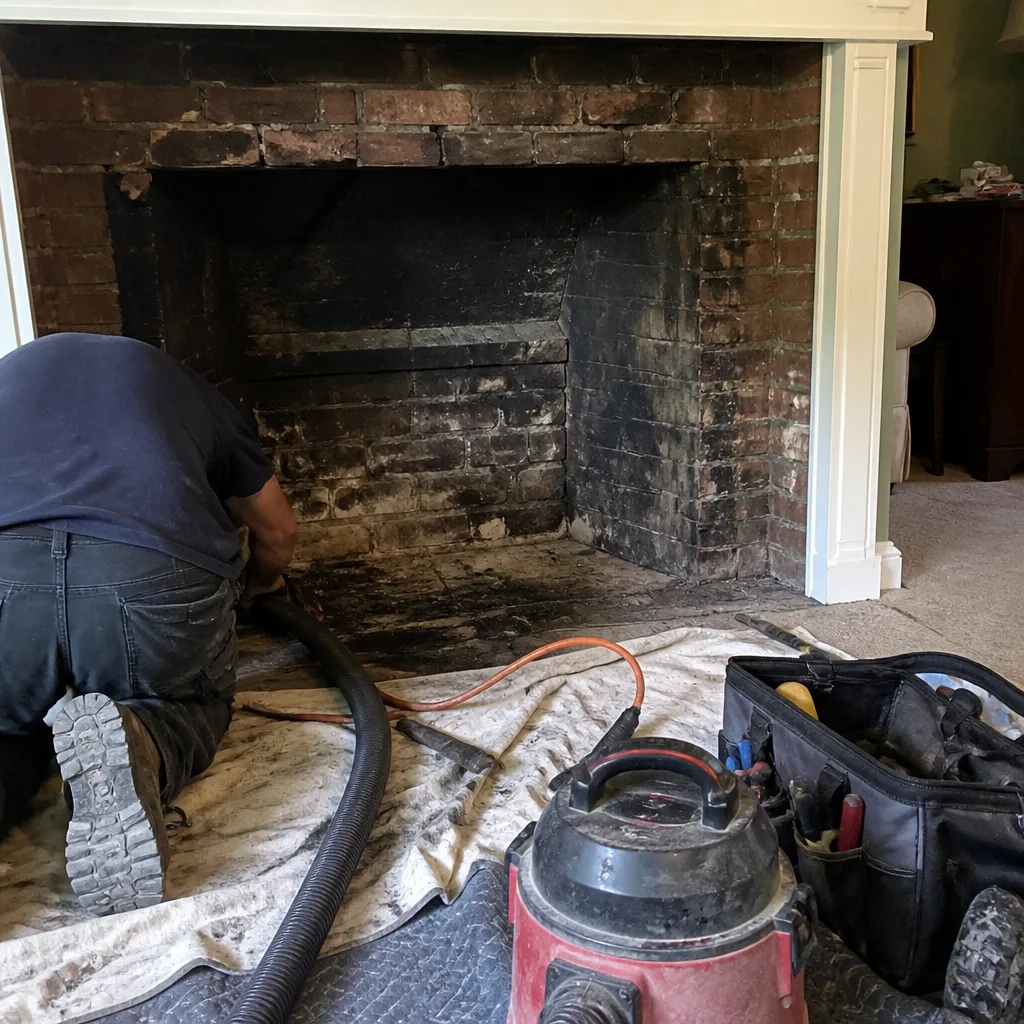 Before
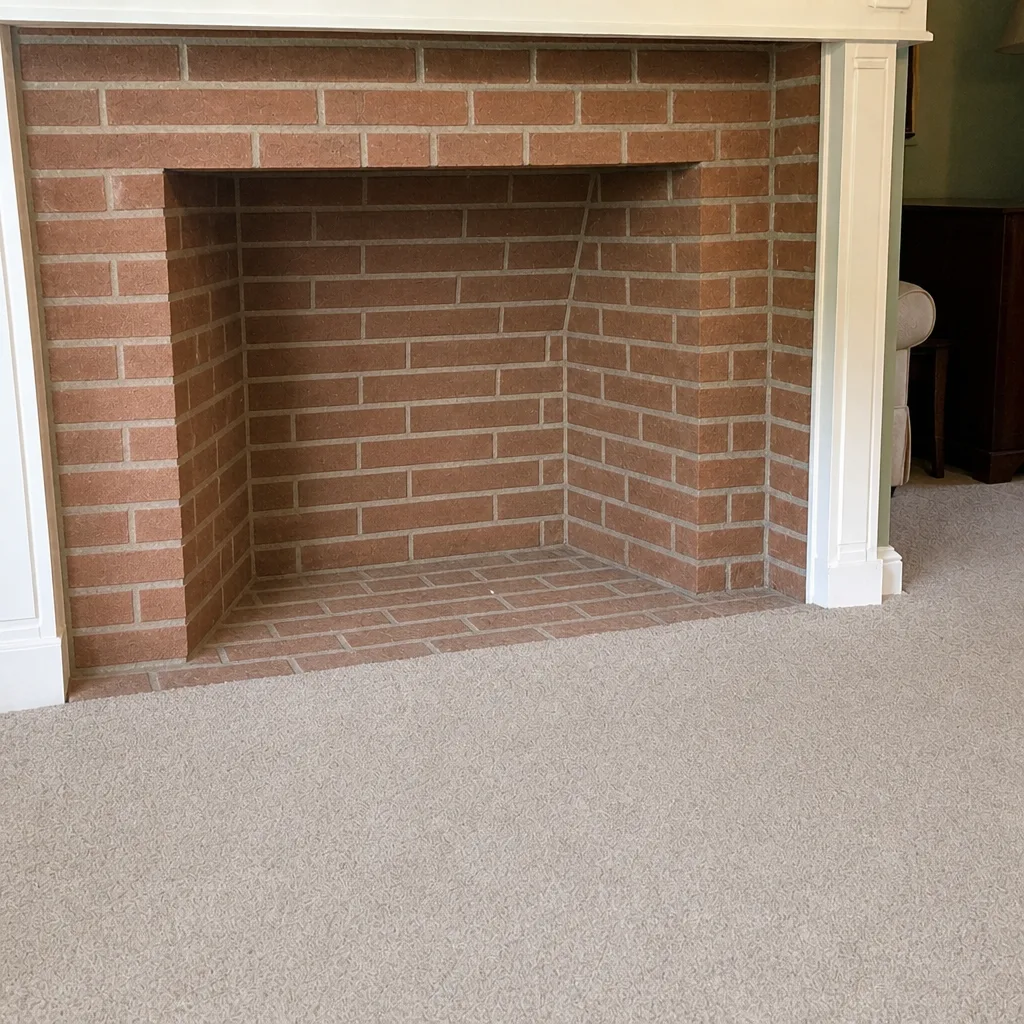 After
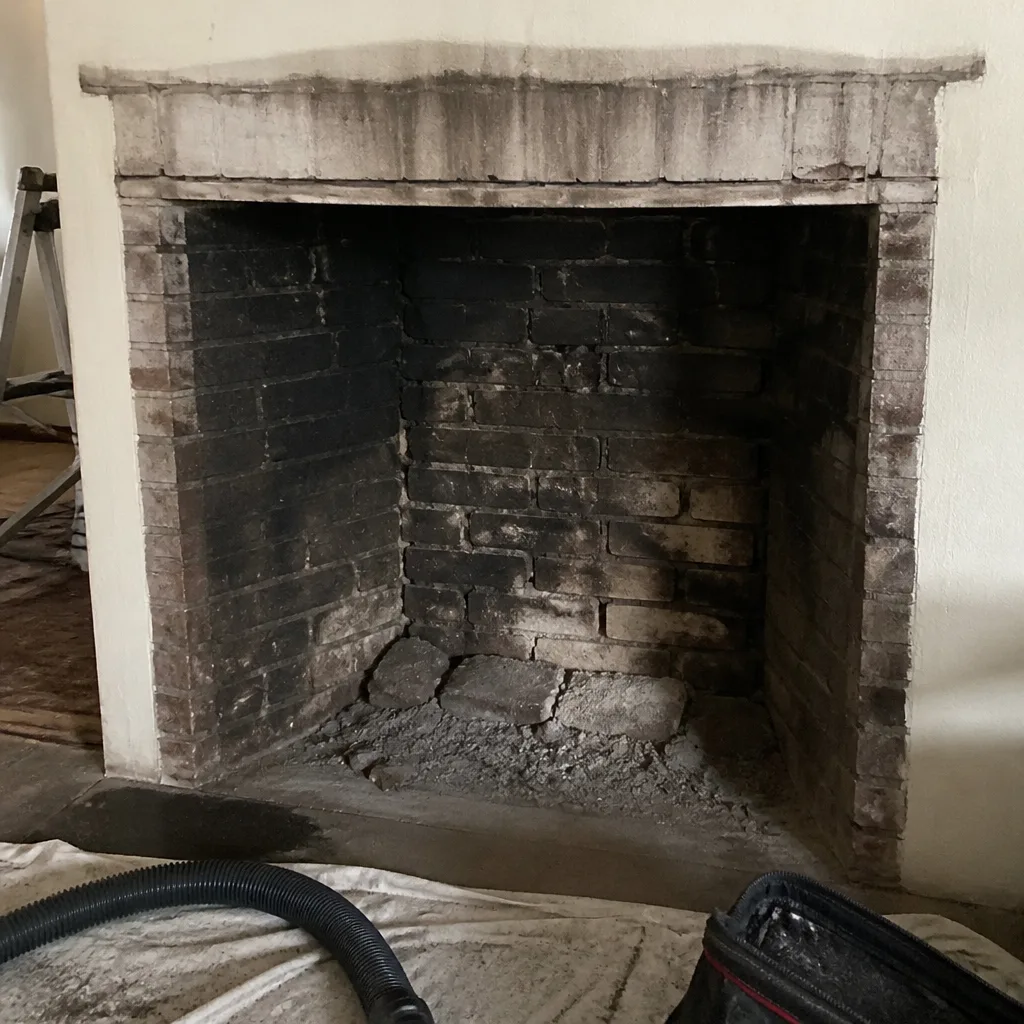 Before
 After
 Before
 After