
Last updated November 22, 2026
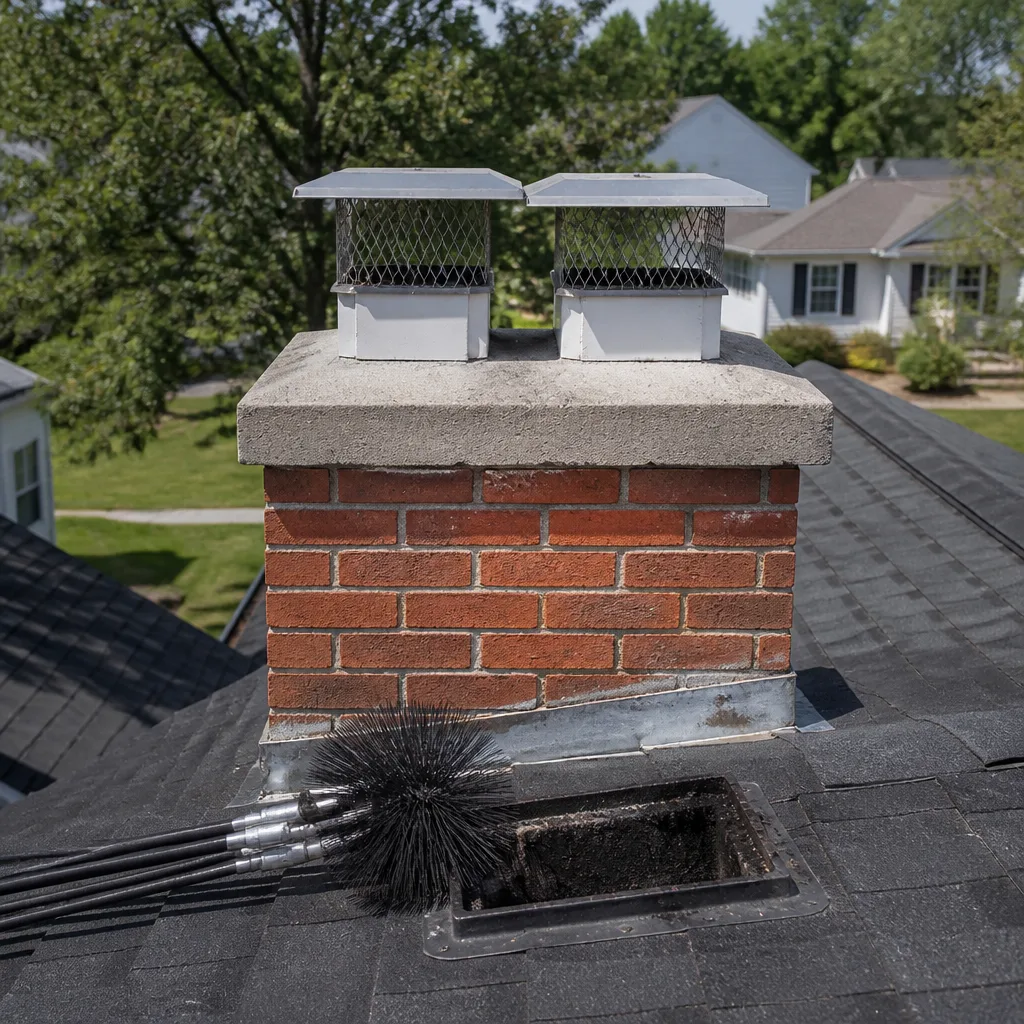 Sweep & inspection
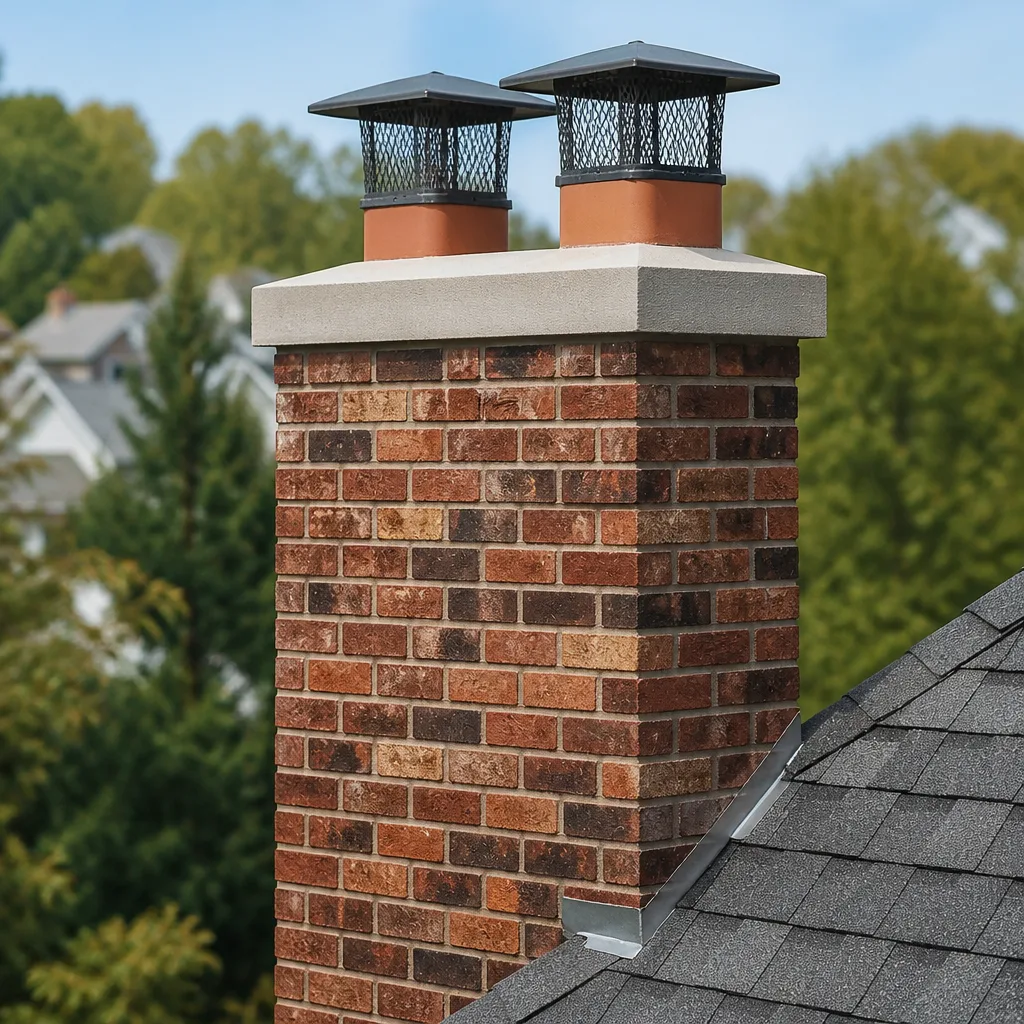 Caps & crowns
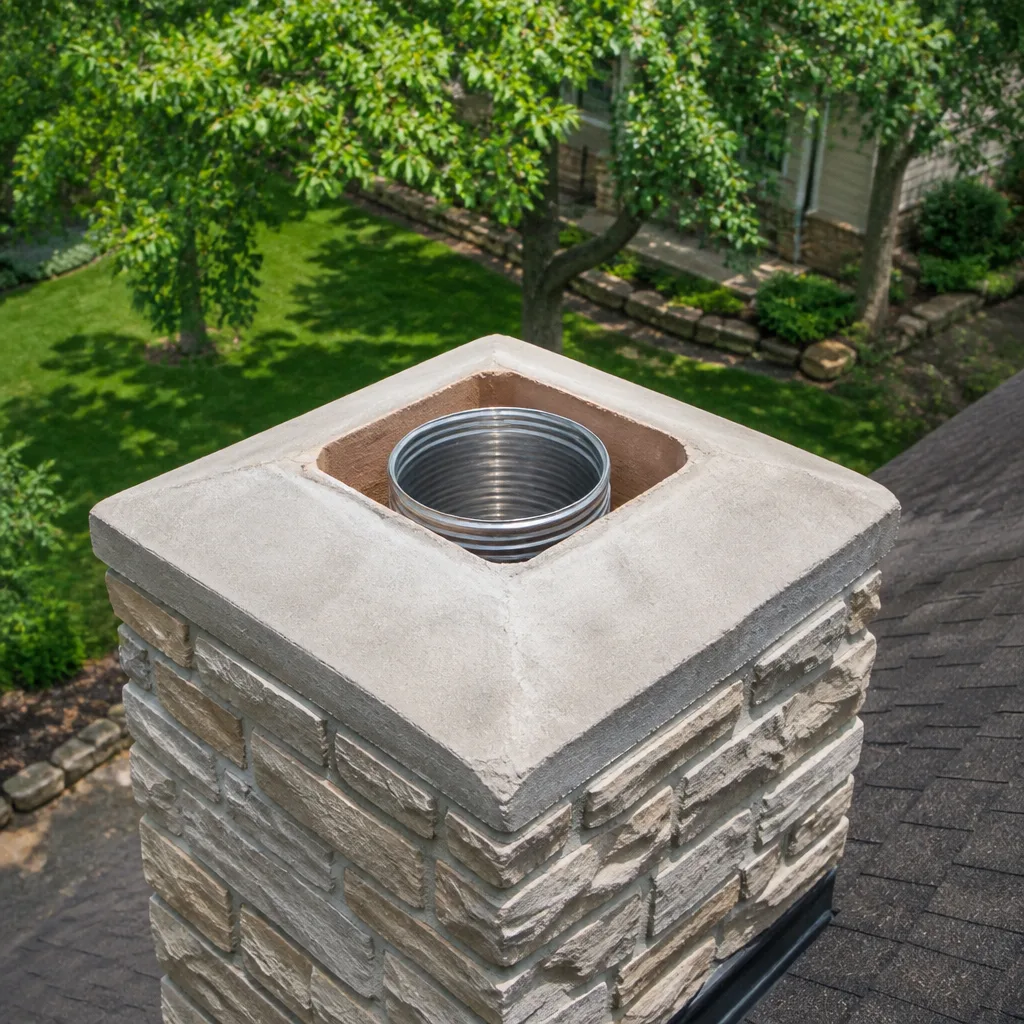 Flue relining
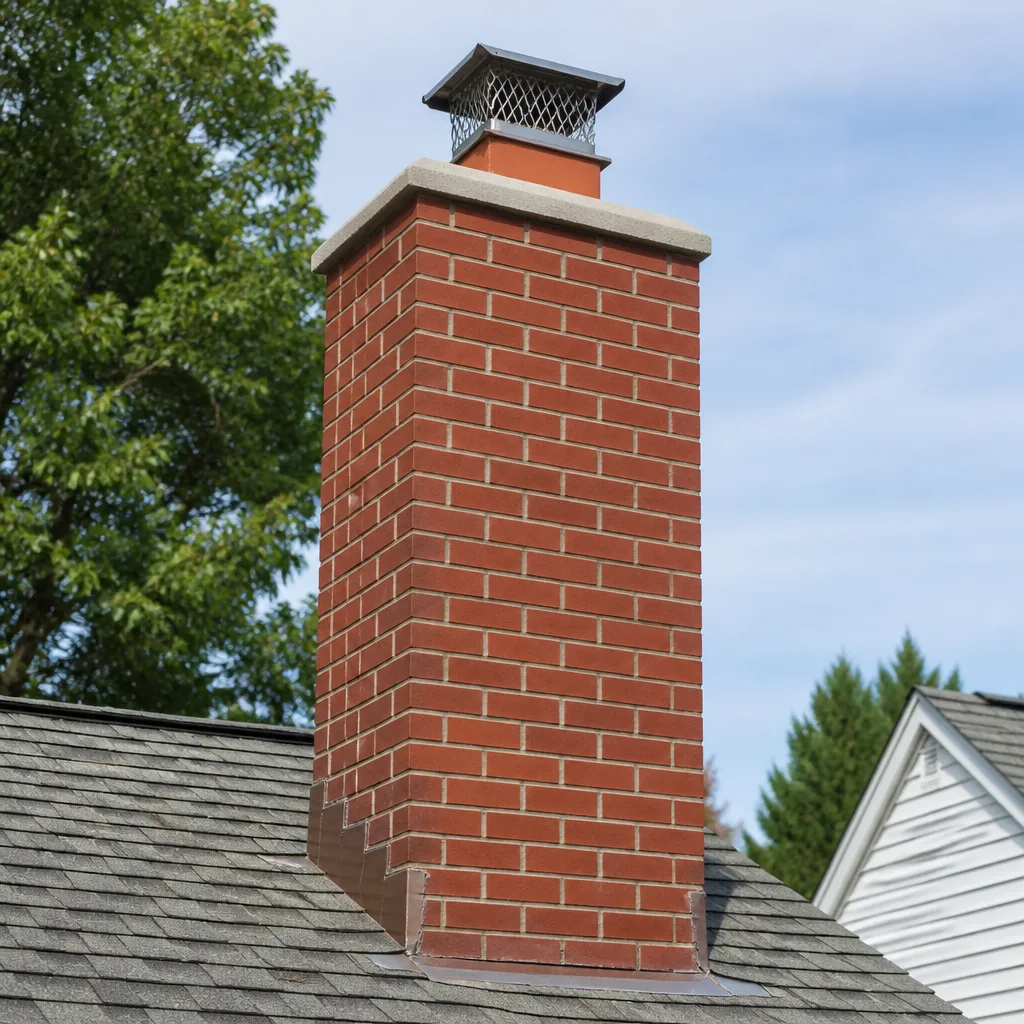 Masonry repair
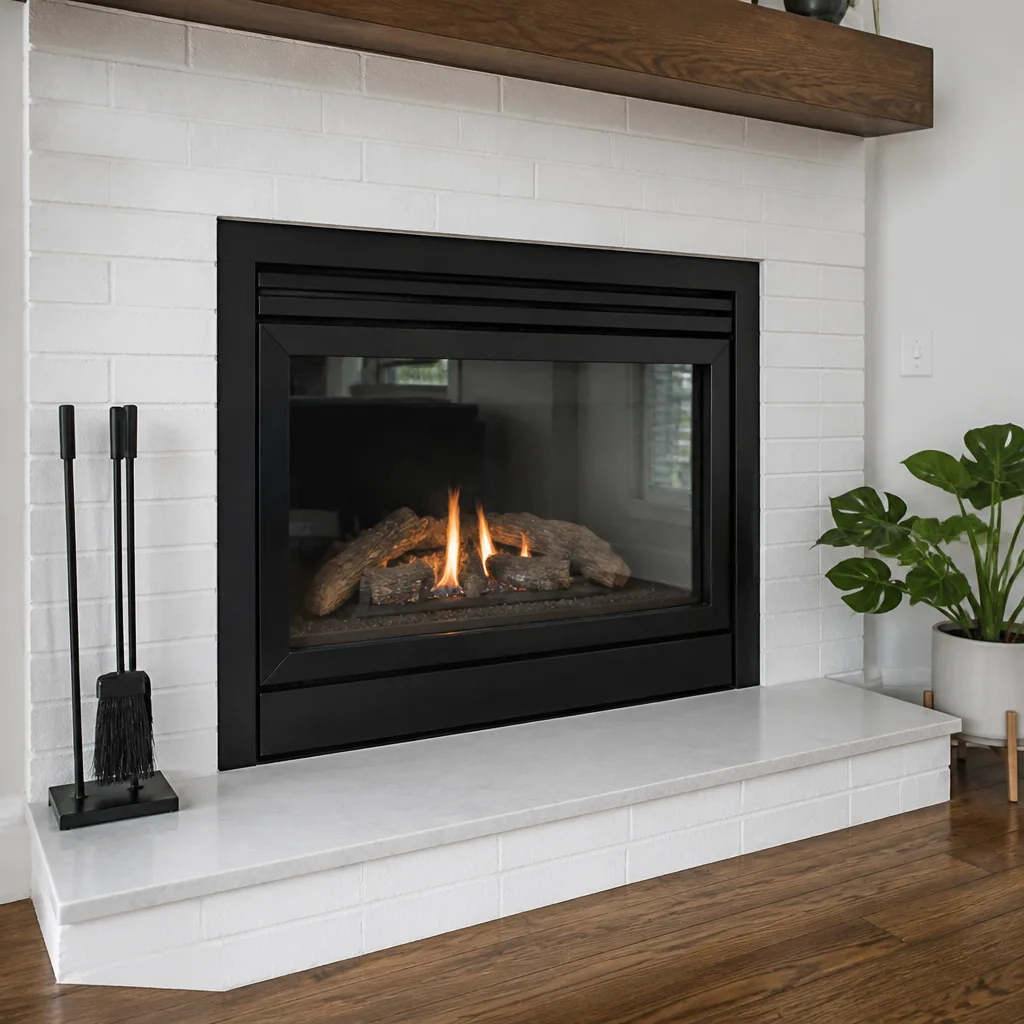 Gas fireplace service
Level 1 sweep and inspection to the NFPA 211 annual standard - flue, crown, cap, and flashing checked and photographed
Chimney sweep logs do not sweep chimneys. They loosen some creosote - which then falls where a brush and vacuum still have to collect it.
Chimney Sweep Maintenance Schedule: What to Do and When
Most chimney advice stops at a single sentence: inspect annually. That guidance comes from NFPA 211, the national standard for chimneys, and it’s a good floor. But it doesn’t tell you what to actually do when you burn four cords of wood every winter versus four fires in a whole season. It doesn’t explain why a gas fireplace that never sees a log still needs attention. And it doesn’t help you decide whether spring or fall is the right time to book the sweep. This guide fills those gaps. We’ll lay out a maintenance schedule built around fuel type, burn frequency, and liner age, written for Fox Chase homeowners who want straight answers instead of a generic calendar.
Quick Answer
Wood-burning chimneys in Fox Chase need a sweep plus a Level 1 inspection once a year, and more often if you burn heavily or see creosote buildup past 1/8 inch. Gas appliances need a Level 1 inspection annually but can stretch the time between actual sweeps if no debris or nesting gets in. The right schedule depends on what you burn, how often, and how old your liner is, not just the calendar.
Styles & brands we work with
- Sweep & inspection
- Caps & crowns
- Flue relining
- Masonry repair
- Gas fireplace service
Table of Contents
- Why one-size-fits-all chimney advice falls short
- Build your schedule by fuel type
- The 1/8-inch creosote rule and how to check it yourself
- Fall vs. spring sweeping: which timing protects your liner
- Your 10-minute pre-season checklist
- How a liner rebuild or HeatShield application changes your interval
- Common mistakes to avoid
- When to call a professional
Why One-Size-Fits-All Chimney Advice Falls Short
The annual inspection standard exists for a reason, but it’s a minimum, not a plan. What actually builds up in a flue depends on the fuel, the moisture content of the wood, how hot the fire burns, and how much air moves through the chimney. Two houses on the same block in Fox Chase can have wildly different schedules based on those variables alone.
A homeowner who burns dry, seasoned hardwood hot and fast will see far less creosote than someone who smolders damp wood in a damper-choked firebox all evening. The smoldering fire looks cozy, but it sends more unburned material up the flue, and that material condenses as creosote. Same chimney, same city, completely different maintenance needs.
Then there’s the liner. A clay-tile flue from an older Fox Chase home behaves differently from a newer stainless system. Cracked or spalling clay tile is common in masonry chimneys, and once the tile starts to fail, deposits can migrate behind it or the flue’s performance drops. That’s when a maintenance schedule turns into a repair conversation.
We’ve seen enough Fox Chase chimneys to know that treating every flue the same misses what’s actually happening in yours. What we do is look, tell you what we found, and build the interval around your setup. That’s the whole idea behind this guide.
Build Your Schedule by Fuel Type
The biggest variable in any maintenance schedule is what you burn. Here’s how the intervals shake out by fuel, based on the standard practice our technicians follow.
Wood-burning fireplaces and inserts
Wood is the most demanding fuel. Creosote and soot accumulate with every fire, and the rate depends on burn habits. The standard is a sweep plus a Level 1 inspection once per year. If you burn more than a couple of cords a season, or if you notice heavy buildup at your mid-season check, bump it to twice a year. An insert often needs the same cadence as an open hearth, sometimes a bit more, because the firebox runs longer and hotter.
Gas fireplaces and gas log sets
Gas appliances have no creosote problem in the wood-burning sense, but they still need a Level 1 inspection once a year. The reason is different: debris, bird nests, and masonry deterioration can restrict the flue or block the vent, and a gas appliance that stops drafting properly is a carbon monoxide concern, not a smoke-in-the-room annoyance. Sweeping may not be needed every visit if the flue stays clean and clear. What you can’t skip is the annual inspection, because the risk from a blocked gas vent is real and invisible.
Pellet stoves and freestanding wood stoves
Pellet appliances produce less creosote but more ash, and the flue can clog if the appliance isn’t cleaned properly. Wood stoves follow the wood-burning schedule: annual sweep and inspection, more often if you burn high volumes. Both benefit from a check on the vent connector and any horizontal runs, which collect ash faster than the vertical flue.
Oil and coal
These fuels are less common in Fox Chase today, but where they’re still in use, soot and sulfur deposits build up in the flue. Annual inspection and sweeping apply, and the deposits can be corrosive when wet. If your system runs on oil, don’t skip a year.
Here’s the fuel-by-fuel schedule in a single view:
- Wood (open hearth or insert): annual sweep plus Level 1 inspection; twice yearly for heavy burners or fast buildup.
- Gas: annual Level 1 inspection; sweep only when the inspection shows debris or restriction.
- Pellet stove: annual inspection and flue cleaning; check the vent connector each season.
- Wood stove: annual sweep and inspection; more often with high burn volume.
- Oil or coal: annual inspection and sweeping due to soot and sulfur deposits.
When the time comes to book that annual visit, a proper chimney sweep in Fox Chase includes the inspection that sets next year’s interval, so you’re not guessing.
The 1/8-Inch Creosote Rule and How to Check It Yourself
Creosote is the tar-like residue that condenses on the inside of the flue. The professional benchmark is simple: buildup up to 1/8 inch is within normal cleaning range, and anything thicker calls for an immediate sweep before you burn again. Glazed, shiny creosote is the dangerous stage, because it’s dense, hard to remove, and burns hot once ignited.
You can check the flue yourself between professional visits. This is a look, not a cleaning:
- Make sure the fireplace is completely cold and no fire has burned for at least a day.
- Open the damper and shine a strong flashlight up the flue.
- Look at the visible flue walls for a black or brown coating.
- Compare the coating to the edge of a coin or a known 1/8-inch reference. If you can see the flue surface through a thin film, you’re within range. If the coating looks thicker than a nickel, or if it appears shiny and glazed, stop and book a sweep.
- Look for crumbly or flaky material. That’s likely soot or failed clay tile, not creosote, and it also signals a sweep and inspection.
A word of caution: don’t try to scrape or wire-brush the flue yourself. The professional tools are designed to remove deposits without damaging the liner. A homeowner with a brush on a rope can crack clay tile without knowing it. Visual checks are safe. Removal is the sweep’s job.
If you see glazed creosote, call for a sweep before the next fire. That’s not a “wait until fall” situation.
Fall vs. Spring Sweeping: Which Timing Protects Your Liner
Most people book a sweep in fall because that’s when they think about the fireplace. Spring is the better choice. Here’s the reasoning.
Creosote absorbs moisture from the air. Through a humid summer in southeastern Pennsylvania, that coating can turn acidic. Acidic creosote sitting against a clay flue for months attacks the liner from the inside. The damage shows up later as cracked or spalling tile, and repairing it is far more expensive than a spring sweep would have been.
Sweeping in spring removes the deposits before they sit wet all summer. You also get ahead of the fall rush, when every chimney service in Fox Chase is booked solid. And the inspection that comes with the sweep catches problems early enough to fix them before the heating season, not during it.
Fall isn’t wrong; it’s just later than necessary. If you burn through the winter and haven’t swept yet, spring is when to do it. One thing you don’t want to do is skip a sweep entirely because you plan to stop using the fireplace for a season. The deposits still sit there.
The best pattern for most wood-burning homes in Fox Chase looks like this: sweep and inspect in spring, run a quick visual check before the first fire of fall, and check mid-season with a flashlight. That way the heavy work happens before summer humidity, and you confirm readiness before you burn.
Your 10-Minute Pre-Season Checklist
Before the first fire of the season, walk the system with your eyes. This takes about 10 minutes and catches the problems that lead to bigger repairs. It’s a look-and-confirm list, not a repair list.
- Check the cap. Look through binoculars or from a safe viewing point. A rusted, missing, or damaged cap lets rain, debris, and animals into the flue. A proper chimney cap & crown protects the flue from all three. If the cap is loose, cracked, or gone, that’s a call.
- Check the crown. The concrete or masonry top around the flue should slope away from the opening and show no wide cracks. Cracks let water into the masonry, which is the start of real damage.
- Check the firebox floor and walls. Look for loose or missing mortar joints, cracks in the firebrick, or a rusted or warped grate. Your chimney repair visit covers firebox problems before they spread.
- Work the damper. It should open and close smoothly and sit flush when closed. A damper that’s stuck open or shut wastes heat or blocks the flue.
- Look at the exterior. Walk outside and look at the chimney from the ground. Visible crumbling mortar, spalling brick, or a leaning stack needs professional attention.
- Check for signs of water. Stains on the ceiling near the chimney, rust on the firebox, or a musty smell can all indicate a leak around the flashing or crown.
If you see any of these, note it and stop there. The inspection that accompanies a sweep covers them properly. The important thing is to catch them before the burning season starts, when scheduling is easier.
How a Liner Rebuild or HeatShield Application Changes Your Interval
Once a liner gets replaced or resurfaced, the maintenance schedule doesn’t disappear. It shifts. The new material changes what you’re checking for and how often.
When a clay flue is cracked or spalling, HeatShield ceramic resurfacing restores the flue interior without a full tear-out. It’s a specialized application, and not every sweep outfit offers it. After the liner is resurfaced, the annual inspection still matters, because the goal is to confirm the restored surface is holding up and that creosote isn’t building faster than expected. The difference is what the inspector sees: instead of checking for failed tile, they’re verifying the resurfaced flue stays smooth and sound.
A stainless flexible liner is a full replacement, usually for an unlined or badly damaged chimney. DuraFlex liner systems give you a continuous, sealed flue that stops the migration of deposits behind the tile and improves draft. With a stainless liner, annual inspection still applies, but the liner itself is more forgiving of the normal creosote film, and there’s no clay tile to spall. We’ve seen properly installed stainless systems hold up through many seasons with annual sweeps and inspections.
What changes for you after either job:
- Your annual inspection now focuses on the new liner, its connections, and the cap and crown.
- Any appliance changes (a new insert, a gas conversion) reset the schedule, because the fuel and venting change.
- If your crew used reinforced or specifically matched components, the inspection confirms they’re still seated and sound.
One point worth being direct about: a new liner doesn’t eliminate the need for the annual inspection. It just changes what the inspection is checking. The check stays on the schedule.
Common Mistakes to Avoid
- Skipping the inspection because you swept. Sweeping and inspecting are different tasks. The sweep removes deposits; the Level 1 inspection checks the liner, cap, crown, and firebox. Skipping the inspection removes the one thing that would catch a failing flue before it becomes a repair.
- Burning unseasoned or damp wood. Wet wood smolders and sends more unburned material up the flue, which builds creosote faster. Seasoned hardwood, split and dried, keeps deposits down. In Fox Chase’s humid summers, wood left uncovered and stacked tight is a common culprit.
- Thinking the fireplace looks clean, so it’s fine. The firebox floor can look spotless while the flue above it is coated. Creosote builds up where you can’t see it without a light and an inspection.
- Waiting for fall. The fall rush means longer waits and less time to address what the inspection finds. Spring sweeping gets ahead of both.
- The cap and crown keep water and animals out. A missing cap lets birds nest and rain in, which is one of the most common causes of a blocked flue.
- Trying to remove glazed creosote yourself. Glazed creosote is dense and stuck fast. A homeowner brushing it can damage the liner and still leave deposits behind. That’s professional removal work.
- Ignoring the flue after a liner swap. A new liner still needs an annual inspection to confirm it’s holding up, connected properly, and free of unexpected buildup.
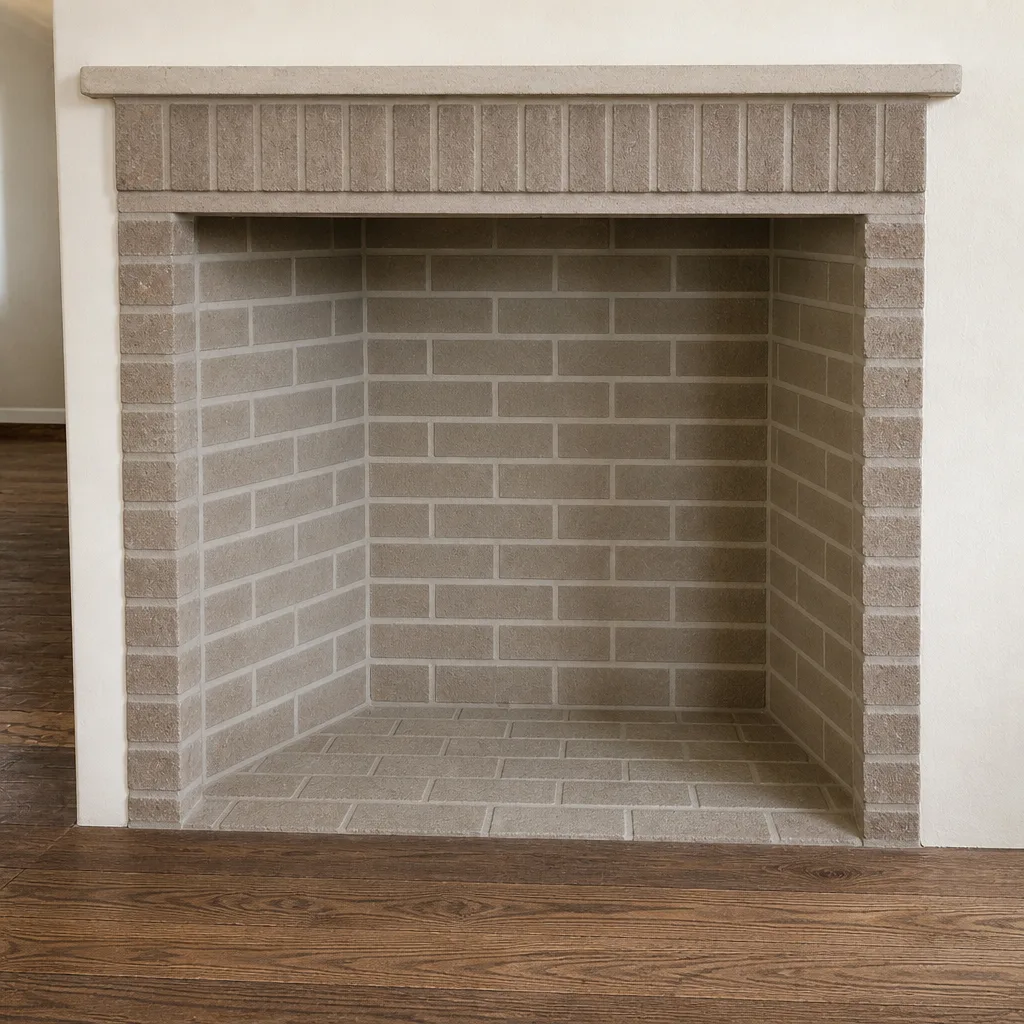
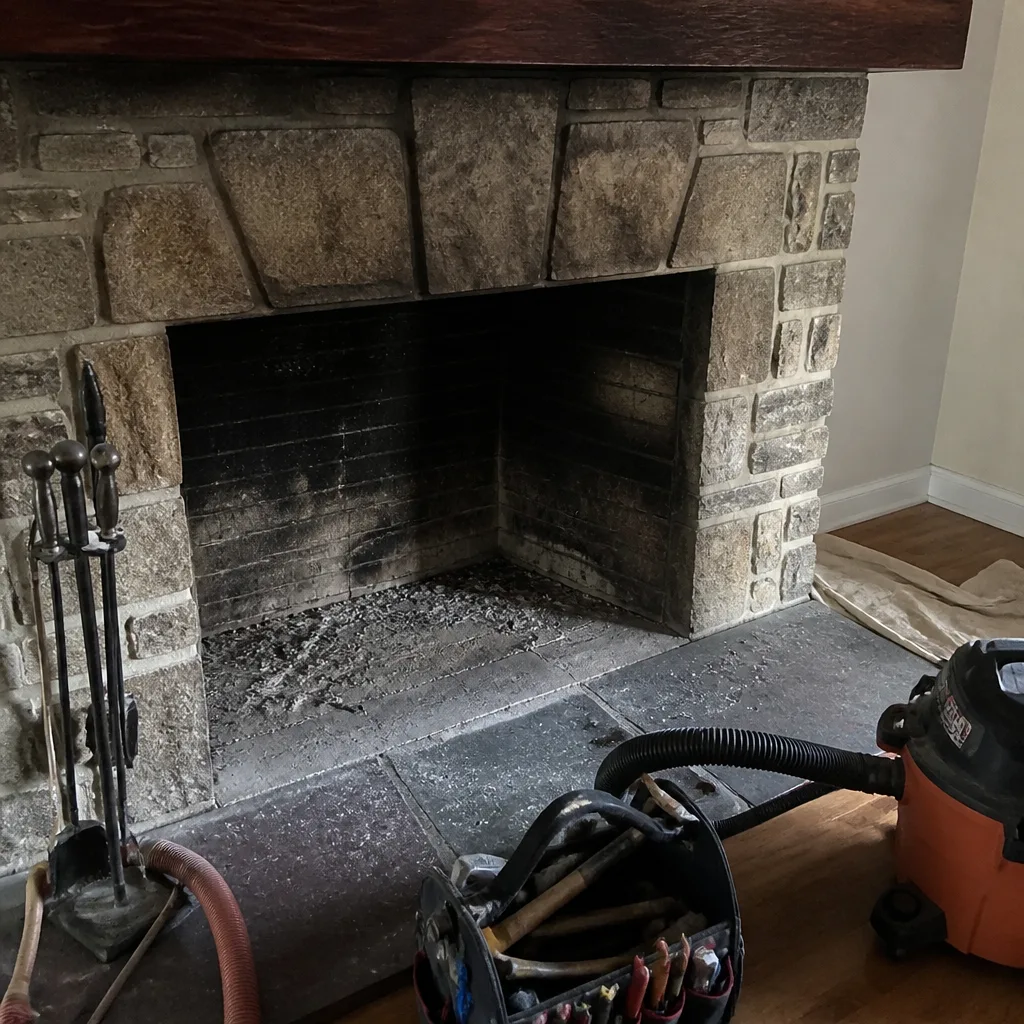
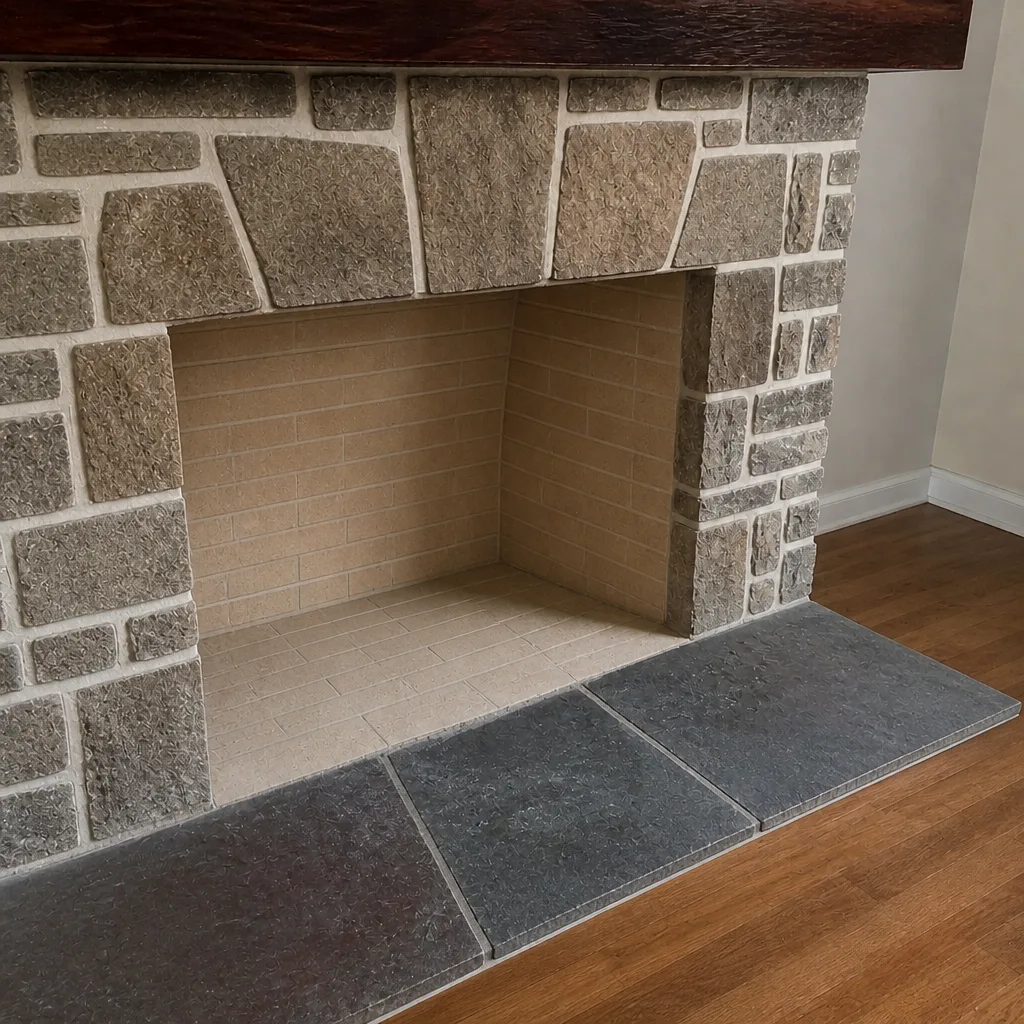
See the difference
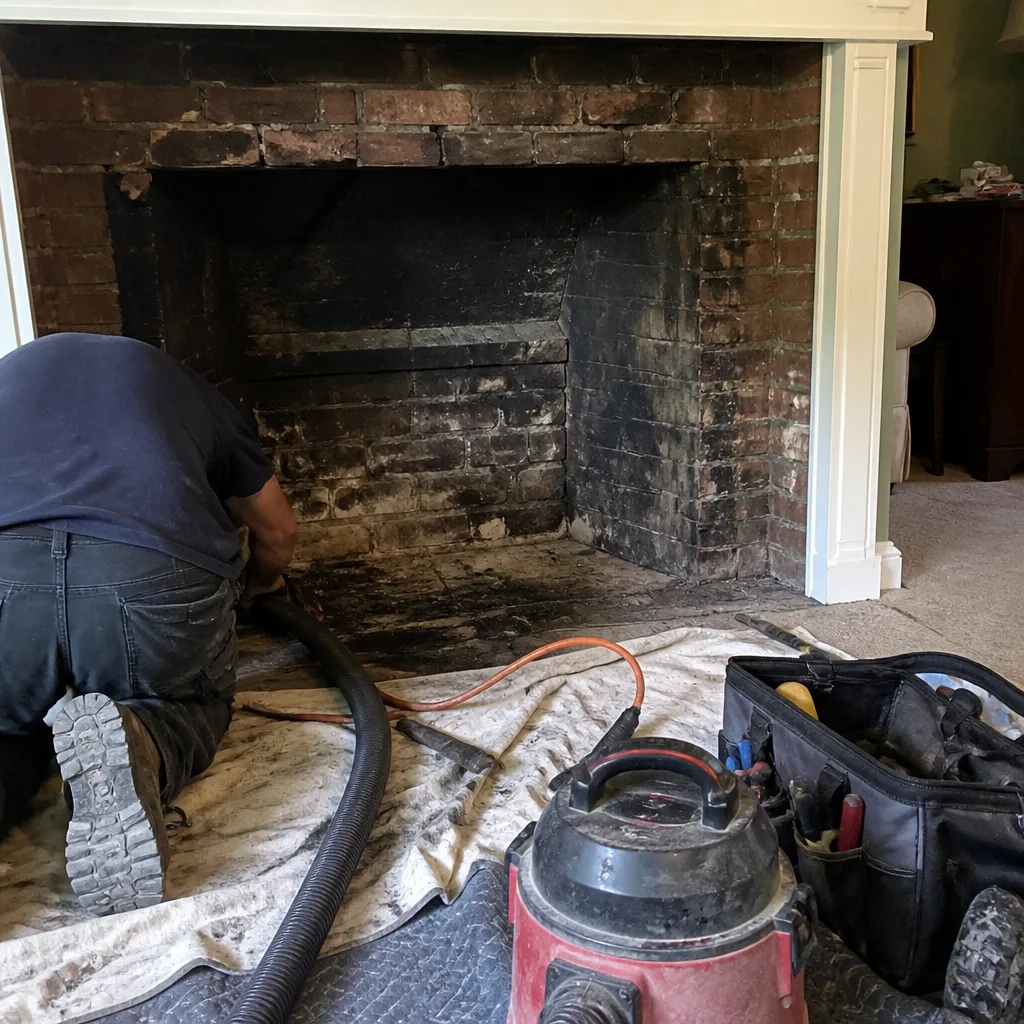 Before
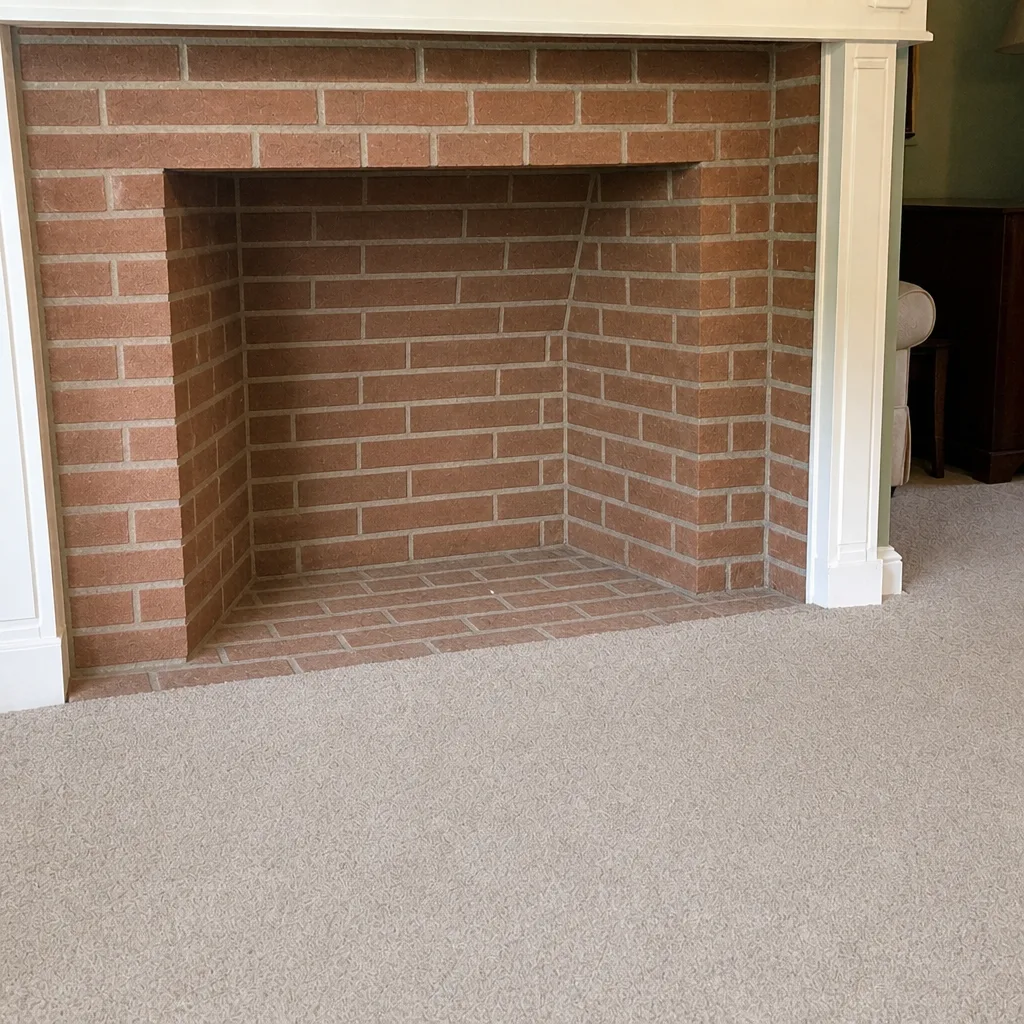 After
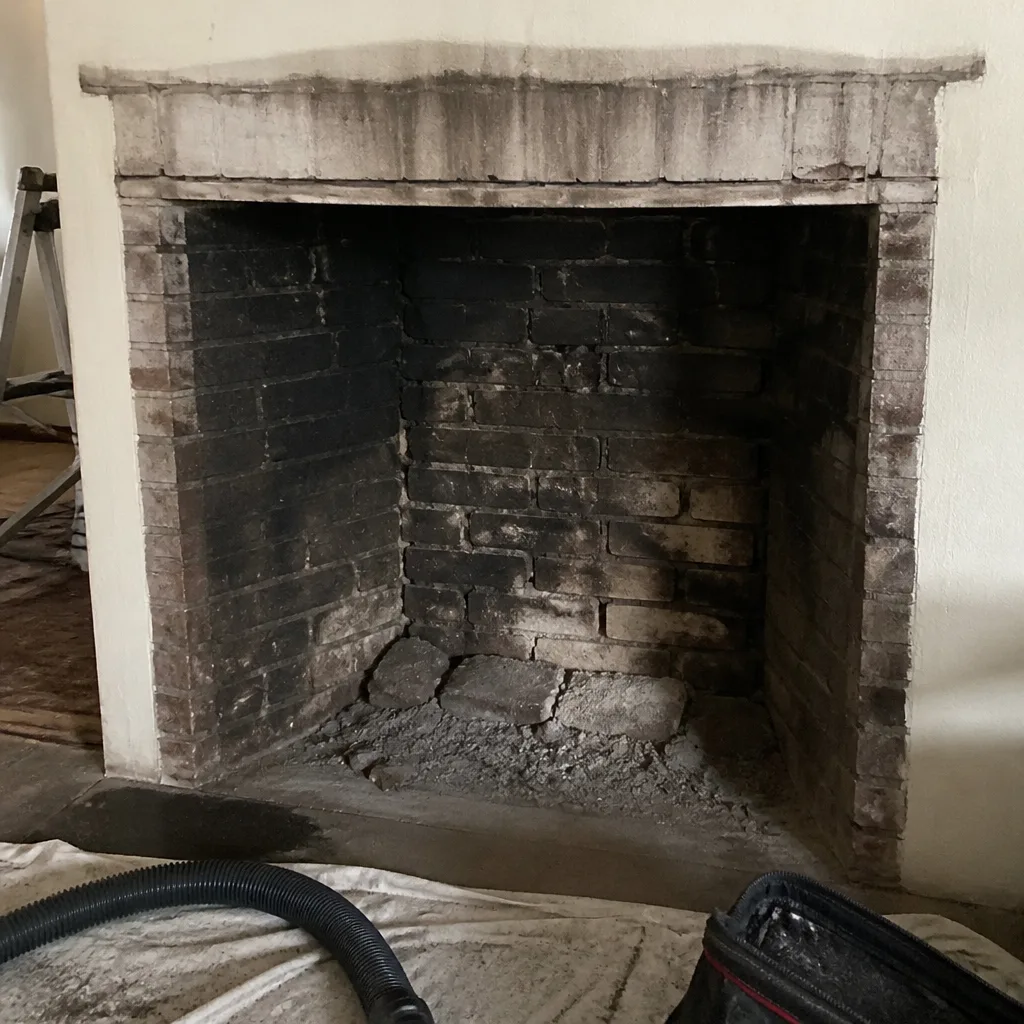 Before
 After
 Before
 After
When to Call a Professional
You should call a chimney professional when you see glazed or thick creosote, when the firebox brick or mortar is loose or broken, when you notice water stains or rust near the chimney, or when it’s simply been a year since the last inspection. Those situations need a trained set of eyes and the right tools, not a flashlight check.
We use professional-grade materials from brands that trade pros rely on, including Gelco and Olympia Chimney, because a sweep, cap, or liner job should be done once and done to last. Our technicians have up to 9 years of experience. The inspection that comes with a sweep includes a written assessment of what we found, so you can see it before anything is recommended. Chimney Sweep Fox Chase offers free estimates in Fox Chase. Call (844) 526-7704. We answer 24/7. Fast dispatch from 7am to 7pm, Sunday through Friday.
Frequently Asked Questions
Once a year for a wood-burning chimney, with a Level 1 inspection each time. If you burn heavily, or see buildup past 1/8 inch, you’ll want it more often, sometimes twice a season. Gas appliances can go longer between sweeps but still need an annual inspection. Call (844) 526-7704 for an exact schedule based on your setup; estimates are free.
Yes, and the inspection should be part of the same visit. Sweeping clears the flue; inspection assesses the liner, cap, crown, and firebox for damage or hazards. They answer different questions. A sweep without an inspection tells you the flue is clean, not that it’s sound.
Spring is generally better. Removing creosote before the humid summer prevents it from sitting wet and acidic against the liner for months. It also gets you ahead of the fall rush, giving you time to address any findings before the heating season. Fall works, it’s just later than necessary.
Deposits stay in the flue, and heavy or glazed creosote is a fire hazard if it ignites. Even without a fire, acidic creosote can damage the liner over time, and a blocked flue from debris or a damaged cap can back smoke or carbon monoxide into the house. Skipping one season isn’t a disaster, but skipping several lets small problems become repairs. Call (844) 526-7704 to get back on schedule; estimates are free.
Usually not every visit, but it does need an annual Level 1 inspection. Gas appliances have no creosote in the wood-burning sense, but debris, nesting, and masonry issues can block the vent, and a blocked gas vent is a carbon monoxide concern. The inspection confirms the vent is clear and the appliance is venting safely.
The inspection tells you, based on the condition of the flue interior. Minor deterioration in a clay flue can often be restored with HeatShield ceramic resurfacing. Severe damage, or an unlined chimney, usually calls for a stainless flexible liner like DuraFlex. Either way, the decision should be based on what the camera shows, not guesswork. Call (844) 526-7704 for an assessment; estimates are free.
The Bottom Line
The annual sweep is the floor, not the ceiling. Wood-burning systems need a sweep and a Level 1 inspection every year, and more if you burn heavily or find thick buildup. Gas appliances need the annual inspection but can stretch sweeps when the flue is clear. Check your flue yourself with a flashlight against the 1/8-inch rule, sweep in spring to protect the liner from summer humidity, run the 10-minute pre-season walkthrough, and let a liner rebuild or resurfacing adjust the interval, not erase it. The point is to know what’s in your flue and act on it before it becomes a repair.
If it’s been a year, or you’re not sure what’s in the flue, call Chimney Sweep Fox Chase at (844) 526-7704. We answer 24/7. Fast dispatch from 7am to 7pm, Sunday through Friday. We’ll look, tell you what we found, and give you a free written estimate.
Written by the team at Chimney Sweep Fox Chase.