
Last updated November 22, 2026
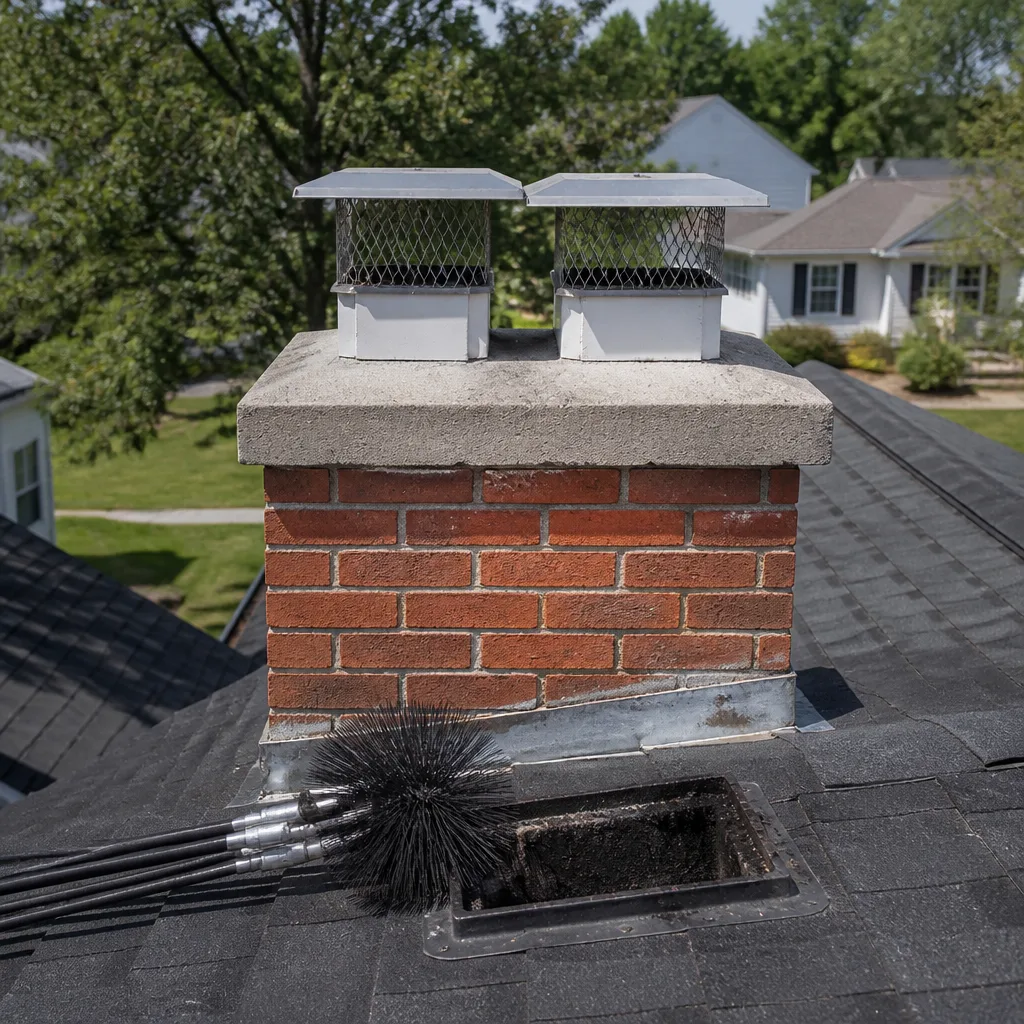 Sweep & inspection
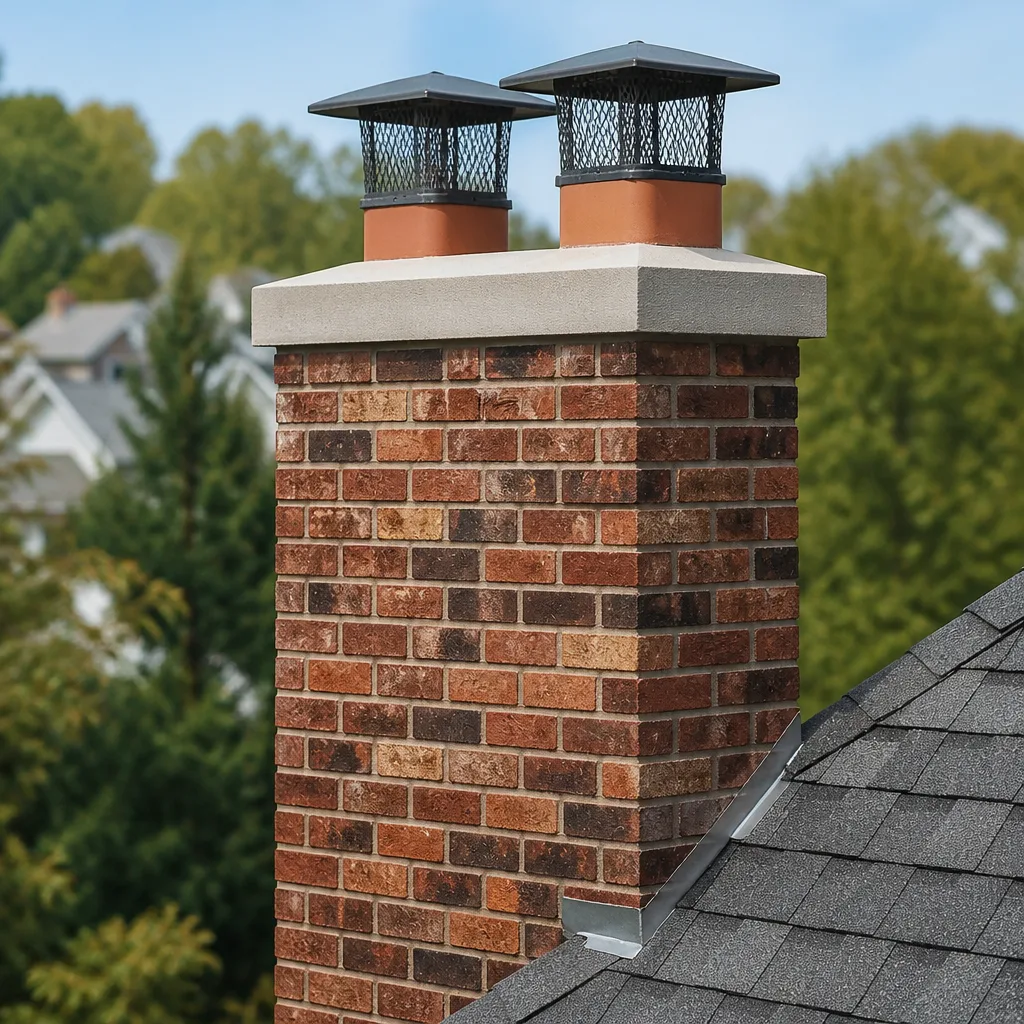 Caps & crowns
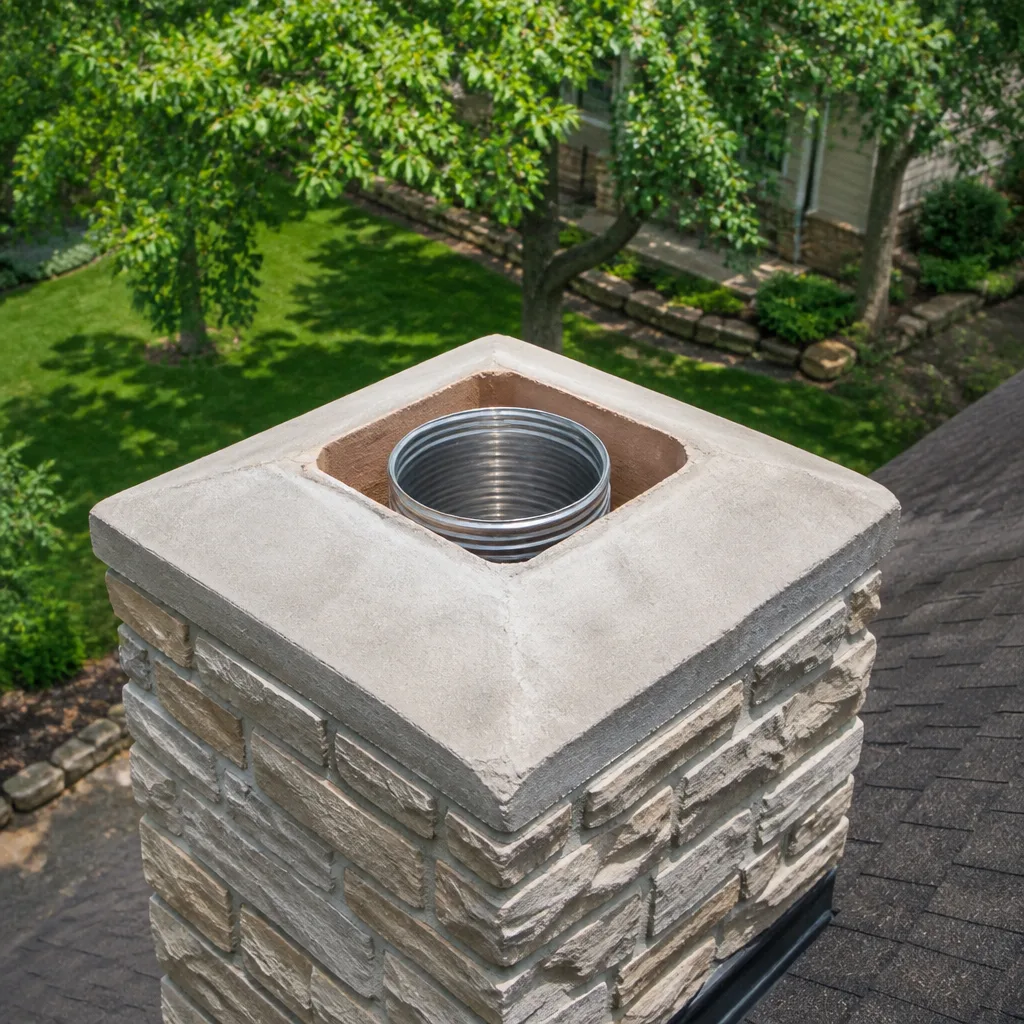 Flue relining
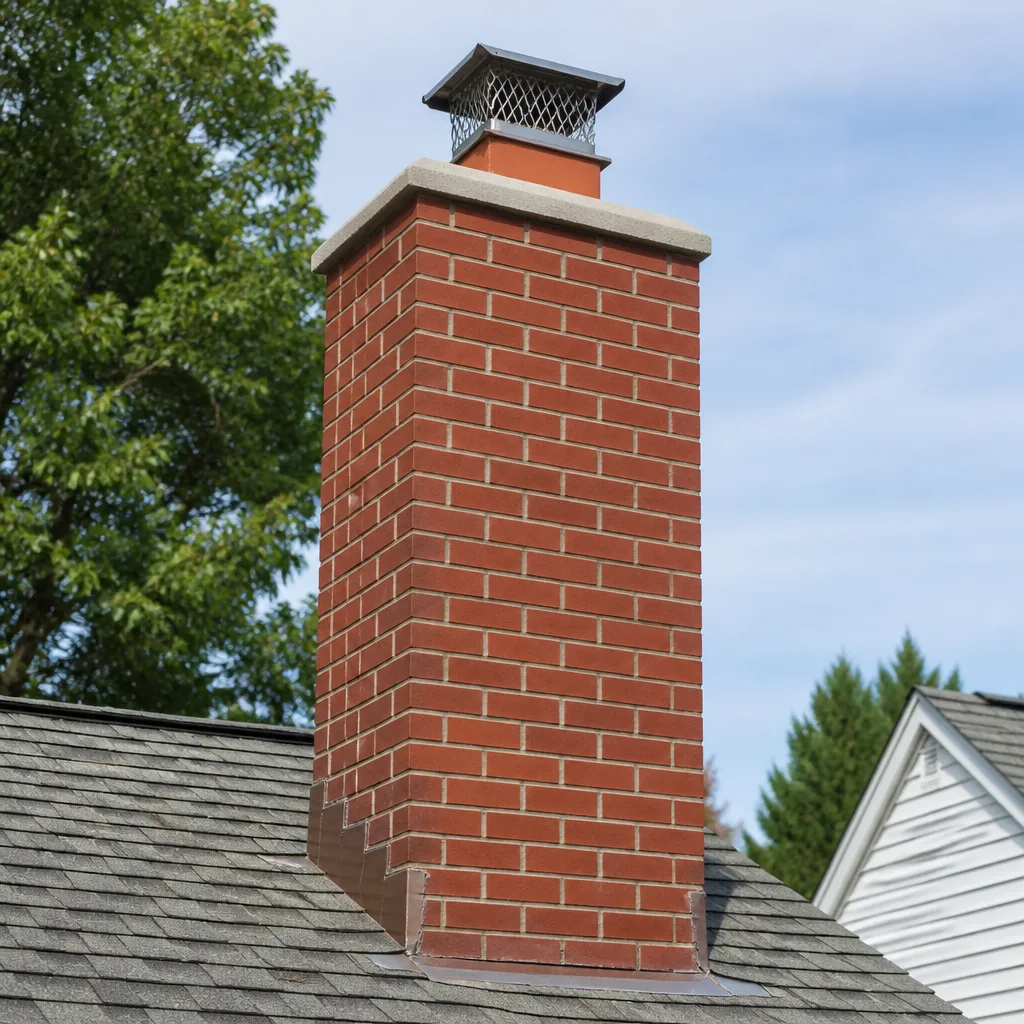 Masonry repair
 Gas fireplace service
Level 1 sweep and inspection to the NFPA 211 annual standard - flue, crown, cap, and flashing checked and photographed
Chimney sweep logs do not sweep chimneys. They loosen some creosote - which then falls where a brush and vacuum still have to collect it.
Chimney Sweep Troubleshooting in Fox Chase: Common Problems and How to Fix Them
A smoky fireplace is the symptom. The cause could be one of seven different things, and only one of them is solved by sweeping. That’s the part most homeowners miss when they call around looking for a cleaning. In Fox Chase, where a lot of the housing stock was built with masonry fireplaces that have since been through decades of burns and weather, the smoke backing into your living room is often a draft issue, a damper issue, or a flue that’s mismatched to the firebox, not a creosote problem. This guide walks you through how to tell those apart, what each fix actually involves, and when it’s time to stop lighting fires until someone qualified looks at it.
Quick Answer
Most chimney problems that look like “it needs a sweep” are actually draft failures, damper malfunctions, flue sizing mismatches, or water intrusion, and cleaning alone won’t fix any of those. A proper diagnosis starts with a camera inspection of the flue and firebox so you can see the actual condition before anyone recommends work. In Fox Chase, the first cold snap of fall is when most of these problems show up, because a cold flue is the single most common reason a fireplace that worked fine last spring smokes on the first fire of the season.
Styles & brands we work with
- Sweep & inspection
- Caps & crowns
- Flue relining
- Masonry repair
- Gas fireplace service
Table of Contents
- The Seven Causes of a Smoking Fireplace
- Creosote Restriction vs. Draft Failure: How to Tell Them Apart
- The Cold Flue Problem: Why It Smokes in Fall
- Damper Problems and What They Look Like
- Water Staining vs. Creosote Staining
- Negative Pressure in Tighter Fox Chase Homes
- When to Stop Using the Fireplace Entirely
- When to Call a Professional
The Seven Causes of a Smoking Fireplace
When a fireplace smokes, there are exactly seven things we look at before anything else. Knowing which one you’re dealing with tells you whether a sweep will fix it or whether you’re looking at a structural repair. Here they are, in the order we check them:
- Creosote restriction. Enough glazed or sooty buildup in the flue to narrow the passage. This is the one a sweep actually solves.
- Draft failure from a cold flue. The flue column is colder than the room, so smoke won’t rise until it warms. Common on first fires of the season.
- Damper problems. A damper that won’t open fully, is stuck, or has rusted into a half-open position.
- Flue sizing mismatch. The flue is too large or too small for the firebox opening, so the fireplace can’t establish proper draft no matter how clean it is.
- Blockage from the outside. A bird nest, leaves, a collapsed cap, or debris sitting on top of the flue.
- Negative pressure in the house. The house is tighter than the fireplace can pull against, so air comes down the chimney instead of up.
- Structural damage. Cracked flue tiles, a failed crown, or a firebox that’s spalling.
Only item one is a cleaning job. Items two through seven need diagnosis, and several of them need repair before the fireplace is safe to use. In Fox Chase, the older masonry chimneys we see tend to land on items four and seven more often than homeowners expect, because the original flues were sized for the way people burned fifty years ago, not for the way a modern fire burns today. If you want a baseline on flue condition before guessing, a chimney sweep with a camera inspection is the place to start.
Creosote Restriction vs. Draft Failure: How to Tell Them Apart
The difference between a creosote restriction and a draft failure is where the smoke goes and when. A creosote restriction pushes smoke back into the room throughout the burn, getting worse as the fire gets hotter. A draft failure pushes smoke back at startup, then improves once the flue warms up. That single behavioral difference tells you which problem you have before anyone opens the flue.
Here’s how to read the two:
- Smoke at startup only, clears after 10 to 15 minutes: draft failure. The flue is cold or the house is under negative pressure. A sweep won’t fix it.
- Smoke throughout the burn, worse as the fire grows: restriction. Creosote or a blockage is narrowing the flue. A sweep is the fix.
- Smoke that pulses or puffs in rhythm with the fire: flue sizing mismatch or a partial blockage. Needs inspection before you assume either.
- Smoke plus a strong tar or asphalt smell: glazed creosote, which is a fire hazard and doesn’t come off with a brush. HeatShield resurfacing is often the right answer here.
In Fox Chase, we see plenty of glazed creosote in fireplaces that get burned hot and slow, which is common when homeowners load up the firebox and damper it down for a long evening. Glazed creosote is the dangerous kind, and it’s the reason a standard sweep sometimes isn’t enough. A camera inspection shows you exactly how much is there and where it’s sitting, so you’re not guessing. Nothing gets recommended without photo evidence you can look at yourself.
The Cold Flue Problem: Why It Smokes in Fall
A fireplace that worked fine in April smokes in October because the flue column is full of cold, dense air that won’t rise until it’s warmed. Smoke rises on heat, and if the flue is cold, the smoke has nowhere to go but out the firebox opening and into your room. This is the most common first-fire-of-the-season complaint in Fox Chase, and it’s not a defect in the chimney. It’s physics.
The fix is to warm the flue before you light the fire. Here’s the sequence we recommend:
- Open the damper fully and confirm it’s actually open by looking up the flue with a flashlight.
- Hold a rolled newspaper torch up near the damper for 30 to 60 seconds. You’ll feel the draft reverse as the flue warms.
- Light a small kindling fire first and let it burn hot for several minutes before adding larger wood.
- Don’t damper the fire down until the flue is fully warm and drawing steadily.
If the flue won’t warm and the smoke keeps coming down even with the torch trick, that’s a sign of something else: negative pressure, a blockage, or a flue that’s too large to heat with a small fire. In Fox Chase, homes with tall exterior chimneys are especially prone to the cold flue problem, because the flue run sits outside the heated envelope of the house and stays cold longer. If the torch trick works every fall, that’s your answer; if it stops working, that’s when you call for a look.
Damper Problems and What They Look Like
A damper that won’t open fully is one of the most underdiagnosed chimney problems, because it looks exactly like a smoking fireplace. If the damper is stuck half-open, rusted, or has a broken hinge, smoke has nowhere to go. The fire is fine. The chimney is fine. The damper is the problem.
Here’s what to check before calling anyone:
- Look up the flue with a flashlight while the damper handle is in the open position. You should see a clear opening, not a metal plate at an angle.
- Move the handle through its full range. If it moves freely but the plate doesn’t follow, the linkage is broken.
- Listen for scraping or grinding. That’s rust or debris in the damper frame.
- Check for a top-sealing damper if you have one. Those are cable-operated, and the cable sometimes slips or snaps.
Damper repair is well within the scope of a full-service chimney company, and it’s one of the reasons we don’t treat a sweep as the end of the conversation. When we inspect a Fox Chase fireplace, we check the damper as part of the same visit, because a homeowner who pays for a cleaning and still has a smoking fireplace hasn’t actually been helped. If the damper needs replacing, we handle it; if the firebox has cracked panels that need attention, our chimney repair work covers the firebox as well as the flue above it.
Water Staining vs. Creosote Staining
Water staining and creosote staining look similar from across the room, and they mean completely different things. Water staining on the firebox walls, damper frame, or smoke chamber is brown, uneven, and usually accompanied by rust, white mineral deposits, or a musty smell. Creosote staining is black or dark brown, glossy or crusty, and concentrated in the upper flue and smoke chamber where the smoke cools.
Here’s how to tell them apart:
- Water staining is patchy and runs downward. It usually starts near the top of the firebox or around the damper and spreads. It often comes with a rusty damper, flaking paint on the smoke chamber, or a white powdery residue on the brick.
- Creosote staining coats evenly and tends to be glossy where it’s heaviest. It smells like tar or burnt wood, not damp. It builds up over seasons, not overnight.
- Both at once means the chimney has been leaking for a while and the creosote has been building on top of the water damage. That’s a repair job, not a sweep.
Water staining in a Fox Chase chimney almost always traces back to a failed crown or a missing or damaged cap. The chimney cap & crown work we do addresses the two leading causes of chimney water damage, and it’s often the cheapest repair that prevents the most expensive damage. A cracked crown lets water soak into the masonry, and once that freeze-thaw cycle starts in a Pennsylvania winter, the brick and mortar start coming apart. If you’re seeing water stains, get the top of the chimney looked at before the next freeze.
Negative Pressure in Tighter Fox Chase Homes
Negative pressure means the air pressure inside your house is lower than outside, so the house pulls air down the chimney instead of letting the fireplace push smoke up it. Modern homes, and older Fox Chase homes that have been tightened up through a renovation, are the most common cases. New windows, spray foam, better weatherstripping, and a powerful kitchen exhaust fan can all push a house into negative pressure and turn a perfectly good fireplace into a smoker.
Opening a window on the fire side of the room is a diagnostic tool, not a fix. If cracking a window makes the fireplace draw correctly, you’ve confirmed negative pressure. That tells you the chimney itself is fine and the problem is the house’s air balance. The window is not a permanent answer, because you can’t heat a room with a window open all winter, but it’s a useful test before you spend money on chimney work that won’t solve anything.
Here’s a quick test sequence:
- Light the fire and let it burn for several minutes until it’s smoking steadily.
- Crack the nearest window about an inch.
- Watch the smoke. If it reverses and starts drawing up the flue, you have negative pressure.
- Close the window and check again. If the smoking returns, the diagnosis holds.
In Fox Chase, we see negative pressure most often in homes that have had a recent kitchen or basement renovation, or that added a high-CFM range hood. The fix isn’t a chimney repair; it’s a make-up air solution or a change in how the fireplace is vented. We’ll tell you that plainly if it’s what we find, because recommending a liner to solve a pressure problem wastes your money and ours.
When to Stop Using the Fireplace Entirely
Some symptoms are a clear stop signal. If you smell oil, tar, or asphalt coming from the fireplace when it’s not burning, if you can see visible cracking in the firebox brick or the flue tiles, or if you see white efflorescence on the firebox or chimney exterior, stop using the fireplace until it’s been inspected. Those three signs point to problems that can compromise the flue and put carbon monoxide or fire risk into your home, and no amount of sweeping fixes them.
Here’s the full list of stop-using conditions we look for:
- Oil, tar, or asphalt smell with no fire burning, which points to glazed creosote or a failing flue liner.
- Visible cracking in the firebox brick, the firebox mortar joints, or the flue tiles above the damper.
- White efflorescence on the firebox or the chimney exterior, which means water is moving through the masonry and leaving mineral deposits behind.
- Pieces of tile or mortar on the smoke shelf or damper, which means the flue above is breaking down.
- Carbon monoxide detector going off when the fireplace is in use, which is a stop-using-and-ventilate situation, not a call-it-in-tomorrow situation.
We don’t say this to scare anyone into work. We say it because a chimney that’s showing those signs is telling you something specific, and the fix is a repair or a reline, not a cleaning. If the flue is deteriorating but not yet collapsed, HeatShield ceramic resurfacing can restore it without a full liner replacement, and DuraFlex flexible liner systems are the standard answer when the existing flue needs relining to stay code-compliant. Either way, the diagnosis comes first, and you should see the camera evidence before you decide.
Common Mistakes to Avoid
- Assuming a smoke problem means it needs a sweep. As this guide shows, most smoking fireplaces need diagnosis, not cleaning. Paying for a sweep when the real problem is a damper or draft issue leaves you with the same fire and less money.
- Opening a window and calling it fixed. Cracking a window proves you have negative pressure, but it doesn’t solve anything over the winter. Use it as a test, then get the underlying pressure problem addressed.
- Burning wet or green wood to “save money.” In Fox Chase, where wood is often stacked in the fall and burned within weeks, unseasoned wood is a major source of glazed creosote. Seasoned wood burns hotter and cleaner, and it’s the single best thing you can do for flue health.
- Ignoring water stains on the firebox. Water staining means the crown or cap has failed, and the freeze-thaw cycle in a Pennsylvania winter turns that into cracked masonry within a season or two. Fix the top of the chimney before the water gets into the structure.
- Dampering the fire down for an overnight burn. Long, slow, smoldering fires are the leading cause of glazed creosote. If you want overnight heat, a properly sized flue and a hot burn are safer than a damped-down fire.
- Hiring a sweep-only company for a structural problem. A sweep can clean a flue, but damper repair, crown work, relining, and firebox repair need a full-service chimney company. If your problem isn’t solved by cleaning, make sure the person you call can actually do the repair.
- Skipping the camera inspection. Any recommendation without photo evidence is a guess. Ask to see the inside of the flue on a screen before you approve work, and walk away from anyone who won’t show you.
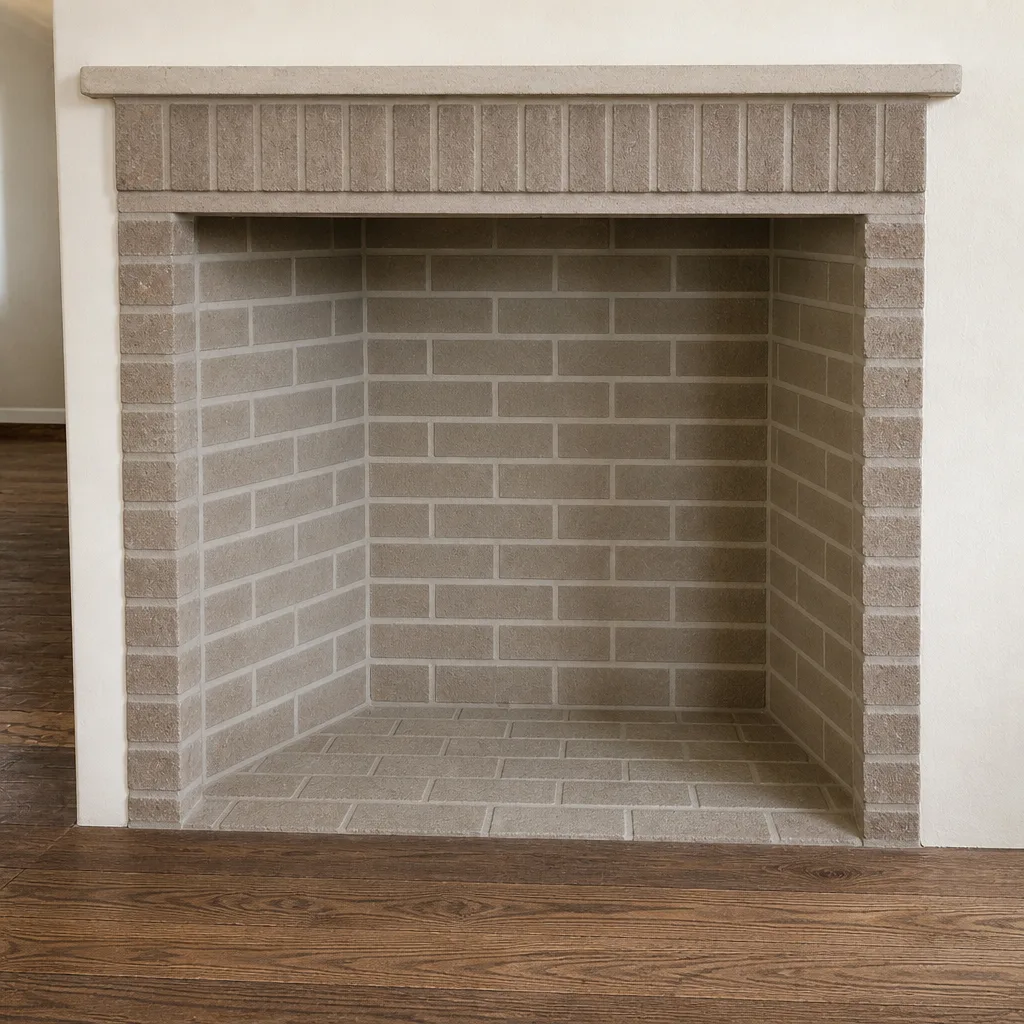
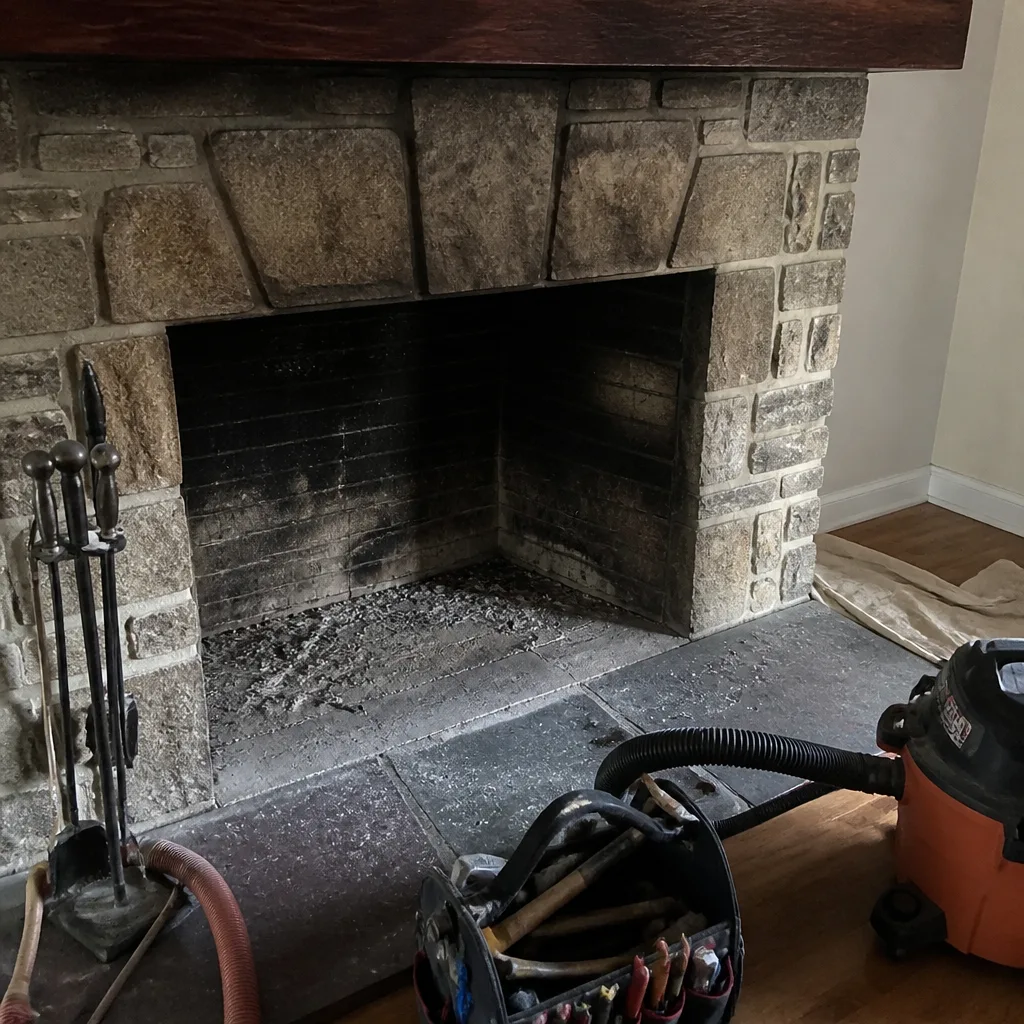
See the difference
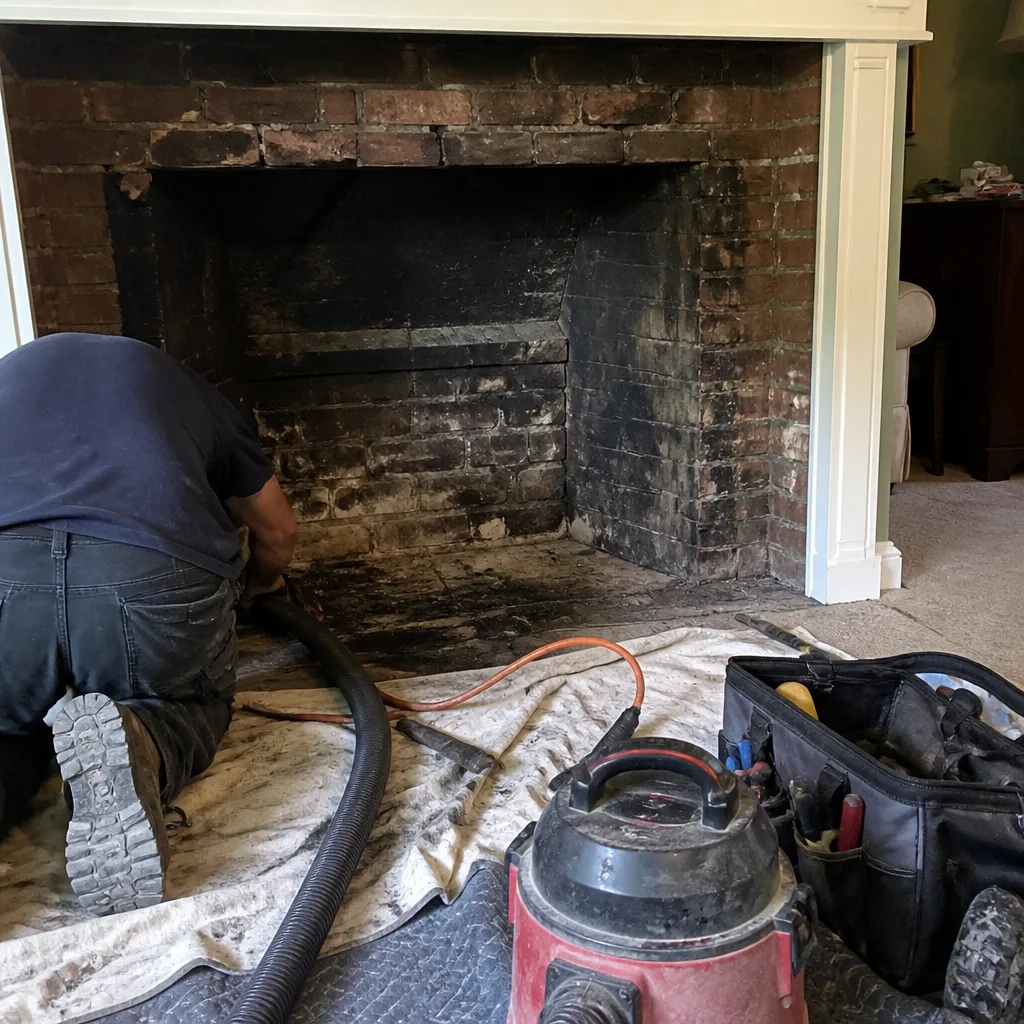 Before
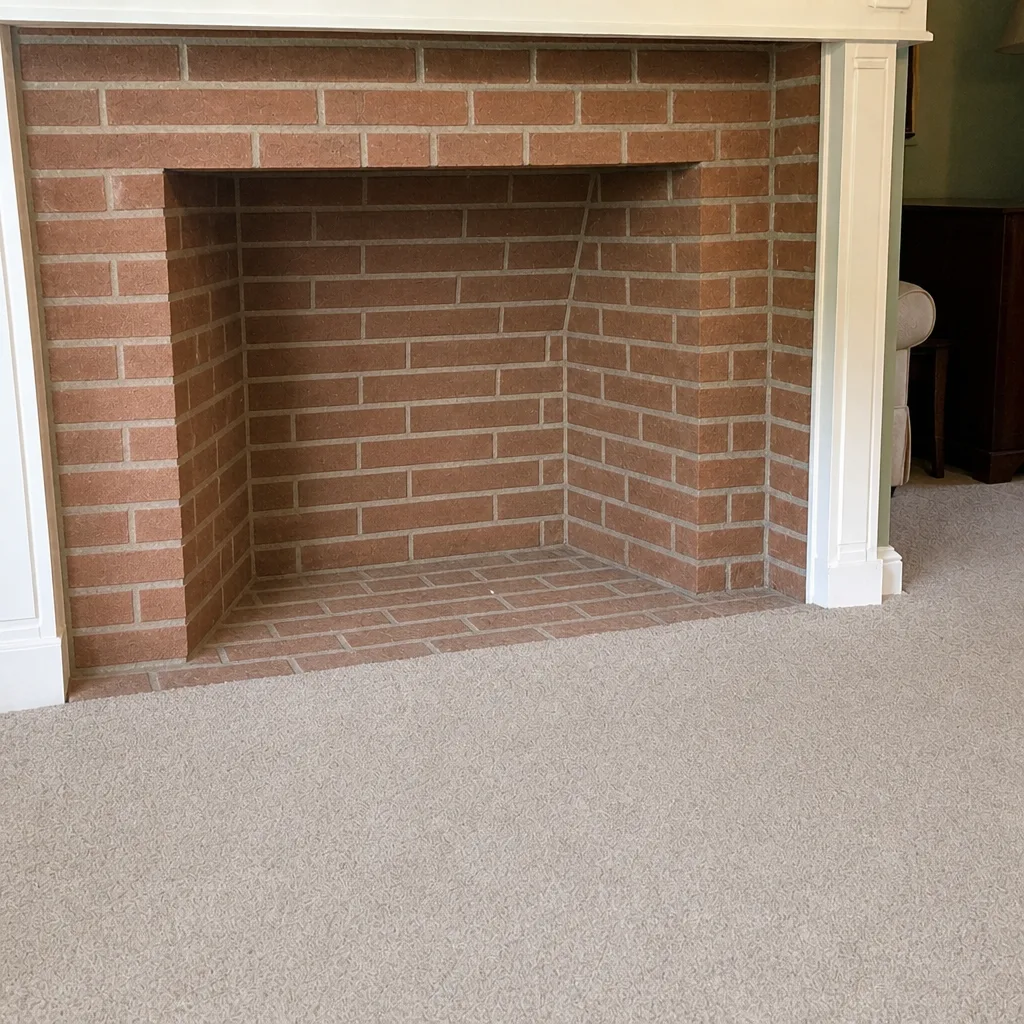 After
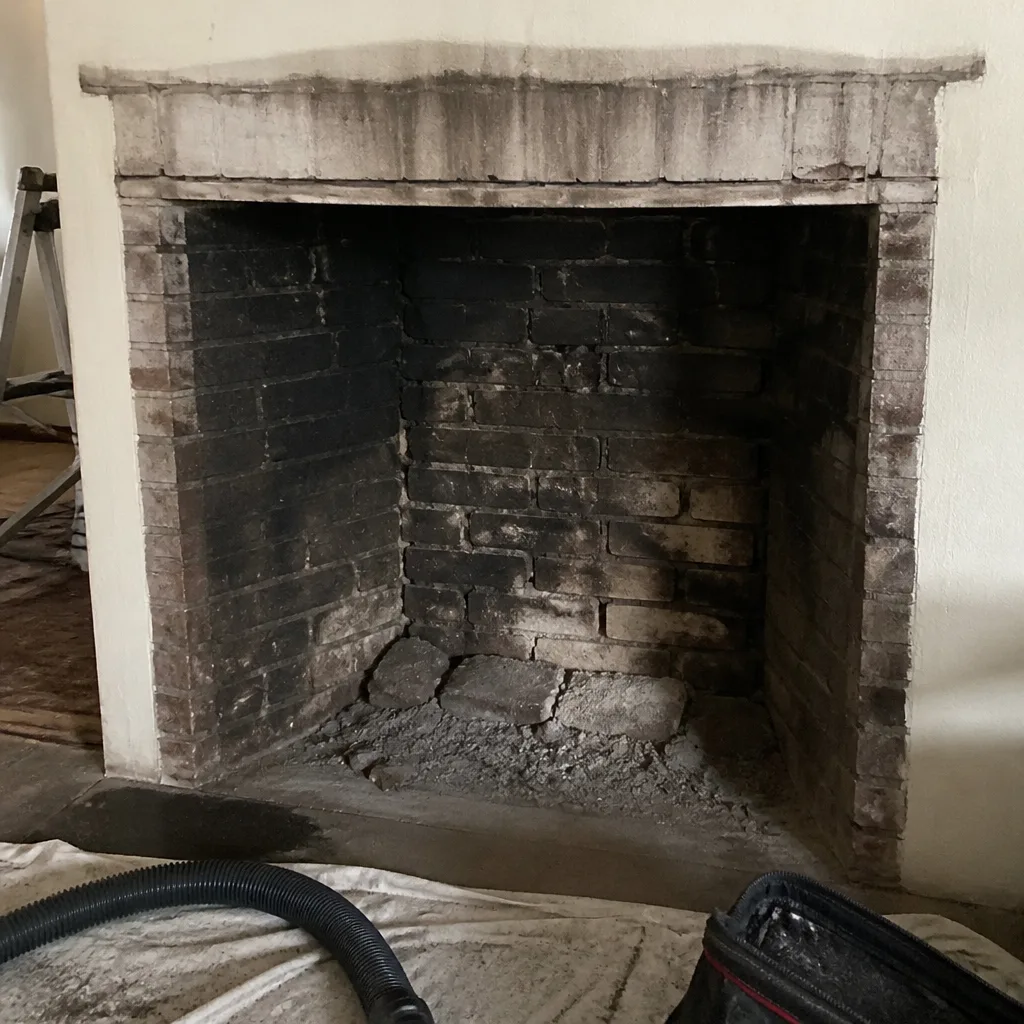 Before
 After
 Before
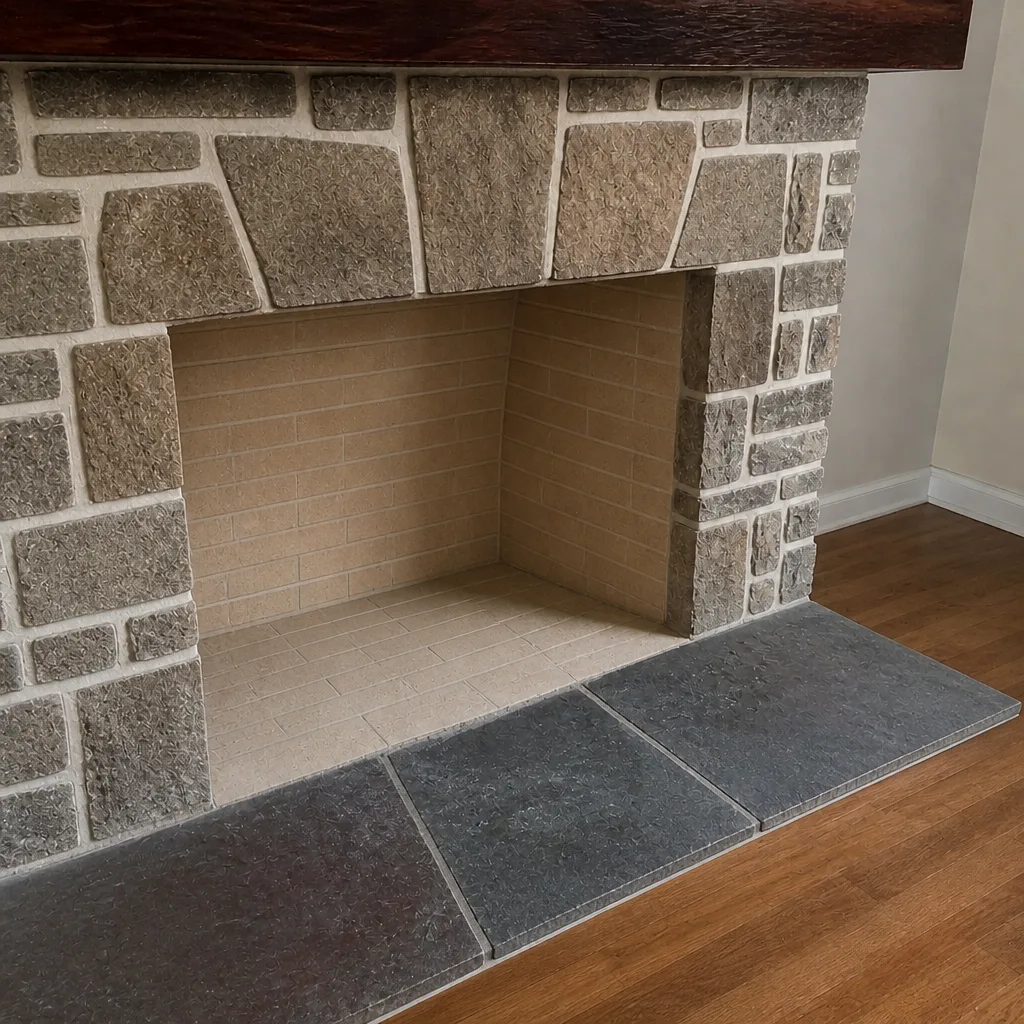 After
When to Call a Professional
Call a professional when the fireplace smokes throughout the burn, when you see any of the stop-using signs listed above, when water is staining the firebox or the exterior of the chimney, or when opening a window fixes the smoke but you can’t run the fireplace with a window open all winter. Also call when you’ve had a sweep and the problem came back. A smoking fireplace that’s already been cleaned means the cleaning wasn’t the answer, and it’s time for a full diagnosis instead of another sweep.
At Chimney Sweep Fox Chase, we handle the full range of chimney work under one company: sweeping, cap and crown work, repair, liner installation and rebuilding, and fireplace repair. You don’t have to coordinate a sweep from one company, a repair from another, and a liner from a third. We tell you what we found, what it means, and what fixing it actually involves, and nothing gets recommended without camera evidence you can see. Chimney Sweep Fox Chase offers free estimates in Fox Chase. Call (844) 526-7704. We answer 24/7. Fast dispatch from 7am to 7pm, Sunday through Friday.
Frequently Asked Questions
Because the flue is cold. Smoke rises on heat, and a cold flue column full of dense air won’t draw until it’s warmed. Warm the flue with a rolled newspaper torch held near the damper for 30 to 60 seconds, then light a small kindling fire first. If that stops working reliably, the cause has shifted to something structural, and it’s worth a camera inspection. Call (844) 526-7704 for a free estimate on a diagnosis.
You need a new liner when the existing flue is cracked, spalling, or no longer properly sized for the appliance, and you can see it on camera. If the flue is intact, a liner is not the answer, and HeatShield ceramic resurfacing can often restore a deteriorating flue without a full reline. Ask to see the inspection photos and get a written estimate. Call (844) 526-7704 for a free estimate, and we’ll show you what the camera sees.
Once a year for most households that burn regularly, and more often if you burn green wood or run the fire damped down for long periods. The National Fire Protection Association recommends an annual inspection, and in a Pennsylvania climate with a real heating season, that’s a sensible baseline. The inspection is what tells you whether a sweep is actually needed. Call (844) 526-7704 for a free estimate.
That’s efflorescence, and it means water is moving through the masonry and leaving mineral deposits behind as it dries. It’s not a cosmetic issue. It usually traces back to a failed crown, a damaged cap, or missing flashing, and it gets worse every freeze-thaw cycle. Stop using the fireplace and get the top of the chimney inspected. Call (844) 526-7704 for a free estimate.
Because the fan is pulling the house into negative pressure, and air is coming down the chimney to replace it. That’s a house air-balance problem, not a chimney defect, and opening a window confirms it in seconds. The fix usually involves make-up air or a change in how the fireplace vents. Call (844) 526-7704 for a free estimate on an inspection.
Some problems can safely wait, and we’ll tell you plainly when that’s the case. Cracking in the firebox, glazed creosote with a tar smell, efflorescence, and pieces of tile on the smoke shelf are all stop-using signs that don’t get better with less use. A clogged flue or a stuck damper can wait if you’re not burning. Anything that involves the flue’s integrity is worth fixing before the next burning season. Call (844) 526-7704 for a free estimate.
The Bottom Line
Most chimney problems in Fox Chase aren’t solved by a sweep. A cold flue, a stuck damper, a flue that’s the wrong size, negative pressure from a tightened-up house, and water intrusion all present as a smoking fireplace, and each one needs a different fix. The way to know which one you’re dealing with is a camera inspection with photo evidence you can see for yourself. Get that first, get a written estimate, and don’t let anyone recommend a liner or masonry repair you can’t verify on screen. If you’re seeing stop-using signs, stop using the fireplace until someone qualified has looked at it. Chimney Sweep Fox Chase handles the full range of chimney work under one company, from the annual sweep through cap and crown work, repair, relining, and fireplace repair, using professional-grade brands like HeatShield, DuraFlex, Gelco, and Olympia Chimney.
If you’re in Fox Chase and your fireplace is telling you something, we’ll tell you what it means. Call (844) 526-7704 for a free estimate. We answer 24/7. Fast dispatch from 7am to 7pm, Sunday through Friday.
Written by the team at Chimney Sweep Fox Chase.