
Last updated November 22, 2026
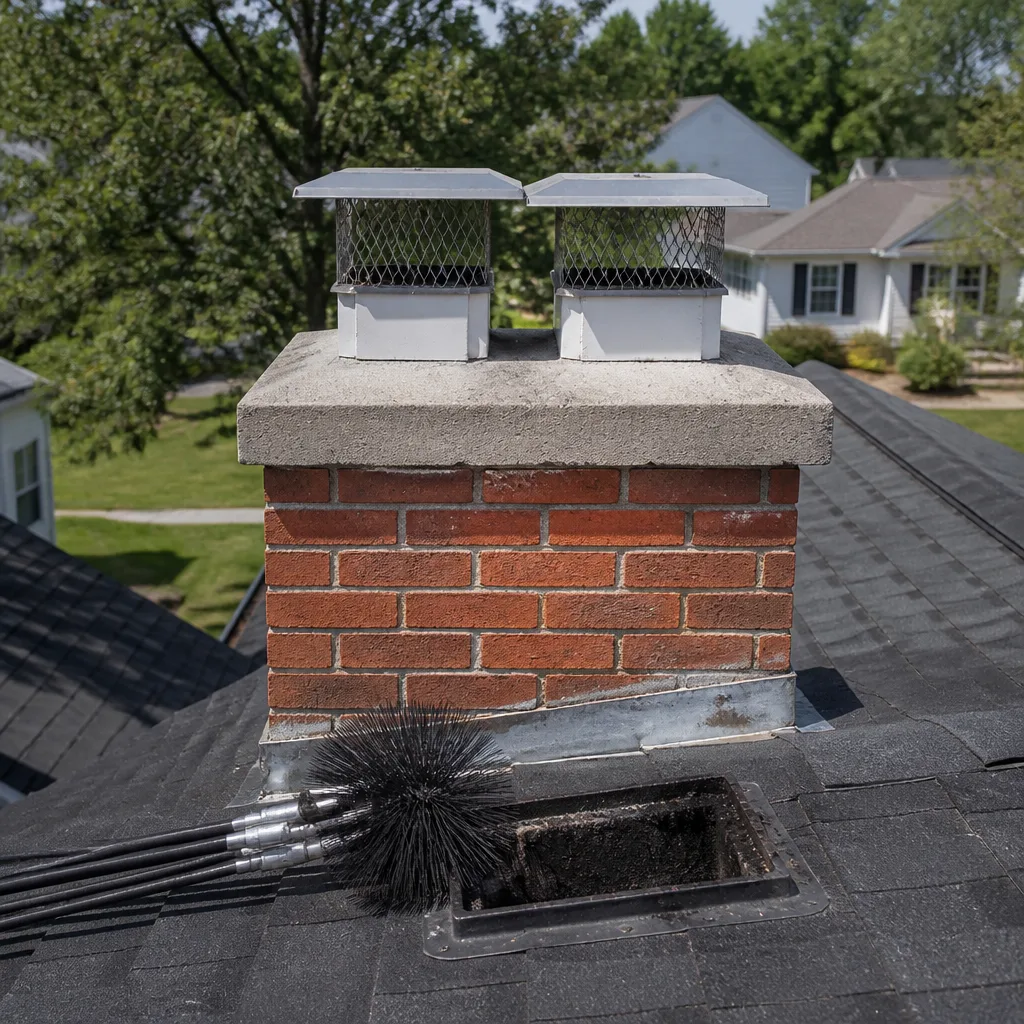 Sweep & inspection
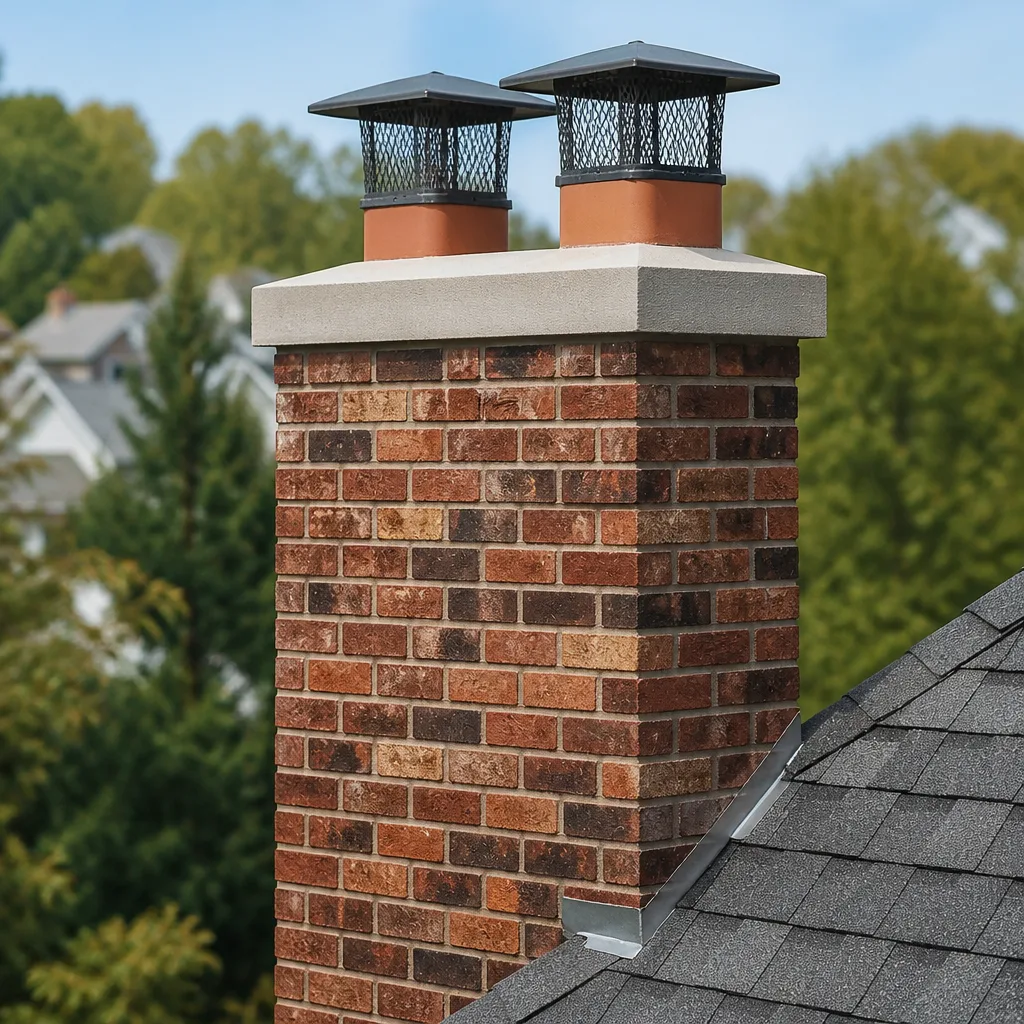 Caps & crowns
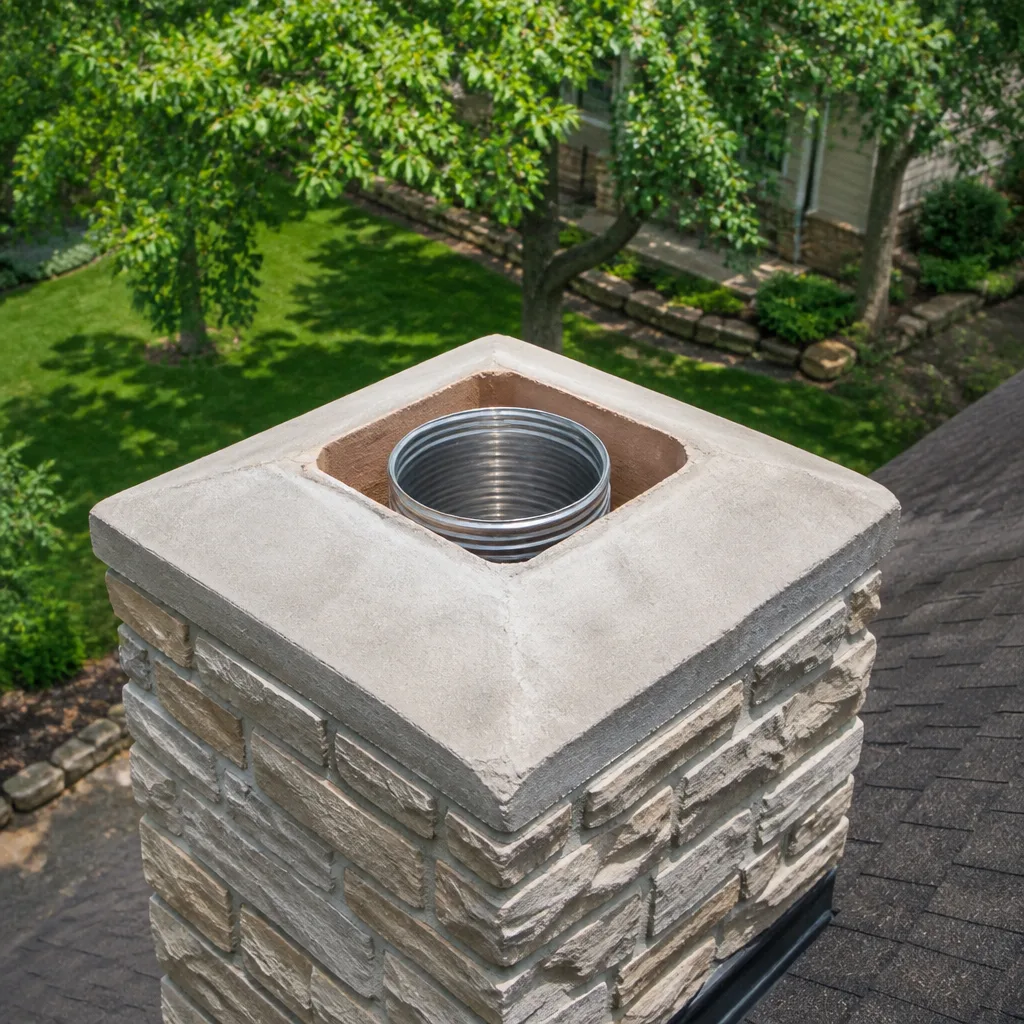 Flue relining
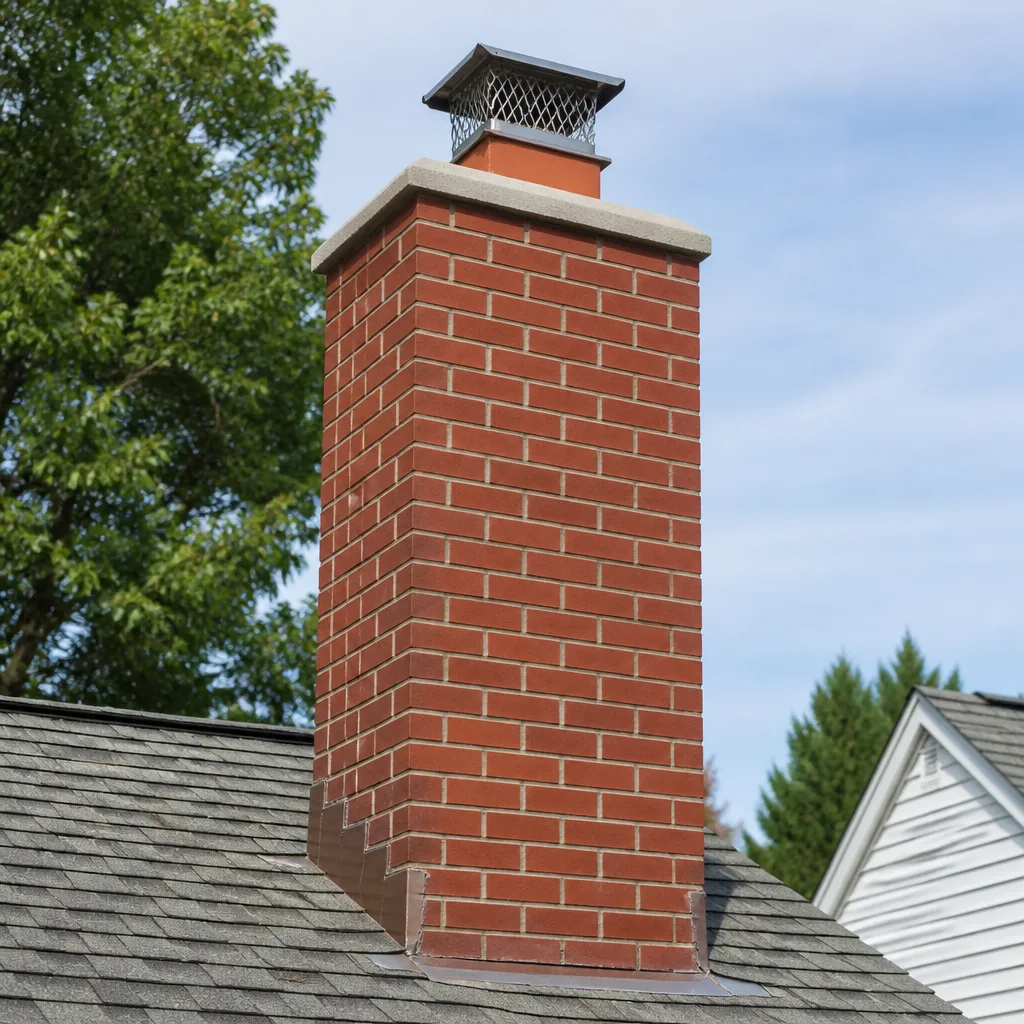 Masonry repair
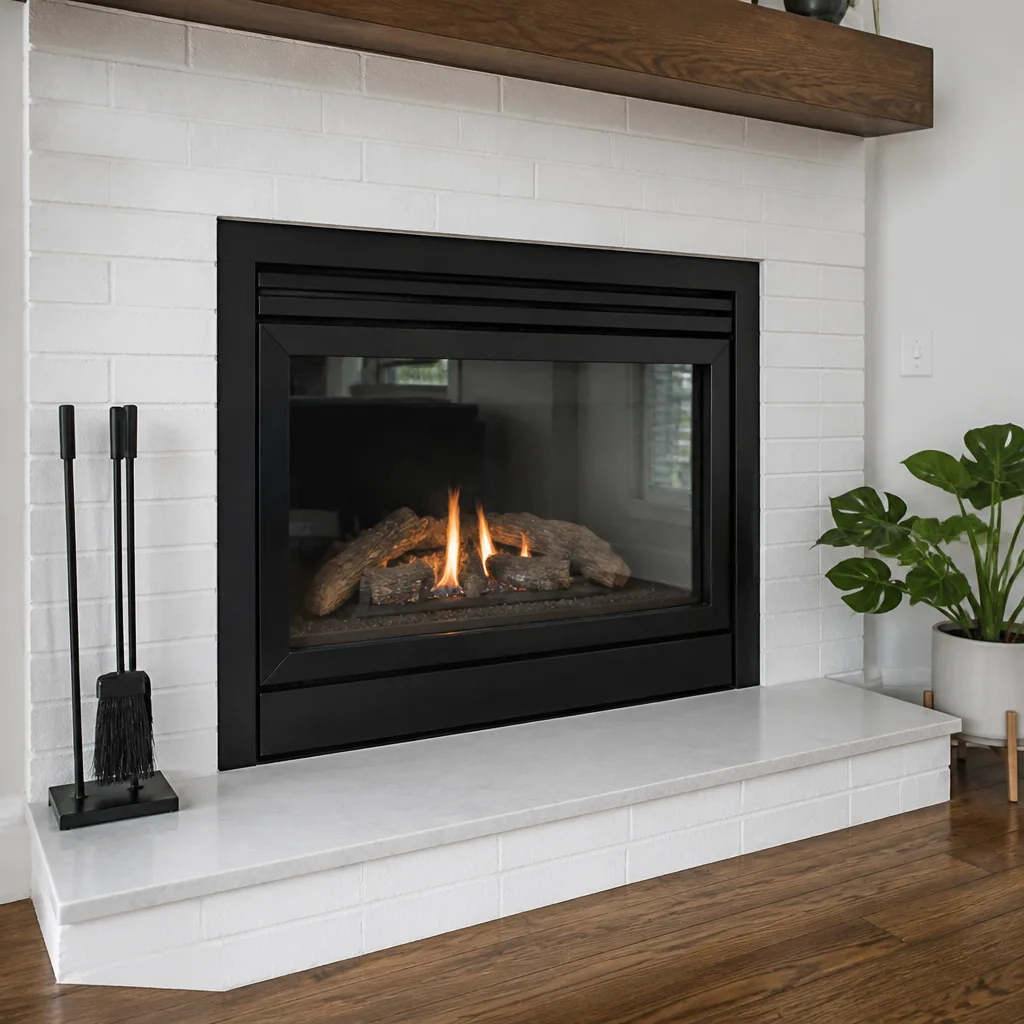 Gas fireplace service
Level 1 sweep and inspection to the NFPA 211 annual standard - flue, crown, cap, and flashing checked and photographed
Chimney sweep logs do not sweep chimneys. They loosen some creosote - which then falls where a brush and vacuum still have to collect it.
Choosing the Right Chimney Cleaning Brand: A Buyer’s Guide for Fox Chase
When a contractor parges your smoke chamber, the product they reach for matters more than most homeowners realize. You won’t see the difference at job completion. A properly applied HeatShield ceramic coating and a generic refractory cement patch can look nearly identical on day one. The gap shows up two winters later, when the inferior material spalls off in sheets and you’re right back where you started, minus the money. We’ve opened plenty of Fox Chase chimneys where a previous “repair” had already failed this way, and the pattern is almost always the same: good intentions, wrong materials. This guide covers the brush brands sweeps actually use, the liner systems that hold up, the repair mortars formulated for specific jobs, and the questions that separate a specialist from someone with a truck and a ladder.
Quick Answer
The right chimney cleaning brand depends on the task: Rutland, Gardus, and Copperfield brushes with professional rod stiffness for sweeping, Olympia Chimney and DuraFlex systems for relining, HeatShield ceramic technology for smoke chamber resurfacing, and penetrating sealers like ChimneySaver or CrownCoat for masonry protection against Fox Chase’s freeze-thaw cycles. A contractor who can name their materials and explain why each was chosen is usually working to a professional standard. One who says “whatever’s on the truck” usually isn’t.
Styles & brands we work with
- Sweep & inspection
- Caps & crowns
- Flue relining
- Masonry repair
- Gas fireplace service
Table of Contents
- The brands behind a proper sweep
- Liner brands that matter
- Smoke chamber and firebox materials
- Crown sealers and waterproofing in Fox Chase
- Using brand knowledge to vet a contractor
- Questions worth asking before you book
- Common mistakes to avoid
- When to call a professional
The Brands Behind a Proper Sweep
You might not think the brush matters. It does. The difference between a Rutland polypropylene brush with stiff professional-grade rods and the consumer kit you picked up at a big-box store is the difference between a chimney genuinely cleared of creosote and a surface swipe that leaves glazed deposits intact. The stiffness of the rods determines how much pressure you can apply to stubborn glazed creosote in the upper flue, and the bristle rating determines whether you scratch stainless liner or clean it properly. Consumer kits are intentionally forgiving because they’re designed for occasional, cautious use.
Professional sweeps work differently. The brushes we use are rated for the chimney’s actual construction:
- Polypropylene brushes from Rutland handle standard masonry flues, flexing through offsets without scratching the flue walls.
- Gardus brushes and whip heads are designed for tougher creosote on stainless liners, and the Gardus system produces a rotary cleaning action that reaches glazed deposits poly brushes miss.
- Copperfield brushes are built for professional durability and consistent bristle tension, which matters when a sweep is running hundreds of feet of rod through a chimney on a given day.
Why this matters in Fox Chase: many homes here were built between the 1940s and 1970s, and the flues in those homes are older masonry with more surface irregularity. A brush with the wrong bristle rating either skips the pitted areas or chews into mortar joints it shouldn’t touch. The right brush is one that matches your flue type, and a professional knows how to make that match before the rods go up. Our chimney sweep service starts with an inspection precisely so we choose the right tool for the flue in front of us.
Liner Brands That Matter
When your flue needs relining, the brand of liner determines whether you’re looking at twenty years of safe service or an expensive redo in five. Professional installs in the Fox Chase area usually feature companies like Olympia Chimney, DuraFlex, and Security Chimneys, and the reason isn’t loyalty. It’s that these manufacturers publish full UL 1777 listings, temperature ratings, and warranty terms, and they back the products when something goes wrong.
Generic flex liner from a distributor may look similar on the outside. It often isn’t. Here’s what a professional-grade liner gives you that a generic one may not:
- A verified UL 1777 listing – this is the standard for chimney liners, and it should be visible in the manufacturer’s documentation, not just claimed by the contractor.
- Consistent alloy composition – DuraFlex liner systems, for example, are mill-certified, which means the corrosion resistance you were promised is the corrosion resistance you got.
- A warranty that transfers – quality liners typically carry manufacturer warranties that survive a home sale, which matters if you ever put the house on the market.
- Proper insulation compatibility – a liner is only as good as its insulation wrap, and professional systems are engineered as complete packages for that reason.
In Fox Chase, where winter temperatures dip low enough to drive sustained fires from November through March, liner quality gets tested hard. A corroded or improperly installed liner isn’t a cosmetic problem. It’s the pathway between your flue gases and the wood framing of your home. That’s why we use DuraFlex flexible liner systems on relining jobs: the ratings hold up under continuous heat cycling in our climate. If your chimney needs more than a cleaning, our chimney repair work covers the full range from liner replacement to structural fixes.
Smoke Chamber and Firebox Materials
The smoke chamber is the sloped area just above the firebox, and it’s where a lot of “repairs” quietly go wrong. A contractor who parges it with generic refractory mortar from the hardware store is applying a material not formulated for the thermal cycling a smoke chamber experiences. Refractory cement that wasn’t designed for that environment sets brittle, cracks under heat, and eventually spalls off in sheets. The patch looked fine when they left. Two heating seasons later it’s failing.
HeatShield ceramic resurfacing technology, and the Saver Systems product line, exist because the smoke chamber needs a material made for it. HeatShield is a ceramic-based coating formulated to adhere to masonry in a high-heat, high-draft environment and to smooth the corrugated surface that creates turbulence and reduces draft. Its application requires specific training and inspection before and after, which is why most sweep-only outfits don’t offer it. Saver Systems products occupy a similar niche: they’re designed to address deteriorated mortar joints and firebox surfaces with materials that can handle actual firebox temperatures, not just ambient heat.
When each is appropriate:
- HeatShield – deteriorating smoke chamber surfaces that are still structurally sound but rough, pitted, or failing at the mortar joints. It’s a resurfacing solution, not a structural one.
- Saver Systems mortars – firebox and smoke chamber repairs where the existing masonry is sound enough to receive a bonded repair.
- Generic refractory cement – only for minor cosmetic patching, and only if a professional has confirmed nothing structural is at play.
We use HeatShield ceramic resurfacing on Fox Chase chimneys where the smoke chamber needs it, because the alternative is a repair that fails within a few seasons. If your chimney has never had its smoke chamber inspected, that’s a conversation worth having.
Crown Sealers and Waterproofing in Fox Chase
Your chimney crown takes more abuse than almost any part of the house. It absorbs rain, freezes overnight, thaws the next afternoon, and does it over and over through a Philadelphia-area winter. That freeze-thaw cycle is what destroys masonry: water seeps into a hairline crack, freezes, expands, and widens the crack a fraction more. Do that fifty times in a season and a minor crown flaw becomes a structural problem. The right products slow this down dramatically.
Two material categories matter here, and they do different jobs:
- Penetrating water repellents (ChimneySaver is the recognized industry standard) soak into the masonry and chemically repel water at the pore level. They don’t change the surface appearance and they allow the brick to breathe, which matters because trapped moisture inside masonry is just as damaging as moisture outside it.
- Surface sealers (CrownCoat and similar) form a flexible film on top of the crown or masonry. They’re appropriate for crown repairs where you’re bridging hairline cracks, and they can be formulated to flex with the crown’s thermal movement. They’re not a substitute for penetrating repellent on brick.
The mistake we see most often in Fox Chase is using a surface sealer on brick walls, which traps moisture and accelerates spalling, or using a penetrating repellent on a crown that has actual cracks to bridge. These are different jobs. Every chimney cap & crown project we handle starts with identifying which material applies to which surface, because getting it wrong is worse than doing nothing. Crown and cap work is also the highest-return maintenance you can do on an aging chimney in a climate with this many freeze-thaw cycles.
Using Brand Knowledge to Vet a Contractor
You don’t need to become a chimney products expert to protect yourself. You need to know enough to ask the right question and listen to the answer. When a contractor can tell you what products they use and why those products were chosen for this specific job, you’re talking to someone who understands material specifications. When the answer is vague, general, or defensive, that’s information too.
A simple two-step screening process works better than any review site:
- Ask what products they’d use for your chimney, and why. A professional will name brands and explain the reasoning. “It depends on what we find” is a fair answer, as long as it’s followed by specifics about which findings would lead to which products.
- Ask to see the documentation. UL 1777 listings, HeatShield certification, and manufacturer warranty terms are all things a professional can show you. Someone who can’t produce any of them is either working without them or hoping you won’t ask.
The flip side of this is that a contractor who drops brand names without being able to say what those brands do is also a warning sign. Brand-dropping is easy. Explaining why Olympia Chimney liner makes sense for your flue diameter and heat load is not. We’ve built our roster around DuraFlex, HeatShield, Gelco, Olympia Chimney, Famco, and Copperfield because these are the materials tradespeople who do this work every day rely on, and we can defend every one of them on technical grounds. The goal for a Fox Chase homeowner is to find a contractor you can hold to that same standard. Our Chimney Sweep Fox Chase homepage lays out the full service range, but the deeper signal is whether the person you’re talking to can walk you through the materials.
Questions Worth Asking Before You Book
These eight questions will separate a professional from an opportunist in about five minutes of conversation. The exact answers don’t matter as much as whether the contractor can answer them without hesitation.
- What brush and rod system will you use on my chimney? Rutland, Gardus, and Copperfield are the answers you want to hear, along with an explanation of why that brush matches your flue.
- How do you inspect before and after the sweep? Camera inspection and a photo report should be standard, not an add-on.
- What liner brands do you install, and are they UL 1777 listed? Olympia Chimney and DuraFlex are strong answers. “Whatever’s available” is not.
- Do you offer HeatShield or Saver Systems for smoke chamber repairs? If the answer is no, ask what they use instead and why.
- What crown and masonry sealing products do you use? ChimneySaver and CrownCoat are the industry standard names.
- Will I see photos and the camera footage before any work is recommended? The answer should be an unreserved yes.
- Is the estimate written, and is the price per job? A professional quotes per job in writing. Line-item estimates should match what you actually need.
- Can you tell me what can safely wait? An honest contractor will point to work that doesn’t need doing yet.
None of these questions requires you to know the technical details. They require the contractor to explain them, which is exactly the standard you want.
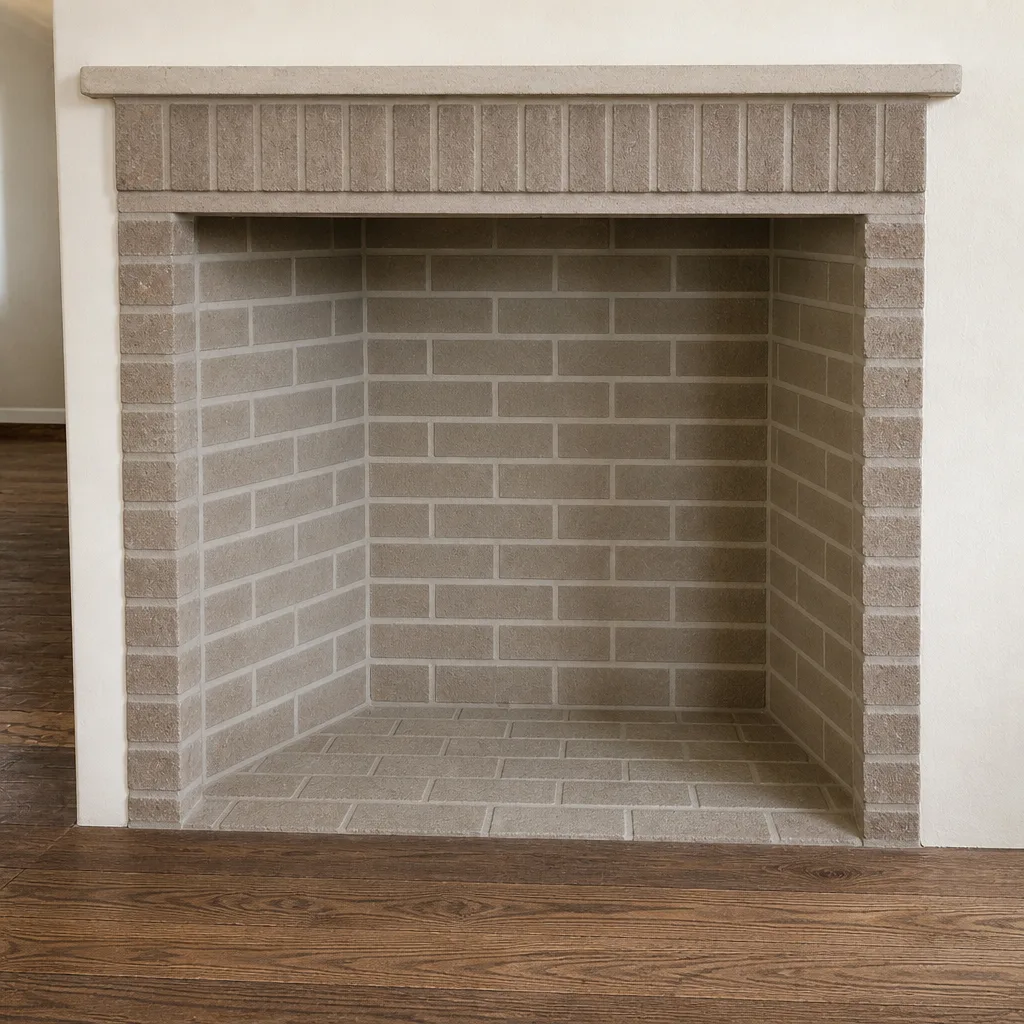
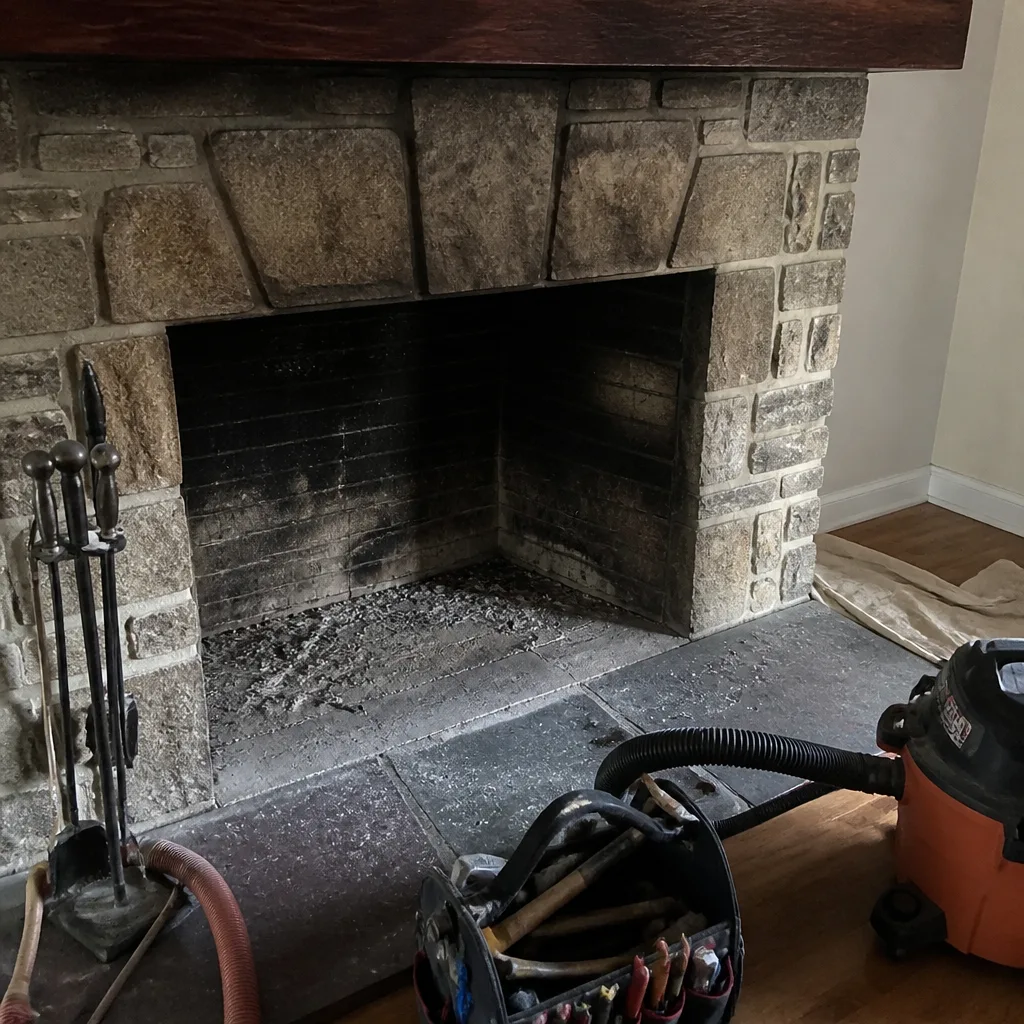
See the difference
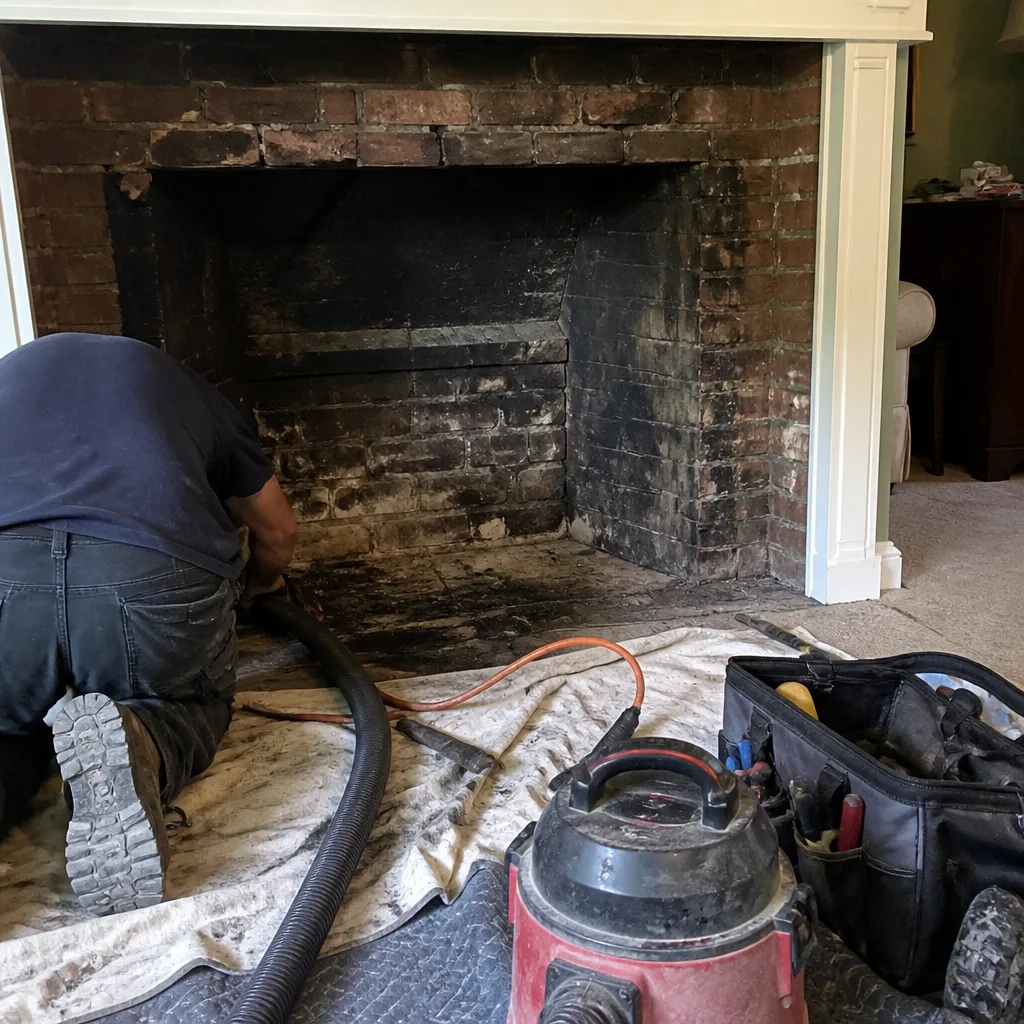 Before
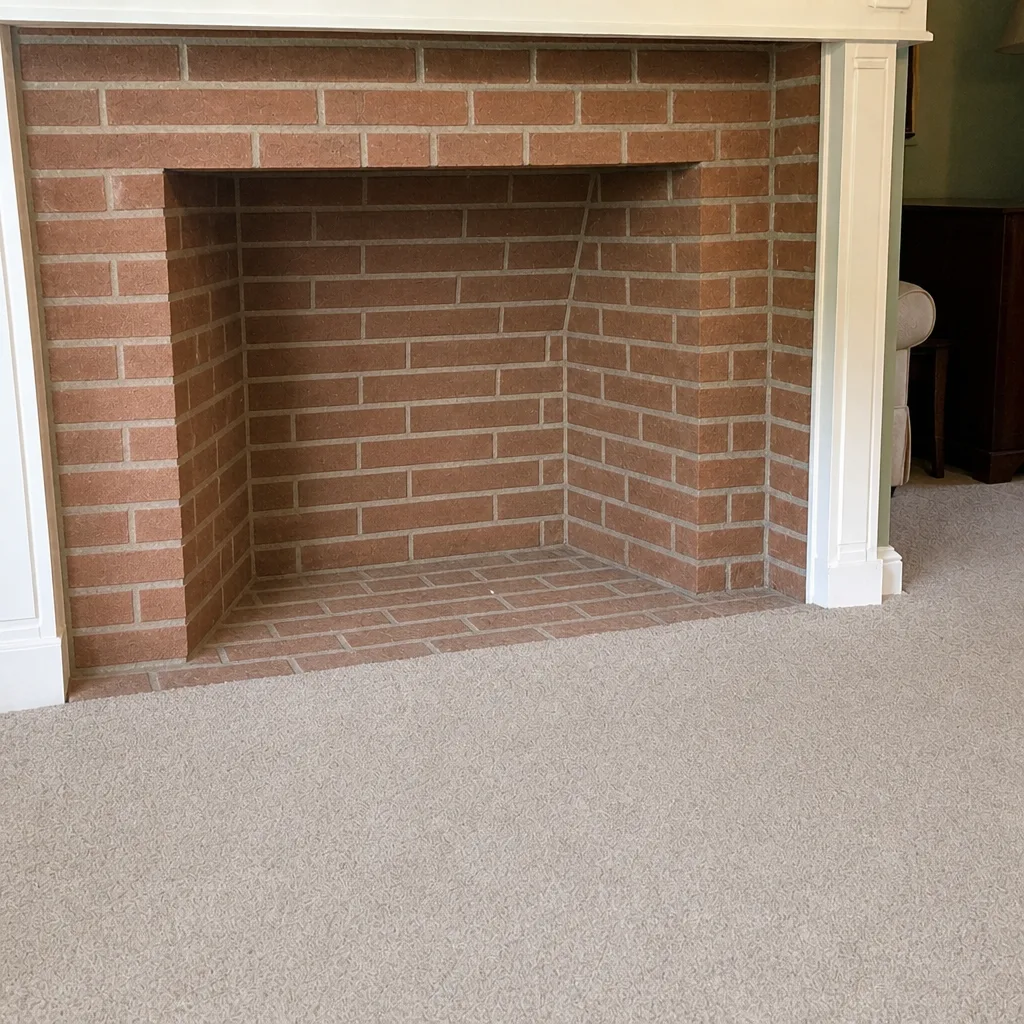 After
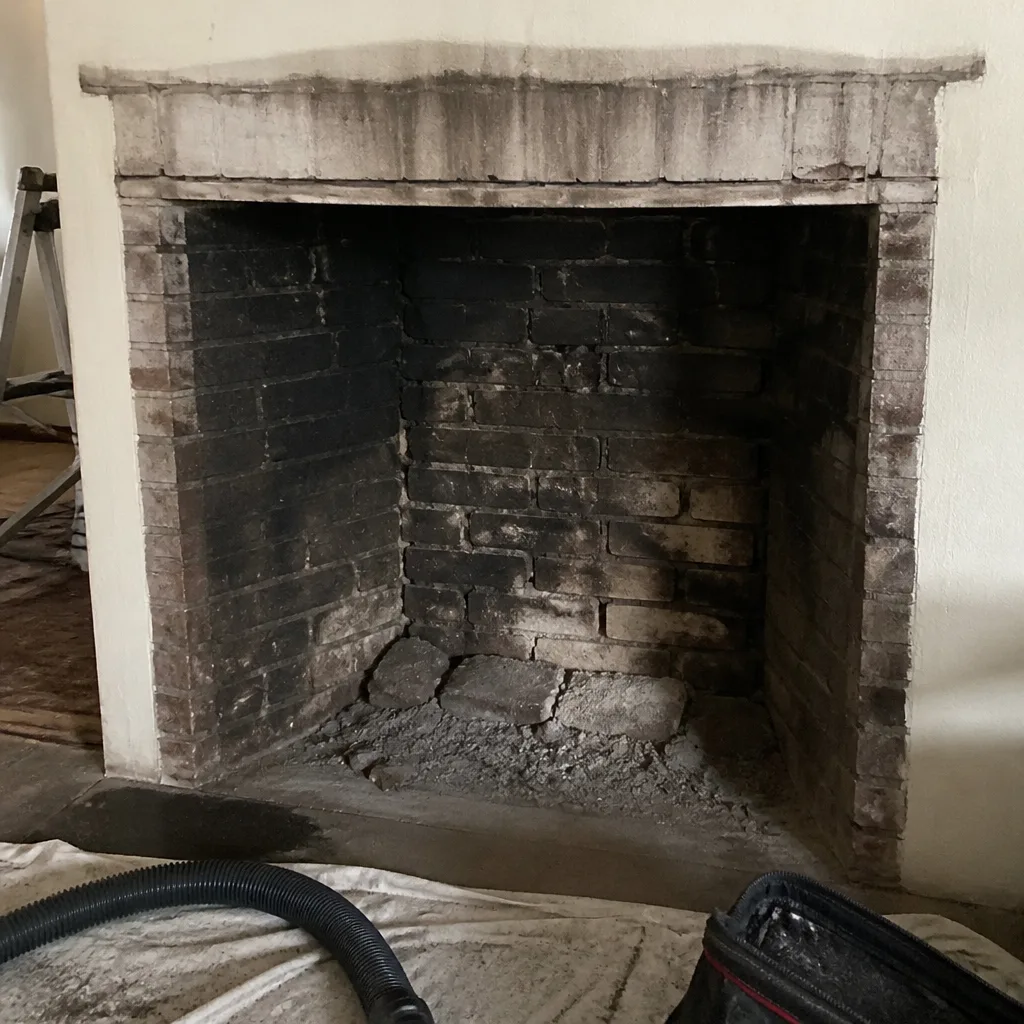 Before
 After
 Before
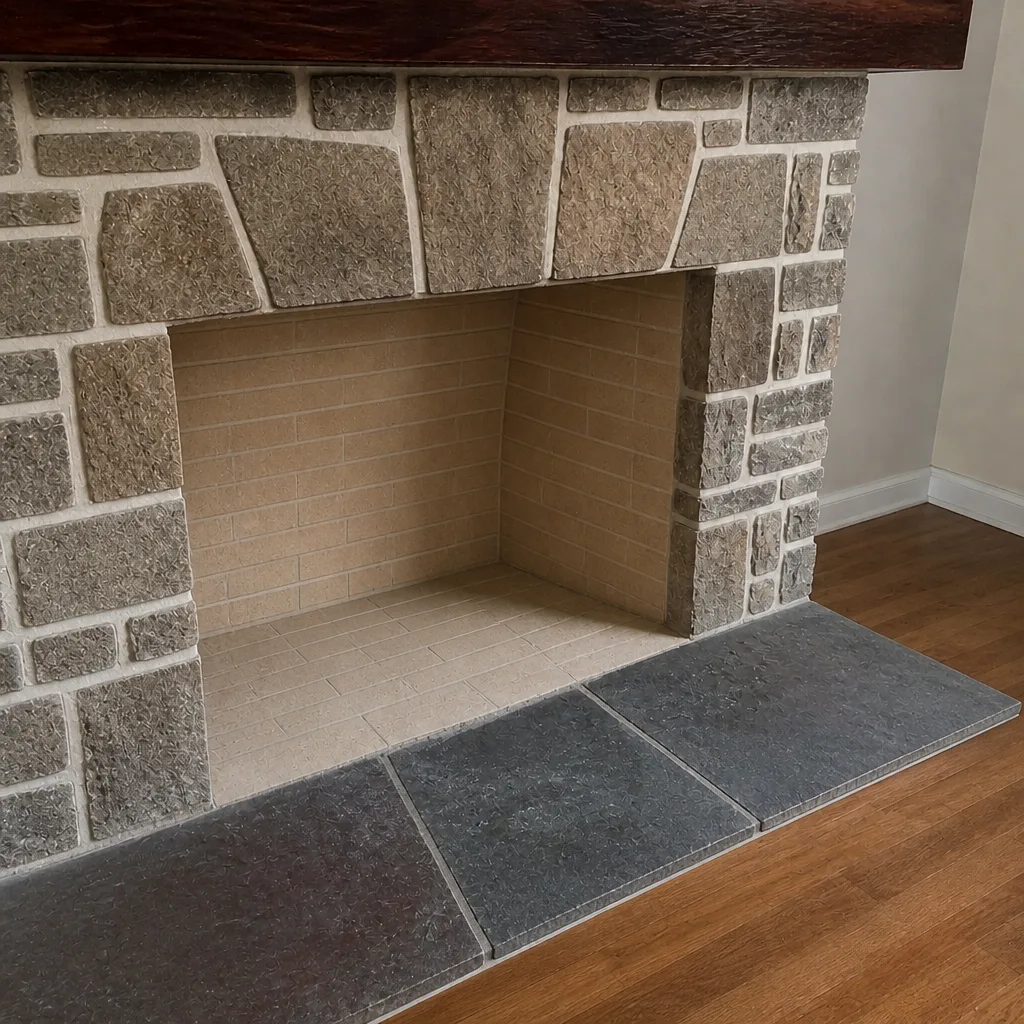 After
Common Mistakes to Avoid
- Letting a sweep use a consumer brush kit on a glazed flue. Hardware-store kits are designed for gentle use, not for glazed creosote, and they’ll leave deposits that cause draft problems later.
- Accepting a liner install without seeing a UL 1777 listing. If the manufacturer’s documentation isn’t available, the listing doesn’t exist for your purposes.
- Letting someone parge the smoke chamber with generic refractory cement. The material can’t handle the thermal cycling, and it fails within a few heating seasons.
- Sealing brick with a surface sealer instead of a penetrating repellent. In Fox Chase’s freeze-thaw climate, that traps moisture and accelerates spalling.
- Booking a sweep who can’t show you a camera inspection report. Without seeing what’s inside the flue, any recommendation is guesswork.
- Treating a brand name on a flyer as proof of anything. Ask what the brand does for your chimney, and trust the explanation over the logo.
- Skipping the crown inspection because the chimney “looks fine” from the ground. Crown cracks are invisible from the yard and are the most common cause of chimney water damage.
When to Call a Professional
Call a professional the moment you notice creosote buildup at the flue top, a smoky fireplace that used to draft cleanly, water stains on the chimney breast, or a crown that’s visibly cracking. In Fox Chase, the seasonal call is usually in late summer or early fall, before the first sustained fires of the season, but there’s no bad time to get a sweep scheduled. Book a sweep after any chimney fire, even a small one, and before using a fireplace that hasn’t been inspected since you moved in. If you’re buying a home with a fireplace and no recent documentation, that’s a call too. Chimney Sweep Fox Chase offers free estimates in Fox Chase – call (844) 526-7704. We answer 24/7. Fast dispatch from 7am to 7pm, Sunday through Friday.
Frequently Asked Questions
Yes, mostly in how thoroughly they clean and whether they damage the liner. Professional brushes from Rutland, Gardus, and Copperfield use stiffer rods and higher-rated bristles that reach glazed creosote consumer kits leave behind. The difference shows up as draft performance and fire safety, not cosmetics.
These brands publish UL 1777 listings, full alloy and temperature ratings, and transferable manufacturer warranties, which generic flex liner often doesn’t. The ratings matter more in a climate with sustained winter fires like Fox Chase’s, where liners get heat-cycled continuously for months. If you’re being offered a reline, ask for the manufacturer documentation before agreeing to anything. Call (844) 526-7704 for an exact quote – estimates are free.
HeatShield is a ceramic coating formulated specifically for the high-heat, high-draft environment of a smoke chamber, and it requires trained application. Generic refractory cement isn’t designed for that environment, sets brittle, and tends to crack and spall within a few heating seasons. The difference is invisible at job completion but obvious two winters later. Call (844) 526-7704 for an exact quote – estimates are free.
Penetrating repellents like ChimneySaver are right for brick, and surface sealers like CrownCoat are right for crown repairs where there are cracks to bridge. Fox Chase’s freeze-thaw cycles make the choice matter; the wrong product traps moisture and accelerates damage. A sweep who can’t explain which one applies to your chimney is not the sweep you want. Call (844) 526-7704 for an exact quote – estimates are free.
No. Smoke chamber condition is only visible from inside the flue or with a camera inspection, and you should see the footage before any repair is recommended. If a contractor quotes smoke chamber work without showing you camera evidence, ask for it before signing anything. Call (844) 526-7704 for an exact quote – estimates are free.
The answer comes from inspection, not from a product catalog. A proper inspection identifies flue type, liner condition, smoke chamber condition, and crown status, and the material choices follow from that. If you book a sweep in Fox Chase, the inspector should walk you through what they found and explain why each recommended product fits that specific finding.
The Bottom Line
The brands a chimney contractor uses tell you what they know and how they work. Professional brushes, UL-listed liners, HeatShield ceramic resurfacing, and the right crown sealer for a masonry climate are all signals that the contractor understands material specifications and is doing the job to trade standard. Generic substitutes and hardware-store patches are signals that they’re not. You don’t need to memorize product lines to use this, only to ask what they’re using and why. Fox Chase homeowners who do that tend to end up with chimneys that last. As always, ask for camera evidence, get it in writing, and hold the contractor to the materials.
Contact Chimney Sweep Fox Chase today. We handle the full chimney service range in Fox Chase, from routine sweeping through liner installation and rebuild work, with the professional-grade brands tradespeople actually trust. Call (844) 526-7704 for a free estimate. We answer 24/7. Fast dispatch from 7am to 7pm, Sunday through Friday.
Written by the team at Chimney Sweep Fox Chase.